Artistic clothing examples that redefine streetwear style
TL;DR:
- True artistic clothing communicates a concept through unusual materials, craftsmanship, and symbolism.
- Avant-garde streetwear brands prioritize vision over hype, using sculptural forms and deconstructed details.
- Personal, meaningful pieces blended with basics create authentic, sustainable artistic style.
Finding clothing that genuinely reflects who you are is getting harder. Fast fashion floods the market with trend-chasing knockoffs, and what felt bold last season is already on every rack at the mall. Real artistic clothing, the kind that carries a concept, a story, or a visual language all its own, takes more than a logo or a limited drop. This guide walks you through what separates truly creative pieces from the noise, spotlights the designers and brands pushing streetwear into fine art territory, and gives you practical tools to build a wardrobe that actually says something.
Table of Contents
- How to spot true artistic clothing: Criteria that matter
- Avant-garde streetwear icons: Visual examples and brand spotlights
- Remixed classics: The art of subtle transformation
- Wearable art: Garments as literal canvases
- Our take: Why true artistic style is about more than shock value
- Discover your next artistic statement piece
- Frequently asked questions
Key Takeaways
| Point | Details |
|---|---|
| Spot the real artistry | True artistic clothing stands out through original concepts and inventive techniques, not mere trends. |
| Explore bold examples | Iconic and rising streetwear brands push fashion boundaries with statement silhouettes and innovative materials. |
| Subtle changes matter | Even a small remix, like Abloh’s 3 percent rule, can turn classics into wearable art. |
| Balance creativity | Blend one avant-garde piece with trusted basics for expressive yet everyday style. |
How to spot true artistic clothing: Criteria that matter
Not every piece with a graphic print or an unusual cut qualifies as artistic clothing. True artistry in fashion starts with intent. The designer or maker is trying to communicate something, not just sell units. Once you understand that distinction, evaluating any piece becomes much easier.
Here are five criteria worth checking before you invest in something you want to call genuinely artistic:
- Unusual materials or construction techniques: Think hand-stitched panels, upcycled textiles, or industrial materials like rubber and coated nylon used in unexpected ways.
- Hand-finished or one-of-a-kind details: Machine perfection is the enemy of art. Look for visible irregularities that signal human touch.
- Conceptual silhouette: Does the shape of the garment itself say something? Exaggerated shoulders, asymmetric hems, or volume that defies function are all signals.
- Limited production: Scarcity is not just a marketing trick. Smaller runs often mean more attention per piece and less compromise on vision.
- Narrative or symbolism: The best artistic pieces carry a meaning you can read into. Imagery, text, or construction choices that reference something larger than the garment itself.
One important warning: avant-garde risks going mainstream through trickle-down commercialization, which dilutes the shock value that made those elements powerful in the first place. Asymmetric hems are a perfect example. Once a signature of boundary-pushing designers, they now appear in every high-street chain. When a technique becomes ubiquitous, it stops being a statement.
“True artistry in fashion requires resisting the pull of commercialization. The moment a concept becomes comfortable, it loses its edge.”
This is why understanding the features of visionary streetwear matters so much before you shop. Knowing the difference between a piece that was designed with a concept versus one that borrowed a concept keeps your wardrobe honest.
Pro Tip: When evaluating a piece, ask yourself: would this garment make sense in a gallery? If the answer is yes, and you can still wear it on the street, you are looking at something genuinely artistic.
Avant-garde streetwear icons: Visual examples and brand spotlights
Now that you know what to look for, here are the creative labels and looks that inspire real style innovation. These brands have built reputations not just for clothes, but for ideas.
| Brand | Signature artistic element | Why it matters |
|---|---|---|
| Rick Owens | Draped, asymmetric silhouettes in muted earth tones | Redefined masculine fashion with sculptural, almost gothic construction |
| A-COLD-WALL* | Industrial materials, class commentary through design | Merges sociology and fashion into wearable critique |
| Hood By Air | Deconstructed tailoring, queer identity as visual language | Challenged gender norms in streetwear before it was widely discussed |
| Comme des Garçons | Abstract shapes, anti-fashion proportions | Proved that clothing could function as conceptual art |
What these brands share is a commitment to inspirational streetwear brands that prioritize vision over volume. Their pieces become collector favorites not because of hype alone, but because they hold meaning over time.
Streetwear enthusiasts today are pulling from this lineage, adopting avant-garde elements like oversized silhouettes, monochromatic palettes, deconstructed hoodies, and tactical fabrics like nylon or rubber into everyday fits. The key is knowing how to use those elements without letting them wear you.
Some specific features worth knowing:
- Frayed or raw edges: Signal intentional deconstruction, not poor quality
- Drop-crotch cuts: Challenge traditional tailoring proportions
- Tactical fabrics: Nylon, rubber, and coated canvas bring utility into art
- Tonal layering: Monochromatic outfits let silhouette do the talking
Shayne Oliver of Hood By Air is a strong example of how a single designer can build cult followings in streetwear by staying uncompromising. His work shows that artistic clothing is not about being wearable in a conventional sense. It is about being unforgettable. You can also explore urban fashion labels making similar moves in 2026.
Pro Tip: When styling a dramatic avant-garde piece, let it be the only statement. Pair a sculptural jacket or oversized deconstructed hoodie with clean, simple basics underneath. One loud piece per outfit is a rule that rarely fails.
Remixed classics: The art of subtle transformation
Beyond bold looks, some artists use a much subtler approach, remixing classics with clever detail. Nobody understood this better than Virgil Abloh, whose 3% rule methodology involved altering existing designs by just 3% to create entirely new artistic statements. A quotation mark around a Nike Swoosh. A zip tie left dangling. A font change on a familiar logo. Small shifts, massive cultural impact.
Here is how classic pieces compare to their remixed counterparts:
| Classic piece | Remixed version | What changed |
|---|---|---|
| White Air Force 1 | Off-White x Nike collaboration | Deconstructed tongue, text overlays, exposed foam |
| Basic crewneck sweatshirt | Deconstructed seam version | Exposed stitching, reversed construction |
| Standard denim jacket | Hand-painted art edition | Artist-applied imagery, one-of-a-kind finish |
| Plain tee | Reconstructed patchwork tee | Mixed fabrics, visible repair as design |
The 3% rule is also a practical tool for anyone who wants to make their own artistic clothing without starting from scratch. Here is how to apply it yourself:
- Start with a thrifted or basic piece you already own.
- Identify one element you can change: a collar, a hem, a pocket, a print.
- Make one deliberate alteration, not several. Focus creates impact.
- Use the alteration to say something. A patch, a stitch, a paint stroke should mean something to you.
- Wear it and observe how people respond. Artistic clothing creates conversation.
This approach connects directly to the broader streetwear trends shaping 2026, where personalization and remix culture are driving the most interesting looks. The best part is that this method is accessible at any budget.
Wearable art: Garments as literal canvases
If you crave the most boundary-pushing statements, some designers turn garments into outright art. This is where fashion stops being about dressing and starts being about presence.
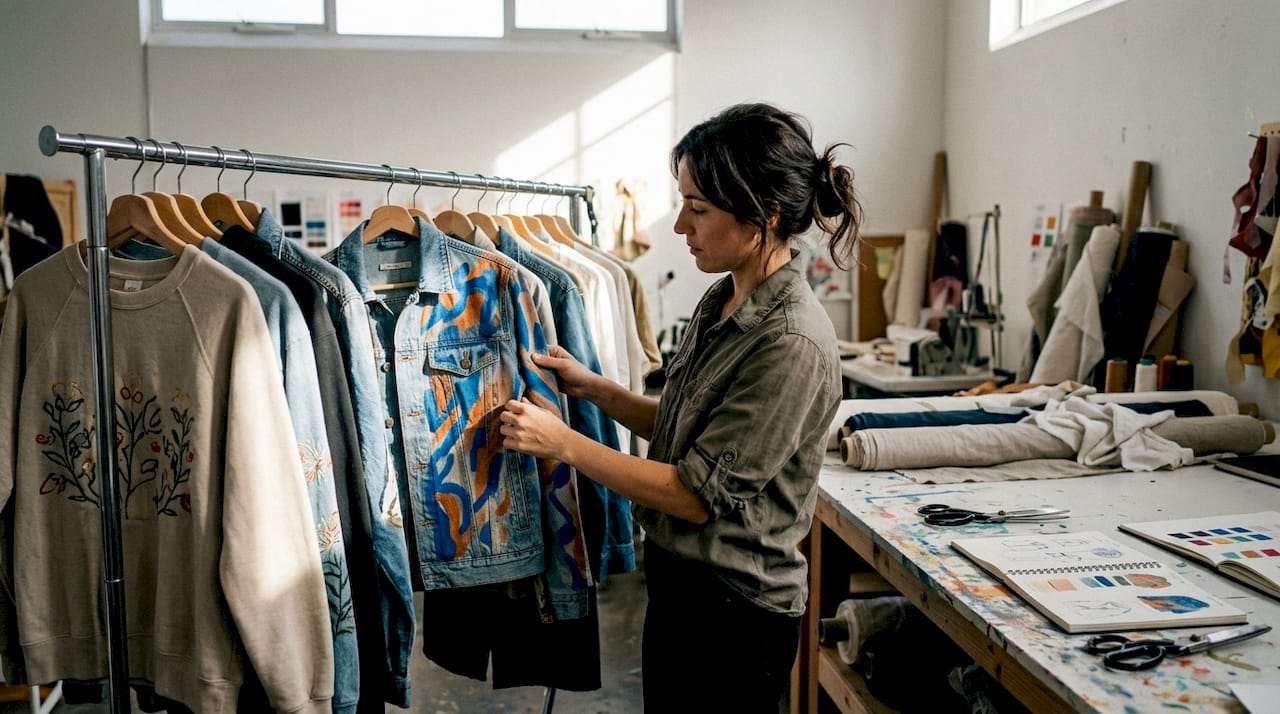
Harry Pontefract’s label Ponte is the clearest current example. His craft-based manipulations include tugged wool lumps on tulle and cascading plastic grapes attached to garments, treating clothes as abstract sculpture rather than functional wear. The spring/summer 2026 collection pushed this further, making each piece feel closer to an installation than an outfit.
Signature techniques in this category include:
- Sculptural add-ons: Three-dimensional elements attached to fabric that change the garment’s form
- Textile manipulation: Pleating, gathering, burning, or stretching fabric to create texture that cannot be replicated
- Unexpected materials: Plastic, wire, resin, and found objects incorporated into wearable pieces
- Deliberate fragility: Pieces that look like they might not survive a second wear, which makes them feel precious
“Artistic fashion is not about whether you can wear it to the grocery store. It is about whether wearing it changes how you feel about yourself.”
The challenge with wearable art is making it work in daily life. The answer is context and contrast. One sculptural piece, like a jacket with three-dimensional textile work or a top with structural add-ons, lands much harder when the rest of your outfit is stripped back. Explore how artistic fashion labels are making this balance work in 2026 for more inspiration.
Wear the art piece. Let everything else be the frame.
Our take: Why true artistic style is about more than shock value
With all these bold options, here is a grounded perspective on making artistic clothing choices that actually resonate. We have watched enough trends cycle through to say this clearly: shock for shock’s sake has a very short shelf life.
The pieces that hold up are the ones tied to something personal. A deconstructed hoodie means more when you chose it because deconstruction reflects how you see the world, not because it was trending on social media last week. Most head-turning pieces lose their authenticity the moment the masses adopt them, and that happens faster than ever now.
Our actual advice is simple. Pick one artistic piece that genuinely speaks to you. Blend it with reliable basics. Let that one piece carry the weight. Blending one avant-garde piece with streetwear basics gives you wearable creativity without requiring full commitment to a look that might not feel like you tomorrow.
Sustainable personal style is built from meaning, not momentum. Experiment boldly, whether that means a sculptural jacket or a subtly remixed tee, but stay honest about what actually reflects your creative identity. For more practical guidance, the urban fashion styling tips on our blog break down how to make this work in real outfits.
Discover your next artistic statement piece
Ready to move from inspiration to action? At ELEDOasis, we curate pieces built for people who take their style seriously. Every drop is designed to make a statement without sacrificing wearability.
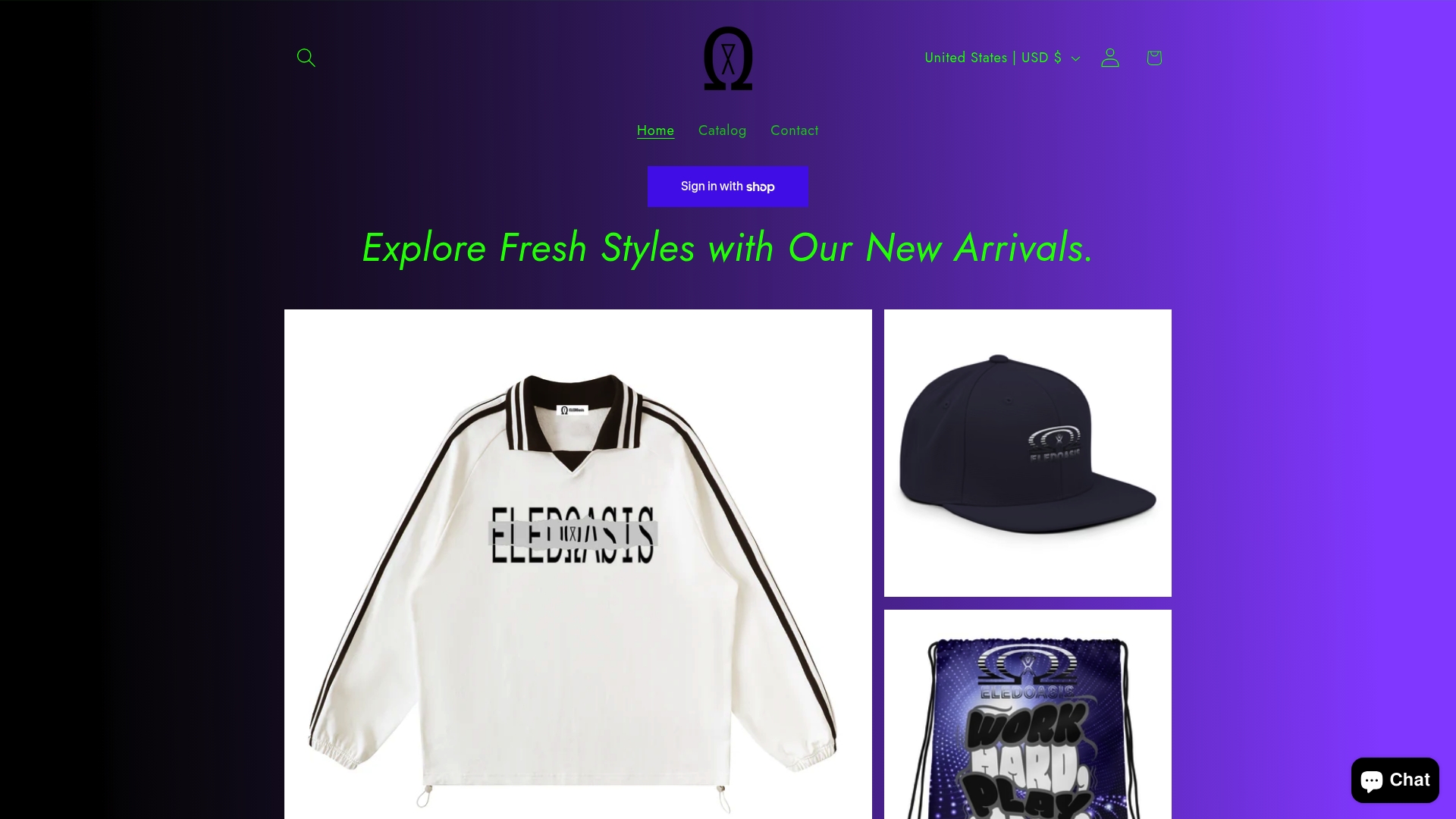
Start with the Wonder casual sweats, a piece that brings artistic intention into everyday comfort. If you want something with more edge, the Greed urban sweatpants deliver bold urban energy with premium construction. For a foundational piece that still says something, the Consistency and Progress tee carries a message worth wearing. These are not fast fashion fillers. They are starting points for a wardrobe built around creative identity.
Frequently asked questions
What makes clothing ‘artistic’ versus just trendy?
Artistic clothing is defined by original design concepts, unconventional materials or methods, and an intent to express creativity rather than follow trends. Avant-garde elements like deconstructed hoodies and tactical fabrics signal artistic intent when used with purpose, not just for aesthetics.
How can I wear artistic clothing without looking out of place?
Pair one bold, avant-garde piece with core streetwear basics to balance creativity with approachability. Blending one statement piece with simple foundational items keeps the look grounded and wearable.
Are artistic streetwear brands only for luxury budgets?
Not at all. While some pieces carry high-end price tags, creative remixing and DIY adjustments let you build artistic streetwear at any budget. Virgil Abloh’s 3% rule proves that small, deliberate changes to affordable pieces can carry serious artistic weight.
What are the risks of buying ‘statement’ pieces?
Statement pieces can lose their unique value quickly when they go mainstream, so focus on pieces with personal meaning over pure novelty. Avant-garde elements going mainstream through commercialization is a real pattern, which is why authenticity matters more than trend alignment.
Recommended
- Guide to Artistic Streetwear: Elevate Your Unique Style – ELEDOasis
- 7 Art-Inspired Clothing Examples to Elevate Your Style – ELEDOasis
- 7 Essential Types of Streetwear Styles for Creatives – ELEDOasis
- 7 Bold Examples of Fashion Statements to Inspire You – ELEDOasis
- Exprimer sa personnalité avec les vêtements : guide créatif – EST.L Shop
- Luxury Hustle – Vibrant Pop Art Graffiti