Youth Fashion Trends: Shaping Identity in 2026
Streetwear is no longer just a look, it has become the voice of individual expression for young adults from New York to Tokyo. Fashion in 2026 delivers bold styles and vivid narratives, pushing past boundaries with technological innovation and global connectivity. If you crave clothing that speaks for you, this article will break down the most exciting trends and show how youth fashion shapes self-identity and inspires creative confidence.
Table of Contents
- Defining Youth Fashion Trends Today
- Types of Youth Fashion: Streetwear and Beyond
- Key Characteristics of Modern Trends
- How Youth Trends Influence Identity
- Common Pitfalls in Following Trends
Key Takeaways
| Point | Details |
|---|---|
| Embrace Personal Storytelling | View fashion as a medium for personal expression and identity rather than just a way to dress. |
| Explore Diverse Styles | Experiment with various fashion categories to discover and communicate your authentic self. |
| Critically Evaluate Trends | Avoid mindless trend-following by selecting styles that align with your values and comfort. |
| Harness Digital Tools | Use technological advancements to enhance creativity and personalization in your fashion choices. |
Defining Youth Fashion Trends Today
The youth fashion landscape in 2026 represents more than just clothing - it’s a dynamic canvas of personal expression and cultural identity. Fashion industry insights reveal a transformative era where traditional boundaries between style, technology, and personal narrative are rapidly dissolving.
Today’s youth fashion trends reflect a complex ecosystem characterized by several key dynamics:
- Global connectivity enabling instant trend transmission
- Technological integration reshaping design and consumption
- Sustainability as a non-negotiable design principle
- Personal storytelling through individualized fashion choices
The emerging fashion paradigm goes beyond aesthetic preferences, becoming a powerful medium for social communication. Young consumers are increasingly viewing clothing as a form of personal branding, using street fashion styles to articulate their unique perspectives and cultural affiliations.
Fashion in 2026 is less about following trends and more about creating personal narratives through strategic style choices.
Technological disruptions are fundamentally reshaping how fashion is conceived, designed, and consumed. Artificial intelligence, augmented reality, and digital customization tools are empowering young designers and consumers to experiment with unprecedented levels of creativity and personalization.
Pro tip: Embrace fashion as a form of personal storytelling, not just a way of dressing.
Types of Youth Fashion: Streetwear and Beyond
Youth fashion in 2026 extends far beyond traditional streetwear, representing a complex tapestry of style categories that reflect individual identity and cultural expression. Fashion design forecasts reveal a nuanced landscape of fashion types that challenge conventional style boundaries.
The primary youth fashion categories emerging in 2026 include:
- Casual Streetwear: Relaxed, urban-inspired aesthetics
- Smart Tailoring: Structured yet adaptive clothing designs
- Jersey Tech: High-performance urban looks with innovative textiles
- Artistic Expression: Styles that blend personal narrative with fashion
- Sporty Adaptive: Performance-driven clothing with versatile functionality
Beyond traditional streetwear, young fashion enthusiasts are exploring more sophisticated and multidimensional style expressions. Street fashion trends demonstrate a shift toward clothing that communicates complex personal and cultural identities, moving far beyond simple aesthetic choices.
Contemporary youth fashion is less about following trends and more about creating a personal visual language through strategic style selections.
Emergent fashion types like Poet-Core and Guardian Design illustrate how young consumers are using clothing as a form of personal storytelling, blending artistic sensibilities with protective and functional elements. These styles represent a radical departure from traditional fashion categorizations, emphasizing individual creativity and emotional resonance.
Here’s a comparison of emerging youth fashion types and their unique style influences:
| Style Category | Core Influence | Functional Focus | Typical Audience |
|---|---|---|---|
| Casual Streetwear | Urban culture & comfort | Everyday versatility | City-dwelling youth |
| Smart Tailoring | Professional inspiration | Adaptive fit & structure | Young professionals |
| Jersey Tech | Athletic performance | Innovative fabrics & movement | Sport-inclined youth |
| Artistic Expression | Creative self-representation | Narrative-driven design | Art-focused individuals |
| Sporty Adaptive | Dynamic lifestyles | Mobility & multifunctionality | Active young adults |
| Poet-Core | Emotional storytelling | Expressive layering | Creatives & dreamers |
| Guardian Design | Protective symbolism | Functional safety elements | Socially conscious youth |
Pro tip: Experiment with multiple fashion types to discover your most authentic style expression.
Key Characteristics of Modern Trends
Modern youth fashion trends in 2026 are characterized by a bold, unapologetic approach to self-expression that transcends traditional style boundaries. Fashion trend analysis reveals a transformative landscape where clothing becomes a powerful medium for personal storytelling and cultural commentary.
The defining characteristics of contemporary youth fashion include:
- Maximalist Aesthetics: Exuberant, statement-making styles
- Sculptural Silhouettes: Innovative shape and structural design
- Emotional Storytelling: Clothing that communicates personal narratives
- Color Complexity: Vibrant and nuanced color palettes
- Technological Integration: Smart fabrics and adaptive design
Bold self-expression has become the cornerstone of fashion in 2026, with young consumers rejecting minimalist approaches in favor of more dynamic and meaningful style choices. Fashion forward trends demonstrate a shift towards clothing that serves as a visual language of personal identity.
Contemporary fashion is less about following trends and more about creating a unique visual narrative that reflects individual complexity.
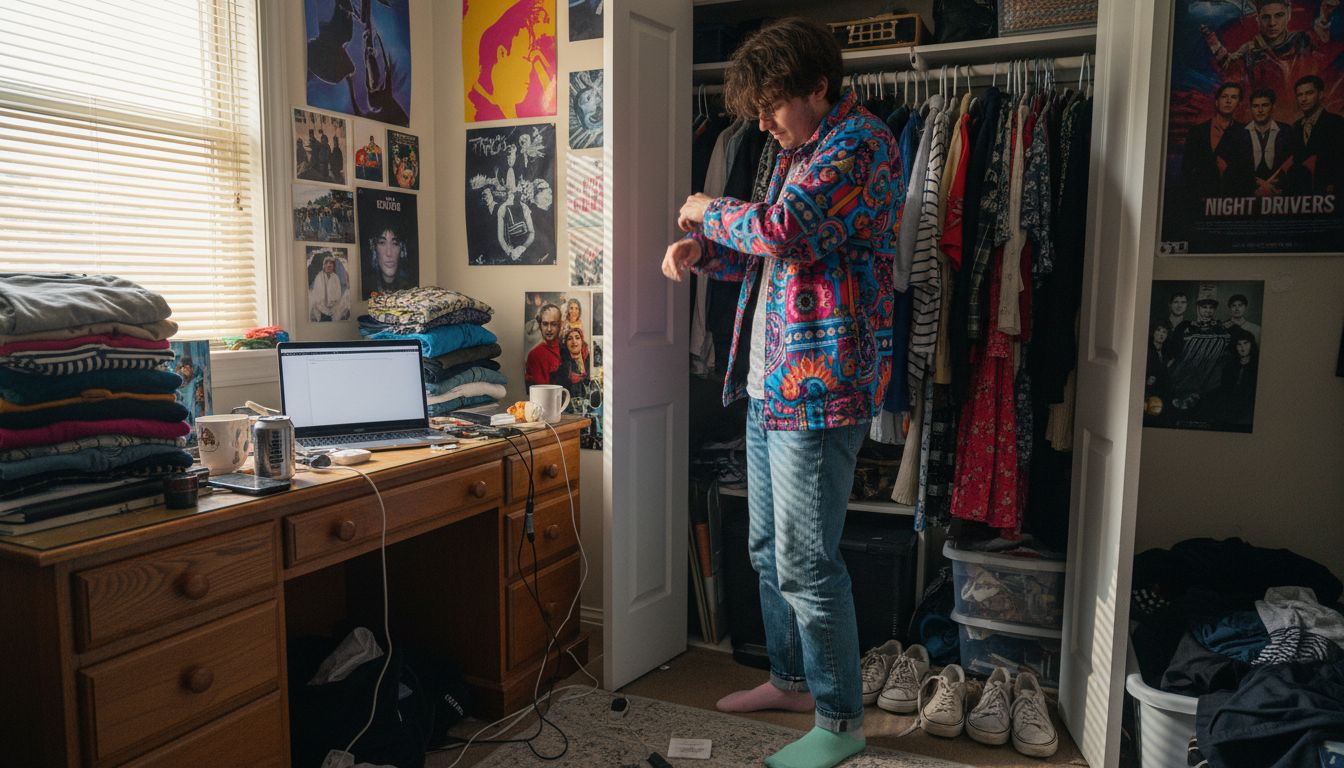
The emerging trend landscape balances romance and structure, incorporating elements like sheer layering, volumetric designs, and thoughtful color selections. This approach reflects a more intentional and sophisticated understanding of fashion as a form of personal and cultural expression.
Pro tip: Build your wardrobe around pieces that tell your personal story, not just current trends.
How Youth Trends Influence Identity
Youth fashion trends have evolved into a powerful mechanism for personal identity construction, transcending mere clothing choices to become a complex form of social communication. Youth identity research reveals how fashion serves as a critical tool for self-expression, social belonging, and psychological development.
Key ways fashion influences youth identity include:
- Self-Perception: Clothing as a mirror of internal emotional states
- Social Signaling: Communicating group affiliations and personal values
- Psychological Empowerment: Building confidence through style choices
- Cultural Navigation: Expressing cultural heritage and individual narratives
- Emotional Armor: Using fashion as protection and personal statement
Digital connectivity has dramatically transformed how young people engage with fashion and identity. Fashion and identity dynamics demonstrate that today’s youth use clothing as a nuanced language of personal storytelling, moving far beyond traditional aesthetic considerations.
Fashion is no longer just about what you wear, but about crafting and communicating your most authentic self.
The intersection of digital innovation and personal style has created unprecedented opportunities for young individuals to experiment with identity. Through carefully curated fashion choices, youth are challenging traditional social narratives, redefining personal boundaries, and creating more fluid, dynamic representations of self.
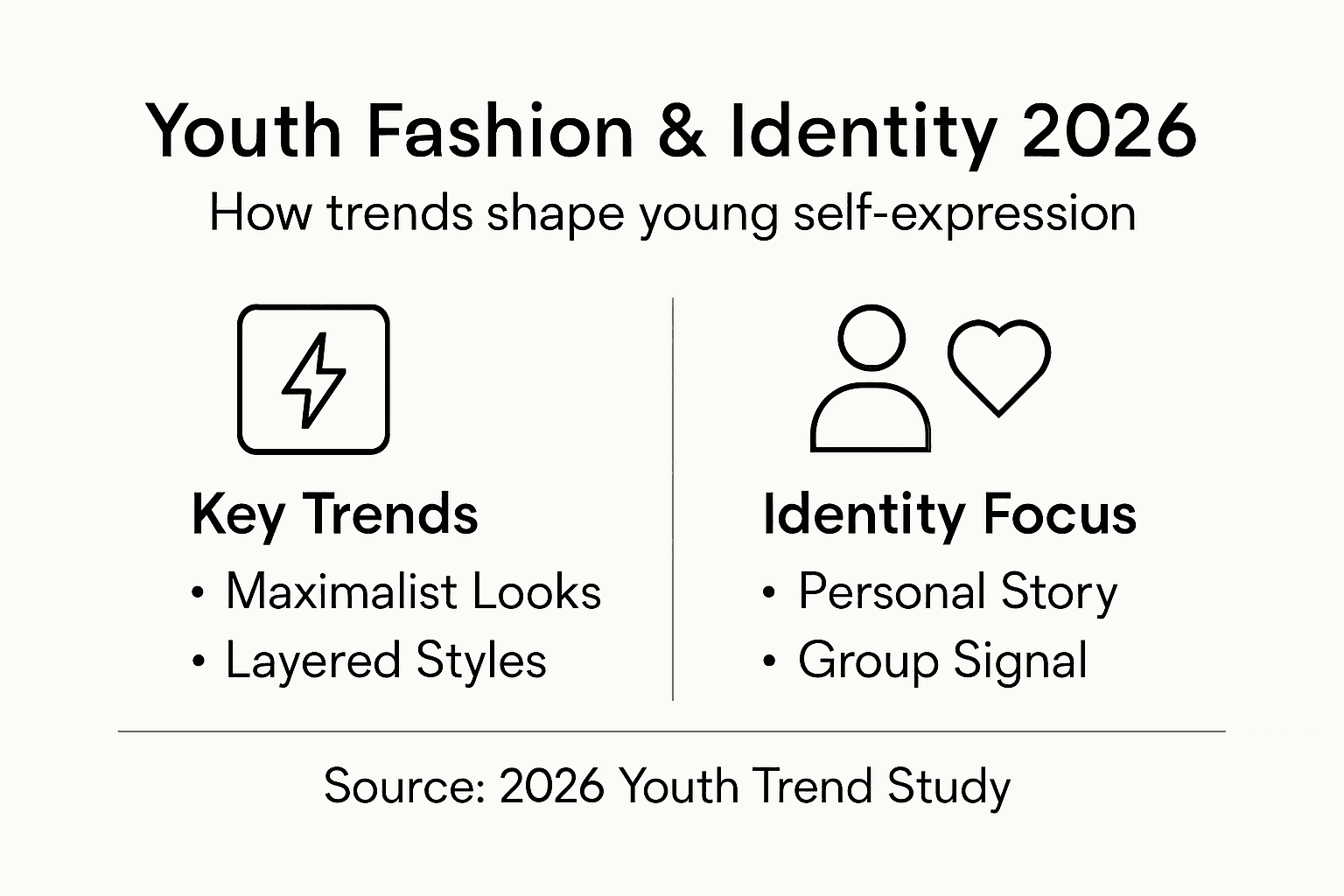
For quick reference, here’s a summary of how youth fashion shapes personal identity:
| Identity Aspect | Fashion’s Role | Typical Outcome |
|---|---|---|
| Self-Perception | Reflects inner feelings | Sharp self-awareness |
| Social Signaling | Communicates group values | Increased peer connections |
| Psychological Empowerment | Boosts confidence | Resilient sense of self |
| Cultural Navigation | Expresses heritage & narrative | Bridging diverse backgrounds |
| Emotional Armor | Provides symbolic protection | Enhanced emotional strength |
Pro tip: Treat your wardrobe as a dynamic canvas for personal narrative, not a static collection of clothes.
Common Pitfalls in Following Trends
Navigating youth fashion trends requires more nuance than simple mimicry, as fashion trend analysis reveals the critical importance of maintaining personal authenticity while exploring contemporary styles.
Common pitfalls in trend following include:
- Blind Conformity: Losing individual identity through trend adherence
- Financial Strain: Overspending to maintain constant style updates
- Comfort Compromise: Selecting uncomfortable clothing for aesthetic appeal
- Inauthentic Expression: Wearing styles that contradict personal values
- Peer Pressure Absorption: Choosing trends solely for social acceptance
Digital trend cycles have accelerated the pace of fashion consumption, creating unprecedented challenges for young consumers. Urban demographic trends demonstrate how smart consumers filter and personalize trends rather than passively consuming them.
True style emerges from understanding trends, not mindlessly following them.
The most sophisticated approach to fashion involves critical selection, where individuals carefully evaluate trends through the lens of personal comfort, lifestyle, and genuine self-expression. This means developing a discerning eye that can appreciate trends without surrendering individual creativity.
Pro tip: Curate your wardrobe with intention, treating trends as suggestions rather than strict rules.
Express Your Unique Identity Through Bold Youth Fashion
Navigating the challenge of expressing your personal story through style can be overwhelming. The article highlights how youth fashion in 2026 is about more than just trends; it is about crafting a personal visual language with bold self-expression and emotional storytelling. If you are seeking apparel that reflects your authentic identity while embracing streetwear culture and innovative style, Eledoasis is your destination for visionary fashion designed to empower individuality.
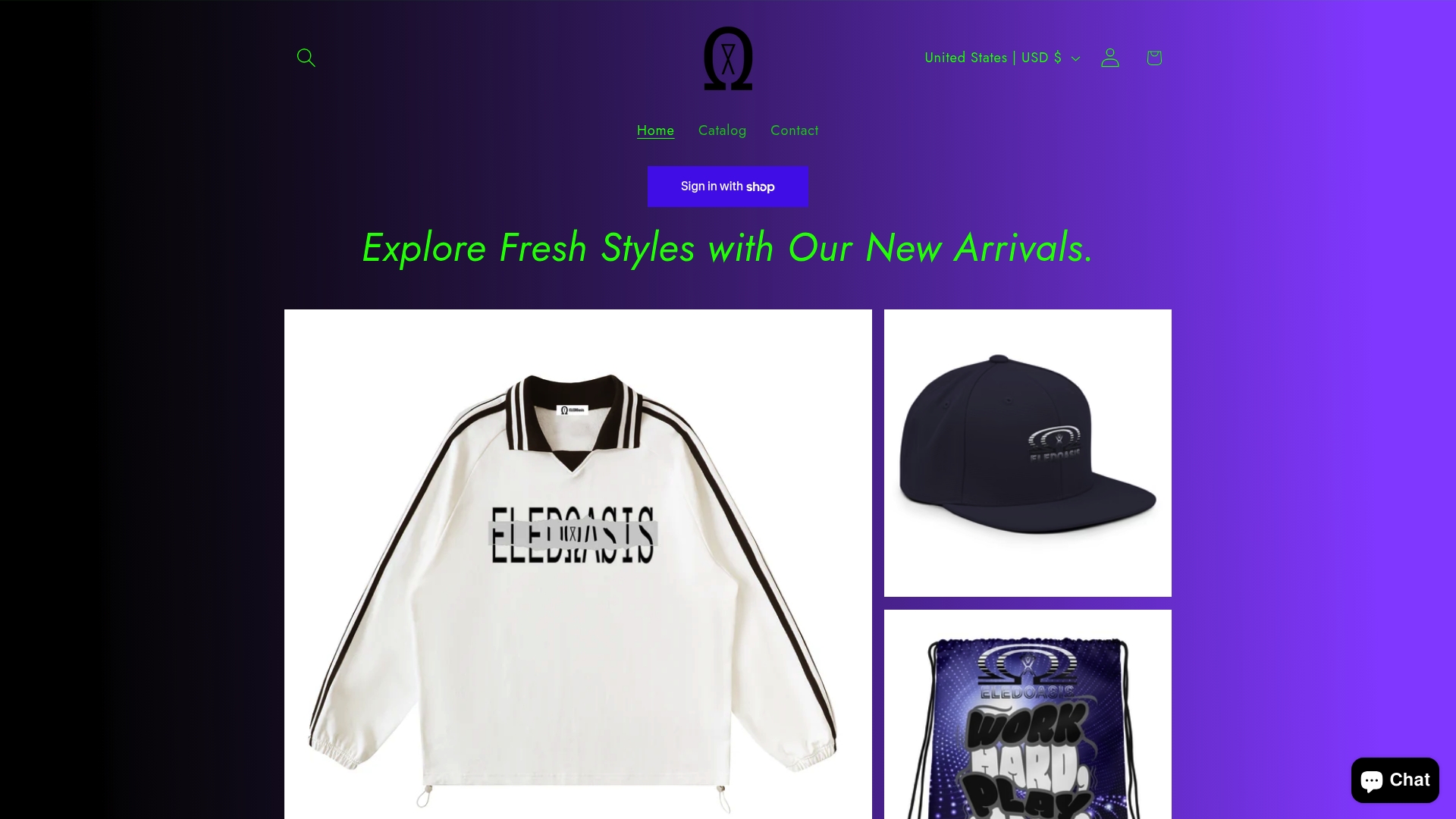
Discover a collection that merges art, symbolism, and personal narrative in pieces curated for young trendsetters. Explore outfit ideas for every occasion – ELEDOasis to find statement-making hoodies, tees, and accessories that elevate your wardrobe and amplify your voice. Act now and redefine your style story with boldness and confidence by visiting our homepage. Your journey to authentic self-expression starts here.
Frequently Asked Questions
What are the key characteristics of modern youth fashion trends in 2026?
Modern youth fashion trends in 2026 emphasize bold self-expression through maximalist aesthetics, sculptural silhouettes, emotional storytelling, vibrant color palettes, and technological integration. These trends focus on clothing as a medium for personal narrative and cultural commentary.
How do youth fashion trends influence personal identity?
Youth fashion trends serve as a mechanism for personal identity construction by reflecting self-perception, signaling group affiliations, empowering psychological confidence, expressing cultural heritage, and offering emotional armor. Fashion choices are a nuanced language through which young people communicate their authentic selves.
What are some emerging types of youth fashion styles in 2026?
Emerging types of youth fashion in 2026 include Casual Streetwear, Smart Tailoring, Jersey Tech, Artistic Expression, Sporty Adaptive, Poet-Core, and Guardian Design. Each style reflects unique influences and functional focuses, catering to diverse personal narratives and lifestyles.
What are some common pitfalls when following fashion trends?
Common pitfalls include blind conformity, financial strain from constant trend updates, compromising comfort for aesthetics, inauthentic expression, and succumbing to peer pressure. Navigating trends requires maintaining personal authenticity and carefully curating a wardrobe that reflects individual values and style.