Fashion and Identity – How Style Shapes You
Choosing what to wear each morning feels less like a routine and more like an act of self-definition for many young creatives. In cities from New York to Seoul, streetwear has become a kind of visual language that speaks before you ever say a word. Fashion operates as a powerful tool for communicating identity and personal values, connecting style to culture, community, and creative expression. If you want your wardrobe to feel true—not just trendy—understanding this connection can help you build a style that stands out and genuinely represents who you are.
Table of Contents
- Defining The Link Between Fashion And Identity
- Streetwear Culture And Personal Expression
- Types Of Self-Expression Through Style
- Key Trends: Bold Designs And Symbolism
- Cultural, Digital, And Social Influences
- Risks, Costs, And What To Avoid
Key Takeaways
| Point | Details |
|---|---|
| Fashion as Identity | Fashion is a powerful medium for self-expression and can influence how you perceive yourself and interact with others. Understanding this can help you make intentional wardrobe choices that reflect your true identity. |
| Streetwear Culture | Streetwear is not just a fashion trend; it is a cultural movement that allows individuals to express their values and creative identities, emphasizing community and personal authenticity. |
| Risks of Fast Fashion | The fast fashion industry has significant environmental and social costs. Opting for quality, ethical brands over cheap alternatives can empower your choices and support sustainable practices. |
| Value of Authenticity | As trends shift towards bold and symbolic designs, prioritize pieces that resonate with your identity and values, allowing for genuine self-expression rather than conforming to fleeting trends. |
Defining the Link Between Fashion and Identity
Fashion is not just about looking good or following trends. It’s fundamentally about expressing who you are and how you see the world. When you pull on a vintage band tee, oversized hoodie, or statement sneakers, you’re sending a message about your values, your interests, and your place in society. This connection between what you wear and who you are runs deeper than most people realize. Your clothing choices function as a visual language that communicates your identity before you ever speak a word.
The relationship between fashion and identity operates on multiple levels. At the most basic level, clothing acts as self-completion, allowing you to fill gaps between who you are and who you want to become. For a young creative in an urban environment, this might mean wearing pieces that signal your artistic sensibilities or your commitment to sustainability. You choose garments that align with your internal sense of self. But here’s where it gets interesting: fashion also works in reverse. The clothes you wear actually shape how you think about yourself. Studies show that wearing certain styles can influence your confidence, your behavior, and even your social interactions. A well-fitted jacket might make you feel more authoritative. Bold streetwear might embolden you to take up more space in a room.
What makes this connection even more complex is how fashion interacts with your broader worldview. How fashion reflects your worldview and identity demonstrates that your style choices communicate your values and beliefs to the world. If you care about ethical production, you might seek out brands that prioritize sustainable manufacturing. If you’re passionate about social justice, you might wear pieces featuring activist messages or symbols. Your fashion choices become a form of active participation in culture rather than passive consumption. This is especially true for Generation Z and young millennials who use clothing as a medium for negotiating identity in digital spaces. The intersection of influencers, social media, and authenticity reveals how your fashion identity gets shaped and shared across platforms like Instagram, TikTok, and Pinterest. The clothes you post become part of your digital narrative.
Understanding this connection gives you real power. When you recognize that fashion shapes identity, you stop viewing clothing as frivolous and start seeing it as a genuine form of self-expression and self-creation. This awareness lets you make intentional choices rather than defaulting to whatever’s popular. You can curate a wardrobe that actually reflects your values and aesthetic vision instead of chasing trends that don’t resonate with you. You can use streetwear, oversized silhouettes, bold colors, and statement pieces strategically to communicate who you are and who you’re becoming. Your style becomes a tool for building confidence and claiming space in the world.
Pro tip: Before buying any new piece, ask yourself whether it reflects your actual identity or an identity you’re trying to perform for others. Authentic style comes from pieces that genuinely speak to who you are right now, not who you think you should be.
Streetwear Culture and Personal Expression
Streetwear isn’t just a fashion category. It’s a cultural movement that emerged from the streets, skate parks, and hip-hop scenes and has become the dominant way young people express themselves globally. Unlike traditional fashion that filters down from high-end designers, streetwear bubbles up from the ground. It comes from what real people are actually wearing, what feels authentic, and what resonates with their lived experiences. When you wear streetwear, you’re not following a designer’s vision from a runway show. You’re participating in a grassroots cultural conversation about identity, creativity, and rebellion against conventional style norms.
At its core, streetwear functions as a form of cultural communication. Streetwear serves as a platform for conveying personality and cultural expression, allowing you to broadcast your values, interests, and aesthetic vision to the world. Think about what your choice of brands communicates. A vintage band hoodie signals something different than a designer luxury piece. An oversized silhouette communicates a different message than tailored fitting. The graphics, logos, and typography you choose all function as a visual dialect within streetwear culture. This is why streetwear consumers’ brand preferences reflect deeper factors like self-identity and personal values. You’re not just buying a product. You’re selecting a vehicle for self-expression that aligns with who you are and how you want to move through the world. For urban creatives, this might mean gravitating toward independent brands, sustainable manufacturers, or labels that reflect socially conscious values. Your choices become a statement about what you stand for.
What makes streetwear particularly powerful for your generation is how it democratizes fashion. You don’t need expensive pieces or access to high-end boutiques to participate authentically. A thrifted vintage tee, custom-painted sneakers, and strategic layering can be just as visually compelling and meaningful as premium designer pieces. This accessibility is why streetwear has become the universal language of youth culture. It’s how you build community with strangers who recognize your aesthetic sensibilities. When you spot someone wearing a piece you respect or a brand you love, there’s an instant connection. Streetwear creates what researchers call “community belonging,” a sense that you’re part of something larger than yourself. You’re signaling to like-minded individuals that you share similar values, creative sensibilities, or cultural references. This is especially true in urban environments and online spaces where subcultures thrive and evolve rapidly. Your Instagram aesthetic, your TikTok outfit rotations, and your in-person streetwear choices all work together to establish your identity within these communities.
The really important thing to understand is that streetwear gives you permission to be experimental. Unlike formal dress codes or corporate fashion, streetwear celebrates mixing unexpected pieces, playing with proportions, and breaking traditional style rules. You can layer oversized pieces with fitted silhouettes. You can combine high and low fashion. You can reference vintage aesthetics alongside contemporary trends. This creative freedom is exactly what attracts young urban creatives to streetwear culture. It’s a space where your personality takes priority over adherence to rigid fashion “rules.” When you approach your wardrobe as a form of creative expression rather than a series of standardized outfits, you’re participating in the core ethos of streetwear. You’re claiming the right to define what looks good on you, what communicates your identity, and how you want to show up in the world.
Pro tip: Build your streetwear foundation around 3-4 versatile neutral pieces you genuinely love, then use bold graphics, statement accessories, and unexpected layering to express different facets of your personality without needing an enormous wardrobe.
Types of Self-Expression Through Style
Self-expression through style isn’t one-size-fits-all. There are multiple ways you can communicate who you are, what you value, and how you see yourself through the clothes you wear. Some people use bold graphic tees and statement pieces to broadcast their interests loudly. Others prefer subtle details, color palettes, and minimalist designs that whisper their identity to anyone paying close attention. Some mix vintage finds with contemporary pieces to create a personal aesthetic that feels authentically theirs. The key is understanding that individuals use fashion to communicate personality, values, and beliefs in diverse ways. There is no correct way to express yourself through style, only the way that works for you.
One fundamental type of self-expression is color psychology. The colors you choose say something about your mood, your personality, and your values. Black conveys sophistication, edge, and seriousness. Bright neon colors signal boldness, playfulness, and a willingness to be noticed. Earth tones communicate groundedness and environmental consciousness. Pastels suggest softness and approachability. By intentionally selecting a color palette that resonates with you, you’re making a statement before anyone even registers the specific pieces you’re wearing. Similarly, your choice of silhouettes matters tremendously. Oversized pieces suggest a laid-back confidence and rejection of traditional tailoring. Fitted clothing can communicate precision and intention. Cropped lengths, high waistlines, and strategic layering all create different visual narratives. Then there’s the dimension of symbolism in fashion choices, where graphic prints, logos, band tees, and patches become literal symbols of your affiliations, interests, and creative pursuits.
Accessories and grooming represent another powerful avenue for self-expression. A single statement necklace, chunky rings, or vintage jewelry can completely shift how an outfit reads. Hats, bags, and footwear choices carry enormous weight in communicating your style identity. Even your approach to grooming and personal presentation sends signals. The way you style your hair, whether you wear makeup, how you maintain your appearance all contribute to your overall aesthetic communication. For many young creatives, accessories are where personality really shines because they’re easier to change, less expensive to experiment with, and allow you to test different identities without major wardrobe overhauls. You might wear a completely neutral outfit but add a bold bag and statement shoes to inject personality. Or you might wear a graphic tee with a pristine, minimalist jacket to balance boldness with restraint. These micro-choices accumulate into a coherent style identity that feels authentically yours.
What makes self-expression through style particularly powerful is that it’s dynamic and context-dependent. Creative self-expression through multiple modalities plays a vital role in identity formation and well-being. Your style doesn’t have to be static or unchanging. You might dress differently for different contexts, moods, or phases of your life. This flexibility is actually a strength, not a weakness. It shows self-awareness and the freedom to express different facets of your personality depending on the situation. On days when you want to feel powerful, you might reach for oversized blazers and bold boots. On days when you want to feel creative and experimental, you might layer unexpected pieces or wear something vintage and unique. On days when you want to feel calm and collected, you might gravitate toward a cohesive color palette and clean lines. All of these are legitimate forms of self-expression. The goal isn’t to develop one fixed style that never changes. The goal is to understand your values, preferences, and personality well enough that whatever you wear communicates something true about who you are in that moment.
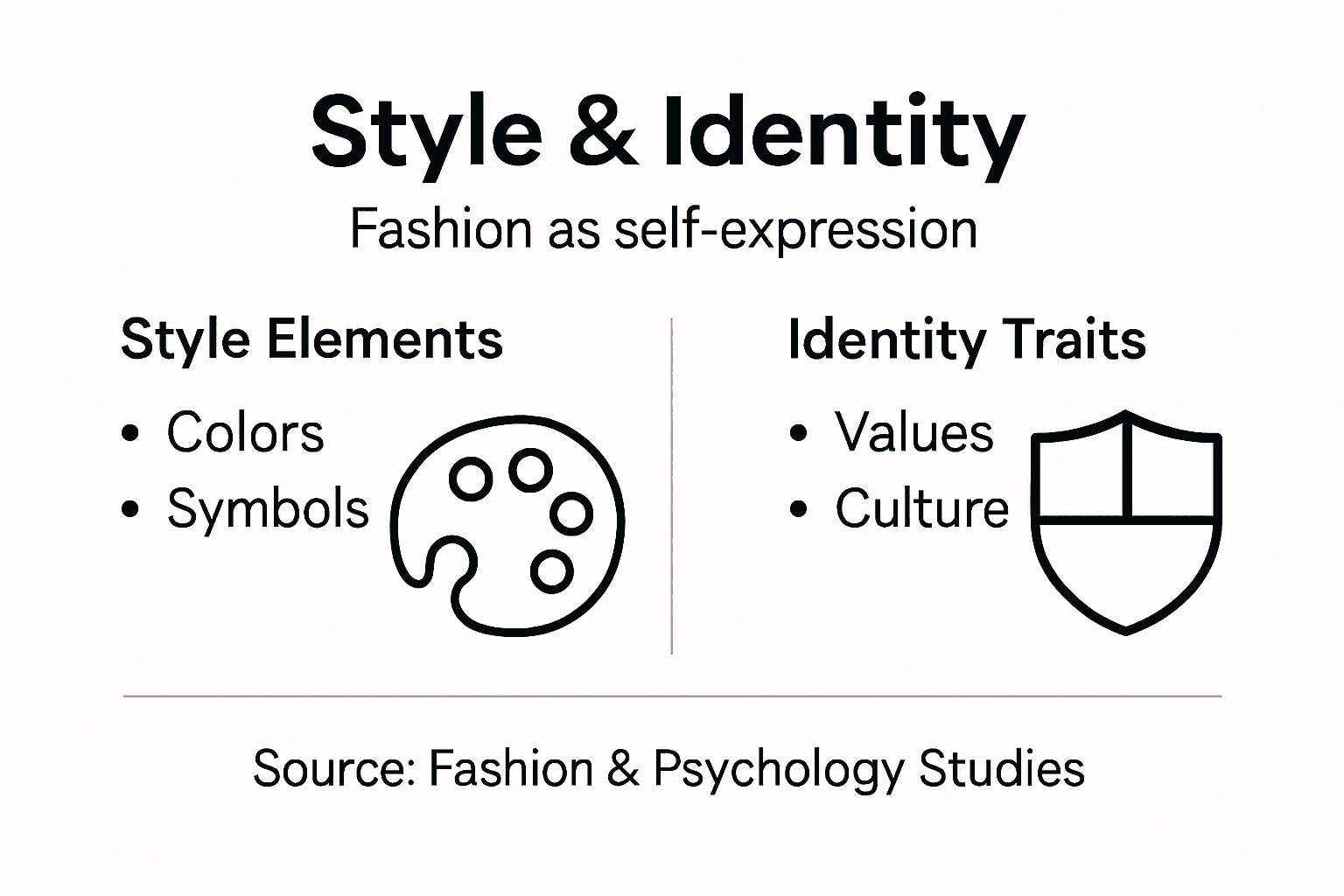
Here’s a comparison of how different style elements communicate aspects of personal identity:
| Style Element | Typical Message Conveyed | Cultural Impact |
|---|---|---|
| Color Palette | Mood, personality, values | Signals belonging or uniqueness |
| Silhouette | Confidence, approachability | Reflects attitude and comfort |
| Graphic Prints/Logos | Interests, affiliations, activism | Connects to communities |
| Accessories | Individual creativity, experimentation | Enables quick self-expression |
Pro tip: Start a personal style mood board by collecting images of outfits, colors, silhouettes, and accessories that make you feel excited or confident, then identify the common threads to discover your authentic style preferences.
Key Trends: Bold Designs and Symbolism
The fashion landscape is shifting dramatically away from the minimalism and neutral palettes that dominated the past decade. Right now, bold is in. Saturated jewel tones like emerald green, sapphire blue, and ruby red are replacing the safe beiges and grays. Oversized typography screams from hoodies and tees. Symbolic imagery carries weight and meaning. This isn’t accidental. Recent design trends emphasize bold, opulent aesthetics reflecting consumers’ desire for individuality and joyful expression. For young creatives, this shift feels liberating. It gives you permission to experiment with colors that make you feel alive, to wear graphics that communicate something meaningful, and to reject the idea that “more” is somehow less sophisticated.
Symbolism in fashion has become increasingly important as a way to communicate identity and values. Bold colors and symbolic logos now represent central fashion trends as consumers favor distinctive designs reflecting cultural narratives. Think about what’s happening in streetwear right now. Logos aren’t just brand identifiers anymore. They’re statements. A patch or embroidered symbol on a jacket or bag says “I belong to this community” or “I support this cause.” Graphics that reference art movements, political statements, or cultural moments become conversation starters. When you wear a piece with meaningful symbolism, you’re instantly communicating your affiliations and values to people who understand the references. This is why art in fashion continues to shape identity and cultural expression in meaningful ways. You’re not just wearing clothes; you’re wearing a visual statement about what matters to you.
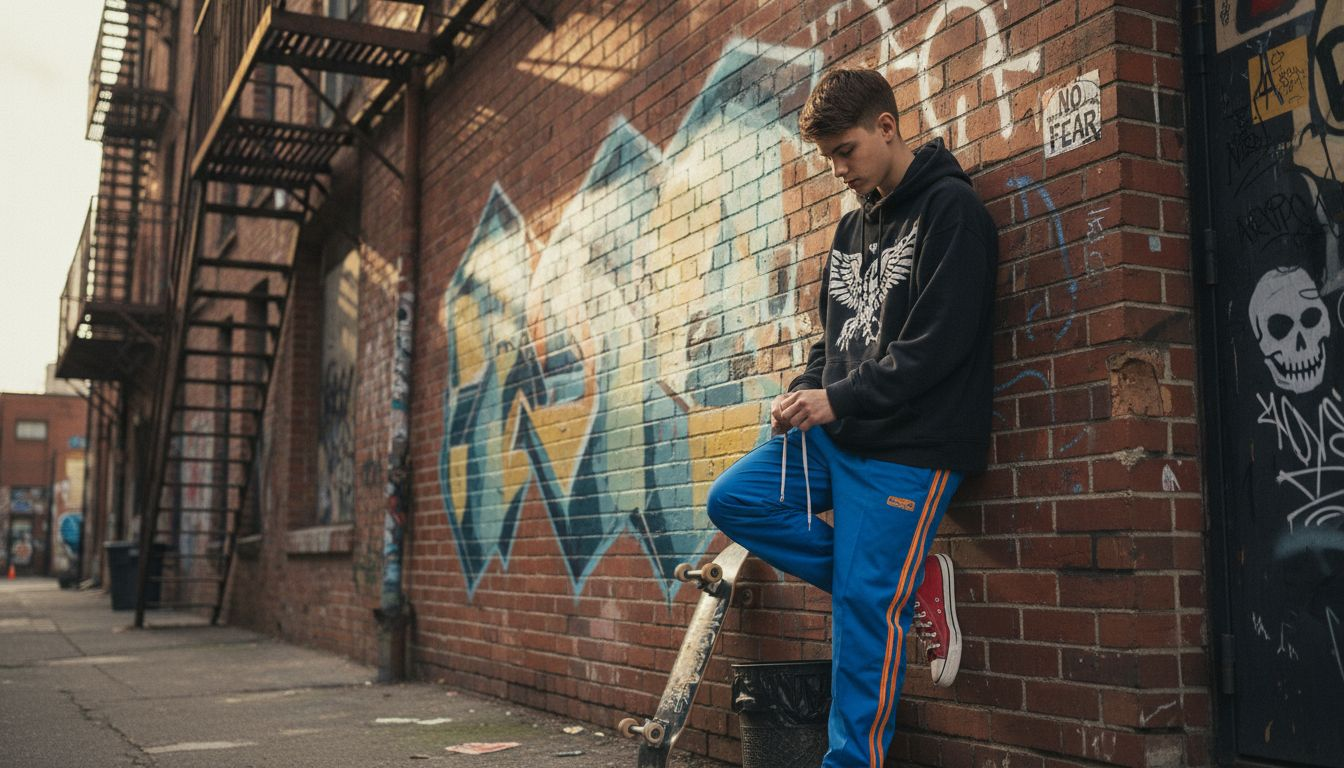
Gender-fluid design is another major trend emerging from this shift toward bold, expressive fashion. The rigid rules about what “men’s” and “women’s” fashion should look like are dissolving. Oversized silhouettes that used to be read as masculine are now worn by everyone. Cropped lengths, traditionally coded as feminine, appear across all gender expressions. Color choices are becoming completely detached from gender norms. Bright pink sits alongside black. Pastels mix with leather and hardware. This fluidity gives you incredible creative freedom. You can draw from different traditions, aesthetics, and silhouettes without worrying about whether they’re “supposed” to be for you. You can wear what feels good, what expresses your identity, and what communicates who you are regardless of any outdated gender categories. This democratization of fashion design means the trends you gravitate toward are no longer limited by arbitrary rules. You’re simply choosing what resonates with your aesthetic vision and what helps you feel confident and authentic.
The common thread running through all these trends is authenticity. Brands and designers are moving away from polished perfection toward designs that feel raw, intentional, and emotionally honest. You see this in typography that looks hand-drawn rather than perfectly computerized. In graphics that feel like they came from actual artists rather than algorithm-generated designs. In color combinations that feel unexpected and personal. For your generation, this means you can embrace imperfection. A vintage piece with visible wear isn’t a flaw; it’s proof of authenticity. A DIY alteration or customization isn’t a mistake; it’s creative expression. Layering pieces that technically “clash” isn’t bad styling; it’s intentional artistic choice. These trends validate the approach many of you already take: mixing high and low, new and vintage, matching and clashing, in ways that feel true to your personal aesthetic.
Pro tip: When exploring bold designs and symbolic pieces, ask yourself what each symbol actually means to you personally rather than just following what looks cool visually, ensuring your choices communicate genuine values rather than borrowed aesthetics.
Cultural, Digital, and Social Influences
Your fashion choices don’t exist in a vacuum. They’re shaped by the culture you grew up in, the digital spaces you inhabit, and the social networks you move through. If you’re a young creative in an urban environment, you’ve likely noticed how quickly trends cycle through TikTok, how Instagram aesthetic becomes your aesthetic, and how the clothes worn by people you follow influence what you want to wear. These digital platforms have fundamentally changed how fashion works. They’ve collapsed the traditional lag between runway and street, between designer intention and consumer interpretation. A trend can go viral overnight. A niche subculture can suddenly become mainstream. A single influencer’s outfit choice can shift what thousands of people want to buy. Understanding these influences isn’t about being manipulated by them. It’s about becoming conscious of how your choices get shaped so you can make more intentional decisions about which influences you actually want to follow.
Social media platforms like Instagram and TikTok function as the primary fashion education for your generation. Social media accelerates fashion trend adoption and enhances individual self-expression through platforms like Instagram and TikTok. When you scroll through your feed, you’re not just seeing random outfits. You’re absorbing aesthetic rules, color combinations, styling tricks, and trend signals from thousands of sources simultaneously. Someone in Seoul wears something bold, posts it, and by the time you see it, you’re already thinking about how you could adapt that aesthetic to your own wardrobe. Someone in London combines vintage and contemporary pieces in an unexpected way, and suddenly you understand a new styling possibility. This is democratization in action. Fashion education that used to require access to expensive magazines, fashion schools, or industry connections is now freely available to anyone with a smartphone. You can follow artists, designers, musicians, activists, and other creatives from around the world and extract inspiration from their choices. You can study how people express different versions of identity, test different aesthetics, and develop your own style informed by global fashion consciousness.
Cultural identity plays a crucial role in fashion expression, and digital spaces are creating new conversations about cultural exchange, appreciation, and appropriation. Fashion and cultural identity have evolved significantly in the digital age as social media democratizes fashion expression and raises awareness of cultural appropriation. This matters because fashion has a complicated history with culture. Styles emerge from specific communities and traditions, sometimes get adopted by mainstream culture without credit or context, and the originating communities get erased. Digital spaces and social media awareness have created accountability around these dynamics. You’re more likely to know the cultural origins of the pieces you wear. You’re more likely to see creators from diverse backgrounds getting recognition for their contributions to fashion. You’re more likely to question whether you’re appreciating a cultural aesthetic respectfully or appropriating it without understanding its significance. For young creatives who want to express themselves authentically, this awareness is powerful. You can draw from different cultural traditions, but you can do so with respect and understanding rather than ignorance.
Your peer networks and online communities also shape what feels possible in fashion. The people you follow, the communities you participate in, and the subcultural spaces you move through all influence what you consider valid or desirable in style. If you’re in creative communities, you might see more experimental fashion choices celebrated. If you’re in fitness communities, you might see different aesthetics gain prominence. If you’re in activist communities, you might see clothing choices aligned with specific values and movements. These aren’t external forces imposing fashion on you. They’re reflections of what communities value and how they express those values visually. When you understand this, you can engage with social and cultural influences more consciously. You can recognize which communities and aesthetics actually resonate with who you are versus which ones you’re following out of habit or pressure. You can seek out communities that celebrate the kind of fashion expression that feels authentic to you. You can contribute your own aesthetic perspective and influence the fashion conversations happening in your circles.
Pro tip: Regularly audit the accounts and communities you follow on social media by asking whether they’re genuinely inspiring your authentic style or just creating pressure to conform to trends that don’t feel true to you.
Risks, Costs, and What to Avoid
Using fashion for identity expression is powerful, but it comes with real costs and risks that deserve your attention. The most pressing issue is fast fashion’s environmental and social footprint. When you buy cheap pieces designed to be worn a few times and discarded, you’re participating in a system that extracts enormous costs from people and the planet. Fast fashion’s rapid production cycles create significant environmental pollution, waste, and worker exploitation across supply chains. The garment workers making your inexpensive hoodie often work in unsafe conditions for poverty wages. The dyes and chemicals used in production contaminate local water sources. The synthetic materials end up in landfills where they sit for decades. Polyester doesn’t biodegrade. Cotton requires massive amounts of pesticides and water. When you’re young and excited about fashion, it’s easy to get caught up in trends and impulse purchases without thinking about where pieces come from or where they go. But once you understand the real costs, that ignorance becomes harder to maintain. The good news is that you have power in this system. Every purchase you make is a vote for the kind of fashion industry you want to exist. Choosing quality over quantity, vintage over new, and brands with transparent supply chains over fast fashion corporations shifts the market.
Cultural appropriation in fashion is another significant risk that deserves serious consideration. Misusing cultural symbols without respect or acknowledgment creates ethical risks, consumer backlash, and perpetuates cultural insensitivity in fashion. This isn’t about being overly cautious or avoiding any cultural exchange. Fashion has always involved cross-cultural influence, and that’s healthy. The problem emerges when you take sacred or culturally specific symbols and wear them as aesthetic props without understanding their significance or acknowledging their origin. When a spiritual practice becomes a trendy costume. When religious symbols become fashion accessories divorced from meaning. When artistic traditions get copied by mainstream brands without crediting or compensating the communities that created them. For young creatives trying to express themselves authentically, the antidote is education and respect. Before you adopt something from another culture, ask yourself: Do I understand what this means? Am I wearing it respectfully or as a trend? Would people from this culture feel respected or erased by how I’m using it? Can I credit and support the people whose culture this comes from? These questions take a few minutes but prevent real harm.
Another risk worth considering is the psychological impact of chasing trends obsessively. Social media creates a pressure cooker of constant fashion content. New trends emerge daily. Influencers with unlimited budgets show outfit combinations you can’t afford. There’s an implicit message that you need to keep updating your wardrobe to stay relevant. This creates a cycle of comparison, inadequacy, and compulsive consumption that contradicts the goal of using fashion for authentic self-expression. You end up buying things because everyone else is rather than because they align with who you actually are. You feel pressure to change your style constantly rather than developing a coherent aesthetic that feels true to you. Your fashion choices become reactive rather than intentional. The antidote here is setting boundaries. Limit how much fashion content you consume. Unfollow accounts that make you feel inadequate or create pressure to spend money. Build your style slowly around pieces you genuinely love rather than everything you see trending. Remember that your wardrobe is a long-term project, not a constant emergency that needs fixing. Your style will evolve, but it should evolve at a pace that feels authentic to you, not at the pace of algorithmic trend cycles.
Finally, consider the risk of using fashion as a substitute for addressing deeper issues. Fashion can’t fix loneliness, depression, or lack of purpose. It can’t solve problems at work or in relationships. It can’t give you genuine confidence if you don’t have self-respect underneath. Using clothing to temporarily feel better is fine, but if you find yourself constantly shopping to manage emotions or using style to avoid dealing with real problems, that’s worth examining. Fashion is a tool for expressing an identity you’re building and refining. It works best when it’s supporting something real, not creating an illusion or replacing actual personal development.
Here’s a summary of major risks and how to counteract them in fashion and identity:
| Risk | Potential Impact | Practical Solution |
|---|---|---|
| Fast fashion waste | Environmental damage, labor issues | Buy quality, choose ethical brands |
| Cultural appropriation | Offense, loss of context | Educate, respect, credit sources |
| Trend chasing | Financial strain, loss of self | Limit exposure, buy intentionally |
| Emotional shopping | Temporary relief, poor choices | Pause purchasing, reflect on motives |
Pro tip: Before buying anything, wait 48 hours and ask yourself whether you’re buying it because you genuinely love it or because you’re chasing a trend, need an emotional boost, or feel pressure to keep up with what others are wearing.
Unlock Your True Style With Purposeful Streetwear
Struggling to find fashion that truly reflects your identity and values while standing out from fleeting trends You are not alone The article highlights the challenge of using style as authentic self-expression without falling into the traps of trend chasing or cultural disconnects Your goal is to build a wardrobe that communicates your personality, worldview, and creative spirit boldly and honestly
At Eledoasis, we understand the power of fashion as a language of identity Our collection centers on bold streetwear pieces that merge art, symbolism, and individuality Perfect for urban creatives seeking to claim their space with confidence and meaningful style Explore our range of statement hoodies, graphic tees, and accessories crafted to empower your unique voice while supporting conscious choices that matter
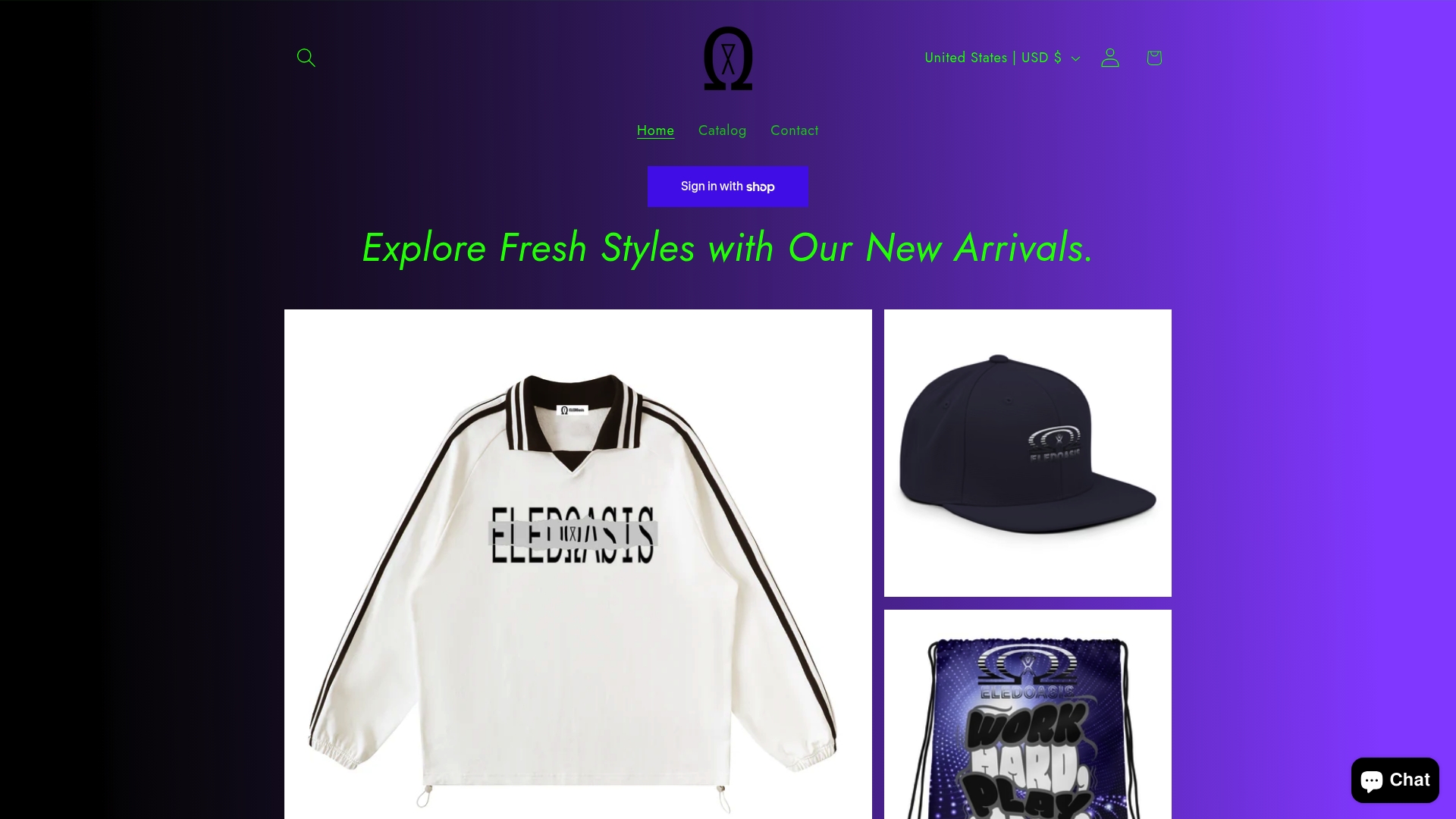
Take control of your fashion narrative today. Visit Eledoasis to discover eye-catching apparel designed to express who you truly are. Start curating a wardrobe that fuels creativity, celebrates diversity, and breaks free from the status quo. Your authentic style awaits.
Frequently Asked Questions
How does fashion influence our identity?
Fashion influences our identity by acting as a visual language that communicates who we are, our values, and how we see the world. The clothes we wear can shape our self-perception and how others perceive us, reflecting our interests and beliefs.
What role does streetwear play in personal expression?
Streetwear functions as a cultural movement that allows individuals to express their personality and values through unique styles. It emphasizes authenticity and personal narratives, enabling wearers to choose pieces that resonate with their lived experiences.
How can I use color to express my identity?
Color plays a significant role in self-expression. For example, black conveys sophistication and seriousness, while bright colors may signal boldness and playfulness. By selecting a color palette that resonates with you, you can communicate aspects of your personality and mood through your clothing choices.
What are the risks of using fashion for self-expression?
Using fashion for self-expression comes with risks such as supporting fast fashion’s negative impact on the environment, potential cultural appropriation, psychological pressure from trend chasing, and using fashion as a substitute for deeper emotional issues. It’s important to make intentional choices anchored in self-awareness.