Individuality in Streetwear – Why It Drives Culture
Finding a fresh way to stand out in cities buzzing with creativity can feel challenging when mass-produced looks fill every corner. For Generation Z and millennial creators, streetwear is more than fashion—it’s a powerful tool for self-expression and building community. Academic research shows that individuality drives streetwear culture, where unique style choices communicate identity, cultural values, and creativity. Discover how streetwear empowers you to shape your personal narrative and elevate your brand.
Table of Contents
- What Individuality Means In Streetwear Culture
- Origins And Influences On Streetwear Expression
- How Brands Foster Creative Self-Expression
- Subcultures, Personal Style, And Crossover Trends
- Common Challenges: Authenticity Vs. Imitation
Key Takeaways
| Point | Details |
|---|---|
| Individuality in Streetwear | Streetwear serves as a platform for personal storytelling and identity expression, allowing wearers to showcase their unique perspectives through style choices. |
| Cultural Origins | Understanding the roots of streetwear in marginalized communities enriches the appreciation of its significance beyond fashion trends. |
| Brand Engagement | Brands that cultivate creative self-expression foster deeper connections with consumers through narrative development and cultural representation. |
| Authenticity Awareness | Navigating the tension between authenticity and imitation is essential, requiring participants to engage genuinely with streetwear’s cultural narratives. |
What Individuality Means in Streetwear Culture
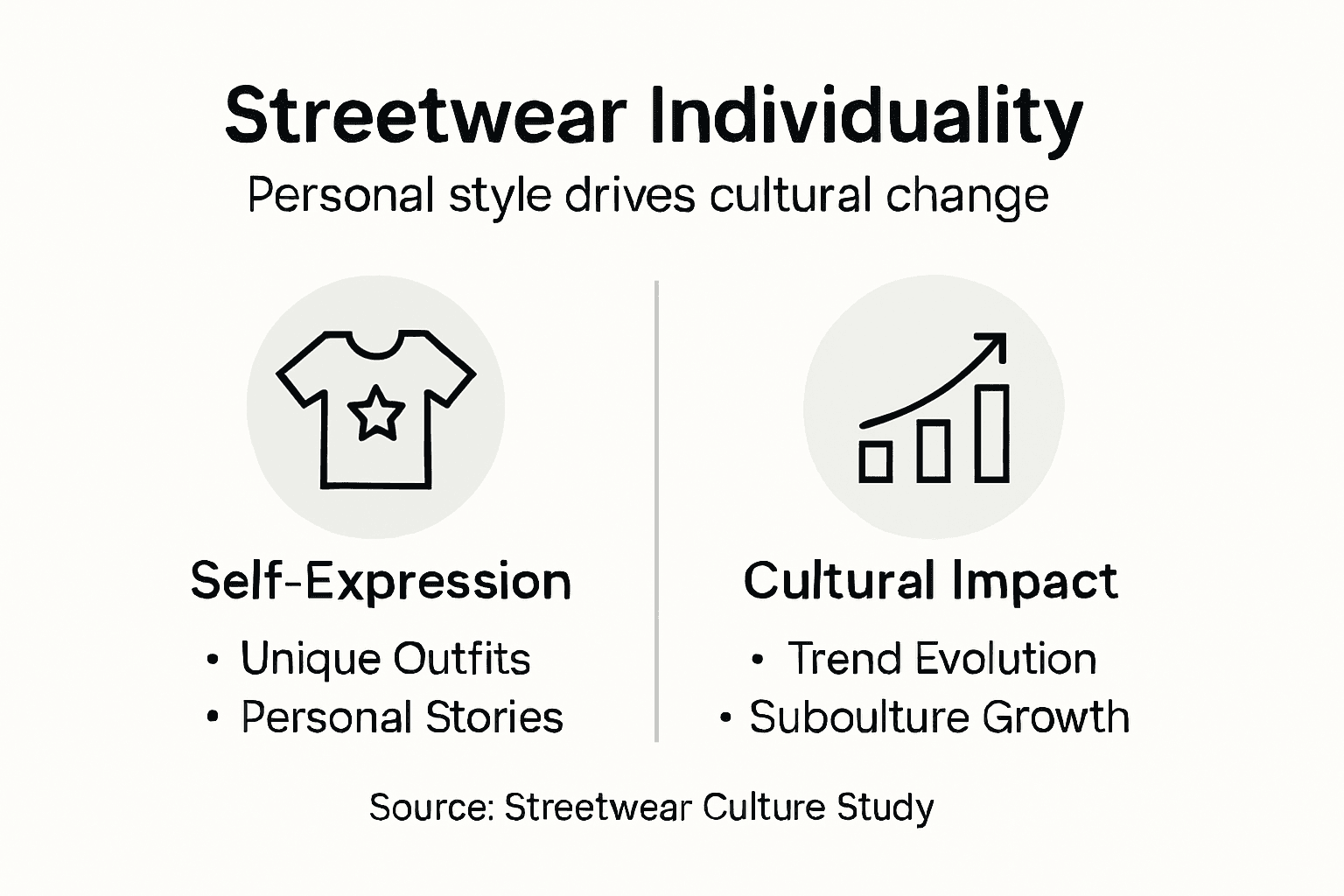
Streetwear transcends typical fashion boundaries, emerging as a powerful medium for personal storytelling and identity expression. At its core, streetwear culture represents more than clothing - it’s a dynamic communication system where individuals articulate their unique perspectives, experiences, and social affiliations through carefully curated style choices.
Drawing from academic research on generational fashion expressions, streetwear enables young creators to construct and broadcast their personal narratives. Generation Z and millennial wearers specifically view clothing as an artistic canvas, transforming garments into statements about personal values, cultural backgrounds, and individual creativity.
Key dimensions of individuality in streetwear include:
- Rejecting mass-produced fashion uniformity
- Celebrating personal aesthetic interpretations
- Using clothing as a form of non-verbal communication
- Blending cultural influences and personal experiences
- Challenging traditional fashion norms and expectations
The social identity performance inherent in streetwear goes beyond mere clothing selection. Each outfit becomes a carefully constructed narrative, communicating complex personal identities through fabric, cut, style, and combination. By mixing unexpected elements, layering unique pieces, and selecting items that resonate with personal experiences, streetwear enthusiasts transform clothing into a deeply personal art form.
Pro tip: Develop your streetwear style by collecting pieces that genuinely speak to your personal journey, not just trend popularity.
Origins and Influences on Streetwear Expression
Streetware emerged from the vibrant underground cultures of urban America, specifically rooted in the marginalized Black and Brown communities that pioneered its early aesthetic and philosophical foundations. These communities transformed clothing from mere functional coverings into powerful statements of resistance, identity, and cultural pride.
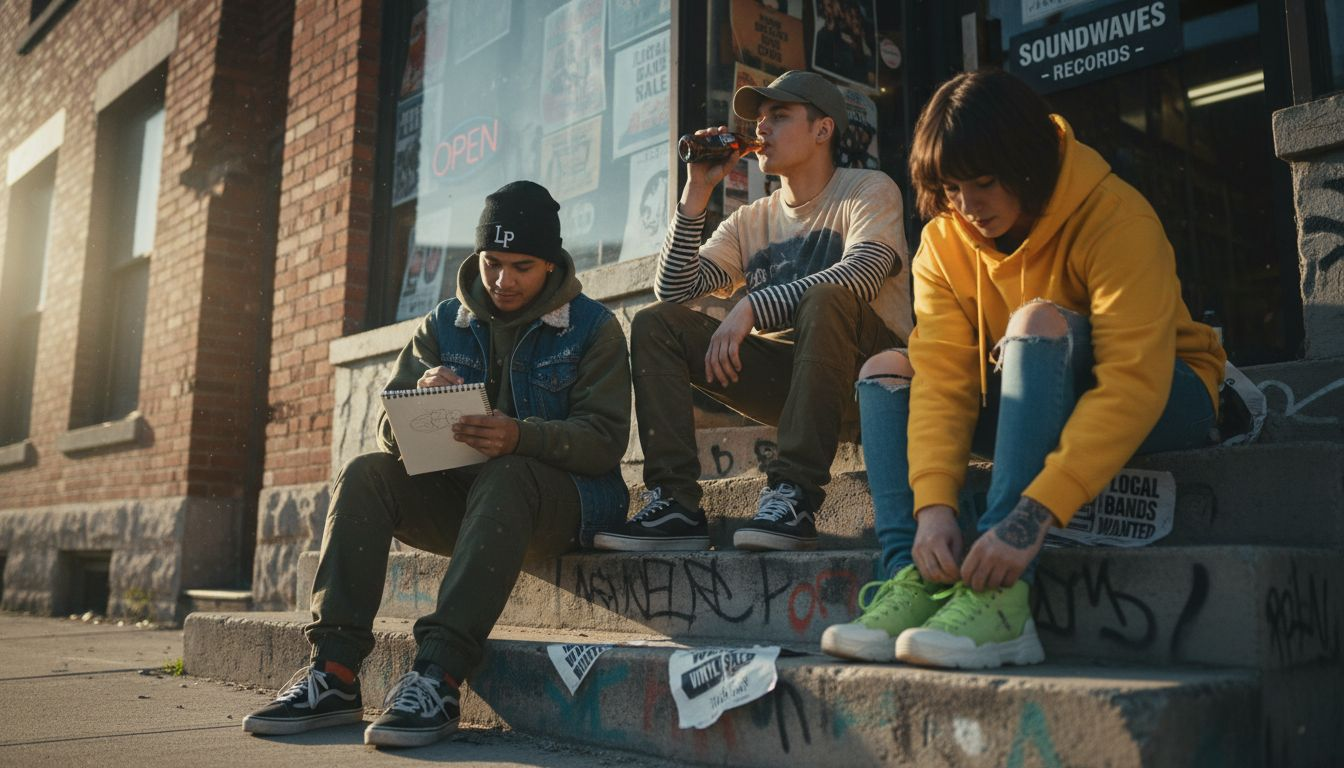
Historically, streetwear developed through complex intersections of music, social movements, and youth rebellion. Hip-hop culture, skateboarding scenes, and urban art movements played pivotal roles in shaping streetwear’s visual language and rebellious spirit. Each subculture contributed unique elements that would eventually blend into a global fashion phenomenon.
Key historical influences on streetwear include:
- Underground hip-hop music scenes
- Skateboarding and punk rock aesthetics
- Graffiti and street art movements
- African American and Latino urban fashion traditions
- Youth counterculture resistance to mainstream fashion
The evolution of streetwear’s cultural identity demonstrates how fashion becomes a form of social communication. What began as a localized expression of urban creativity has transformed into a global language of personal identity, transcending geographical and cultural boundaries. Influential figures from music, sports, and art have continuously redefined streetwear, making it a dynamic, ever-changing form of self-expression.
Pro tip: Research the cultural roots of streetwear to understand its deeper significance beyond surface-level trends.
Here is a summary of how major subcultures have influenced the streetwear movement:
| Subculture Origin | Key Contribution to Streetwear | Lasting Impact on Fashion |
|---|---|---|
| Hip-hop Communities | Emphasis on bold graphics | Popularization of logos |
| Skateboarding Scenes | Loose, functional silhouettes | Adoption of sneakers |
| Punk Rock | DIY and rebellion symbolism | Widespread use of patches |
| Street Art Movements | Creative, graphic prints | Unique print collaborations |
| Tech/Digital Groups | Integration of tech elements | Emergence of cyber styles |
How Brands Foster Creative Self-Expression
Streetware brands have transformed from mere clothing manufacturers to powerful platforms for personal storytelling, actively cultivating consumer creativity through strategic narrative development. By creating spaces where individual expression becomes central to brand identity, these companies transcend traditional marketing approaches and become cultural conduits for personal transformation.
The most innovative streetwear brands understand that their role extends far beyond product creation. They serve as cultural architects, designing experiences and aesthetics that resonate deeply with consumers’ personal identities and aspirational narratives. This approach requires an intricate understanding of emerging social dynamics, youth subcultures, and the evolving language of personal expression.
Key strategies brands use to foster creative self-expression include:
- Developing limited edition collections
- Collaborating with underground artists
- Creating platforms for consumer storytelling
- Supporting diverse cultural representations
- Encouraging customization and personal styling
The digital engagement strategies of Gen Z-focused brands demonstrate a sophisticated approach to self-expression. By blending cultural references from skateboarding, hip-hop, and digital platforms, these brands create dynamic visual languages that allow individuals to construct and communicate their unique identities through fashion.
Pro tip: Choose brands that provide narrative space for your personal story, not just trendy designs.
Subcultures, Personal Style, and Crossover Trends
Streetware’s dynamic landscape is defined by complex interactions between diverse subcultures, where individual style emerges through group identity. Each subculture functions as a creative ecosystem, generating unique aesthetic languages that simultaneously celebrate collective belonging and individual expression.
The streetwear ecosystem represents a sophisticated network of interconnected style tribes, each characterized by distinctive visual codes, aesthetic preferences, and cultural references. From skateboarding and hip-hop to punk and digital art communities, these subcultures generate nuanced style dialects that continuously evolve and cross-pollinate, creating rich, multilayered fashion narratives.
Key subcultures driving streetwear innovation include:
- Skateboarding and extreme sports communities
- Underground hip-hop scenes
- Digital art and technology collectives
- Punk and alternative music cultures
- Urban youth social movements
Crossover trends emerge when these subcultures interact, creating hybrid aesthetic expressions that challenge traditional fashion boundaries. Sneakerhead communities, for instance, demonstrate how personal brand preferences and collective identity can simultaneously drive fashion innovation, transforming niche style languages into mainstream cultural phenomena.
Pro tip: Explore multiple subcultures to develop a truly unique personal style that transcends conventional fashion categorizations.
Common Challenges: Authenticity vs. Imitation
Streetwear confronts a critical tension between preserving cultural authenticity and embracing innovative expression. This delicate balance requires participants to deeply understand the cultural roots and historical significance of their chosen aesthetic, recognizing that true style transcends mere surface-level imitation.
The authenticity challenge in streetwear represents a complex negotiation between respect for original cultural contexts and the continuous evolution of personal style. Participants must navigate a nuanced landscape where appreciation and appropriation are often separated by razor-thin margins, demanding critical self-reflection and genuine engagement with the culture’s foundational narratives.
Key markers distinguishing authentic participation from superficial imitation include:
- Understanding the historical origins of style elements
- Respecting cultural significance beyond visual aesthetics
- Acknowledging and crediting original cultural innovators
- Engaging with communities genuinely and humbly
- Demonstrating commitment beyond trendy consumption
The contemporary dialogue around streetwear’s cultural integrity emphasizes continuous learning and critical awareness. Authentic participation requires moving beyond passive consumption to active cultural understanding, recognizing that streetwear represents a living, breathing form of social communication and personal expression.
Pro tip: Research the cultural origins of your favorite streetwear styles to transform your approach from mere consumption to meaningful participation.
The table below highlights major differences between authentic and imitative streetwear practices:
| Aspect | Authentic Streetwear | Imitative Streetwear |
|---|---|---|
| Cultural Awareness | Deep historical knowledge | Limited understanding |
| Community Engagement | Active participation | Surface-level involvement |
| Source of Inspiration | Personal and cultural story | Popular trends only |
| Brand Selection | Values originality | Follows mainstream brands |
Express Your True Self with Streetwear That Speaks
Individuality is at the heart of streetwear culture. This article highlights the challenge many face trying to balance authentic self-expression with fashion that truly resonates personally—not just following fleeting trends or imitation. If you want to reject uniformity and celebrate your unique story, it is essential to wear pieces that connect meaningfully to your identity and values. At EledOasis, we understand how important it is to communicate your personal narrative boldly and creatively.
Discover collections designed to empower your style journey with distinct aesthetics and rich symbolism. Whether you want to make a statement with our Zodiac Jackets collection - unisex – ELEDOasis, layer casual comfort through our online sweatpants - Sweats Collection – ELEDOasis, or find denim that fits your personal vibe from our jeans denim fit - ELEDOasis Collection, each piece offers a canvas for your individual fashion story.

Challenge yourself to break free from mass-produced fashion and join a community that treasures authenticity and creativity. Shop now at EledOasis to build a streetwear wardrobe that truly reflects who you are. Start shaping your personal style today and wear your culture with pride.
Frequently Asked Questions
What does individuality mean in streetwear culture?
Individuality in streetwear culture refers to the expression of personal identity and storytelling through unique clothing choices. This includes rejecting mass-produced fashion, celebrating personal aesthetics, and using fashion to communicate non-verbally.
How has streetwear’s history influenced its cultural significance?
Streetwear’s history is rooted in underground movements, particularly within marginalized Black and Brown communities. Influences from hip-hop, skateboarding, and street art have shaped its visual language, turning fashion into a form of social communication and cultural pride.
What strategies do streetwear brands use to foster self-expression?
Streetwear brands foster self-expression by creating limited edition collections, collaborating with artists, supporting diverse cultural representations, and encouraging customization, allowing consumers to integrate their personal narratives into their clothing choices.
What challenges does streetwear face regarding authenticity?
Streetwear faces challenges balancing cultural authenticity and innovation, requiring participants to respect historical contexts and engage genuinely with the culture, distinguishing authentic participation from superficial imitation.
Recommended
- Street Fashion Trends: Expressing Identity Globally – ELEDOasis
- Role of Art in Streetwear – Fuels Identity and Innovation – ELEDOasis
- Role of Art in Streetwear – Fuels Identity and Innovation – ELEDOasis
- Role of Art in Streetwear – Fuels Identity and Innovation – ELEDOasis
- Street Style Menswear: Elevate Your Everyday Look – Vellure Homme
- Role of Prints in Apparel—Boosting Style and Sales - fabric fabric