Influencer culture in fashion: How digital creators shape style
Fashion influencer marketing was valued at $37.61B in 2024, and that number is only climbing. Traditional celebrities used to own the runway conversation, but digital creators have flipped the script entirely. Today, a 22-year-old with a camera and a distinct aesthetic can move product faster than a full-page magazine spread ever could. This guide breaks down how influencer culture actually works in fashion, what it means for trend cycles, and how you can use it to sharpen your own style without losing what makes you, you.
Table of Contents
- Defining influencer culture in fashion
- How influencer culture shapes trends and self-expression
- Influencer marketing: Returns, risks, and real talk
- Staying original: Influencer strategies for true individuality
- Level up your style: Authentic streetwear picks
- Frequently asked questions
Key Takeaways
| Point | Details |
|---|---|
| Influencer culture redefined fashion | Digital creators now set trends and shape styles through authentic community engagement. |
| Balance of individuality vs. trends | Influencers can enable unique self-expression but fast fashion cycles can challenge originality. |
| Micro-influencers drive engagement | Niche creators offer higher engagement and authenticity, making them vital to modern fashion. |
| Smart following boosts personal style | Selecting inspired and authentic influencers helps you develop a genuinely unique look. |
Defining influencer culture in fashion
Influencer culture in fashion is not just about sponsored posts and gifted packages. It is a full ecosystem. Influencer culture in fashion refers to the network where social media creators with engaged audiences around style and lifestyle partner with brands to promote products through authentic content. The key word there is authentic. That is what separates a digital creator from a billboard.
Traditional celebrity endorsements were transactional and distant. A Hollywood actor wearing a luxury watch felt aspirational but untouchable. Digital creators feel like your most stylish friend, someone who actually answers DMs and shows you how they styled the same hoodie three different ways. That relatability is the engine driving the entire industry.
Understanding fashion identity explained starts with knowing who is actually shaping the conversation. Here is a breakdown of influencer tiers and what each brings to the table:
| Tier | Follower range | Engagement level | Best for |
|---|---|---|---|
| Nano | 1K–10K | Very high | Niche communities |
| Micro | 10K–100K | High | Targeted audiences |
| Macro | 100K–1M | Moderate | Broad reach |
| Mega | 1M+ | Lower | Mass awareness |
Nano and micro creators consistently outperform mega influencers on engagement. Their audiences are smaller but far more invested. For streetwear culture specifically, that tight-knit community energy is everything.
Key characteristics that define influencer culture in fashion today:
- Community first: Creators build loyal followings around shared aesthetics, not just follower counts
- Platform native: Content is designed for the platform, whether that is a TikTok fit check or an Instagram carousel
- Two-way dialogue: Followers actively shape what creators wear and promote
- Speed: Trends move from a creator’s feed to sold-out status in days
“The most powerful influencers are not the ones with the most followers. They are the ones whose audience actually trusts their taste.”
Exploring street fashion trends shows just how fast this ecosystem moves when the right creator picks up a look.
How influencer culture shapes trends and self-expression
With influencer culture defined, let’s get into how it actually moves fashion and what that means for your self-expression. The mechanics are more intentional than most people realize.
Influencer tiers each play a specific role: nano creators spark grassroots buzz, micro creators amplify it within targeted communities, macro creators push it mainstream, and mega creators cement it as a cultural moment. Platforms like Instagram and TikTok are the highways, and strategies like sponsored posts, product seeding, and brand collaborations are the fuel.
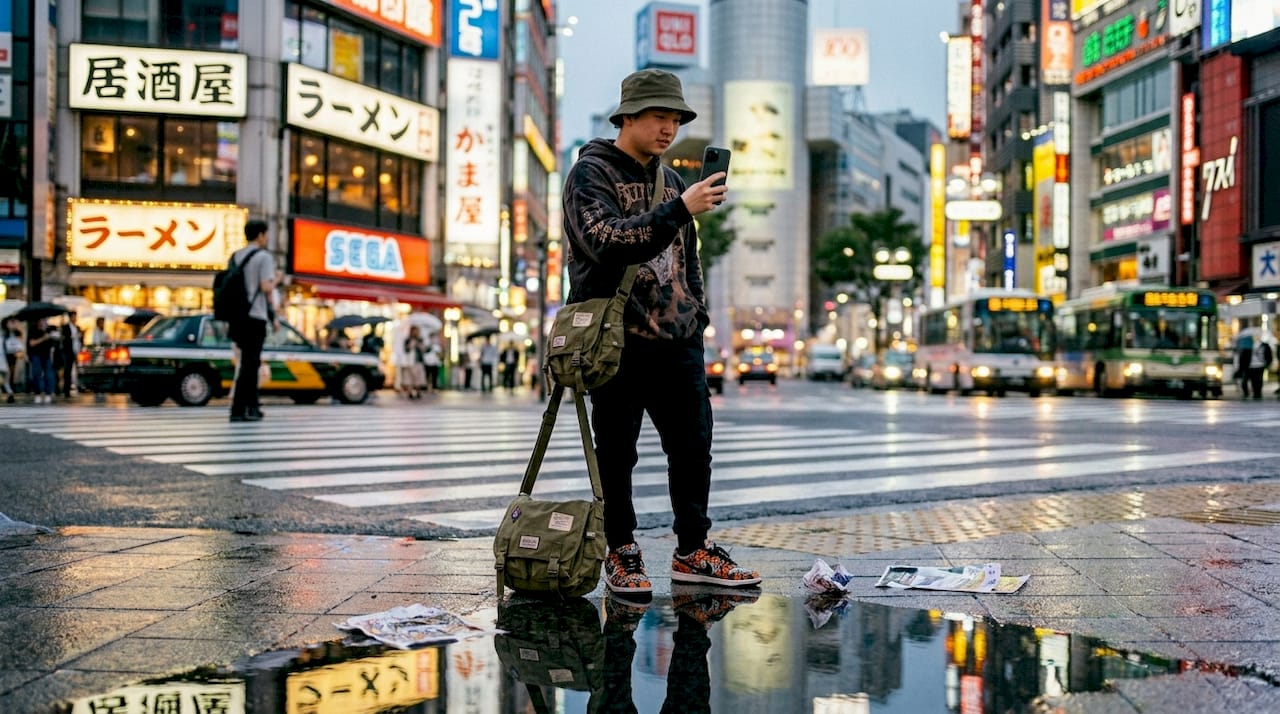
For streetwear specifically, the process is fast and community-driven. A micro-influencer in Tokyo drops a fit featuring an obscure Japanese brand. A creator in London reposts it. A streetwear account in New York picks it up. Within a week, that brand has a waitlist. That is the why fashion trends change story playing out in real time.
Here is how platform performance breaks down for fashion influencer content:
| Platform | Content format | Trend speed | Audience behavior |
|---|---|---|---|
| TikTok | Short video | Fastest | Discover and share |
| Photo/Reel/Story | Fast | Aspire and save | |
| YouTube | Long-form video | Slower | Research and trust |
| Visual boards | Evergreen | Plan and collect |
The tension worth talking about is this: influencer culture enables unique styles through authentic, community-driven content, but it also risks diluting individuality through fast trends. When everyone is wearing the same viral sneaker, the original point of streetwear, which is standing out, gets blurry.
How to protect your individuality while still drawing inspiration:
- Follow creators whose process inspires you, not just their final looks
- Mix one trending piece with two pieces that are purely yours
- Pay attention to trends shaping streetwear 2026 without letting them dictate your entire wardrobe
- Engage with youth fashion trends 2026 as a reference point, not a rulebook
Pro Tip: Engagement rate matters more than follower count when you are looking for genuine style inspiration. A creator with 8,000 followers and a 12% engagement rate is influencing their audience far more deeply than someone with 500,000 followers and 0.8% engagement.
Influencer marketing: Returns, risks, and real talk
As we have seen how trends form, it is important to examine the real-world results and ongoing debates about influencer power. The numbers are hard to argue with.
The fashion influencer marketing market is projected to hit $49.12B by 2025 and $415.74B by 2033, growing at a 30.6% CAGR. Brands are not slowing down their spend because the returns justify it. The average ROI sits at $6.50 for every $1 spent, and top brands like H&M and SHEIN generate 77x more reach through influencer campaigns than traditional advertising.
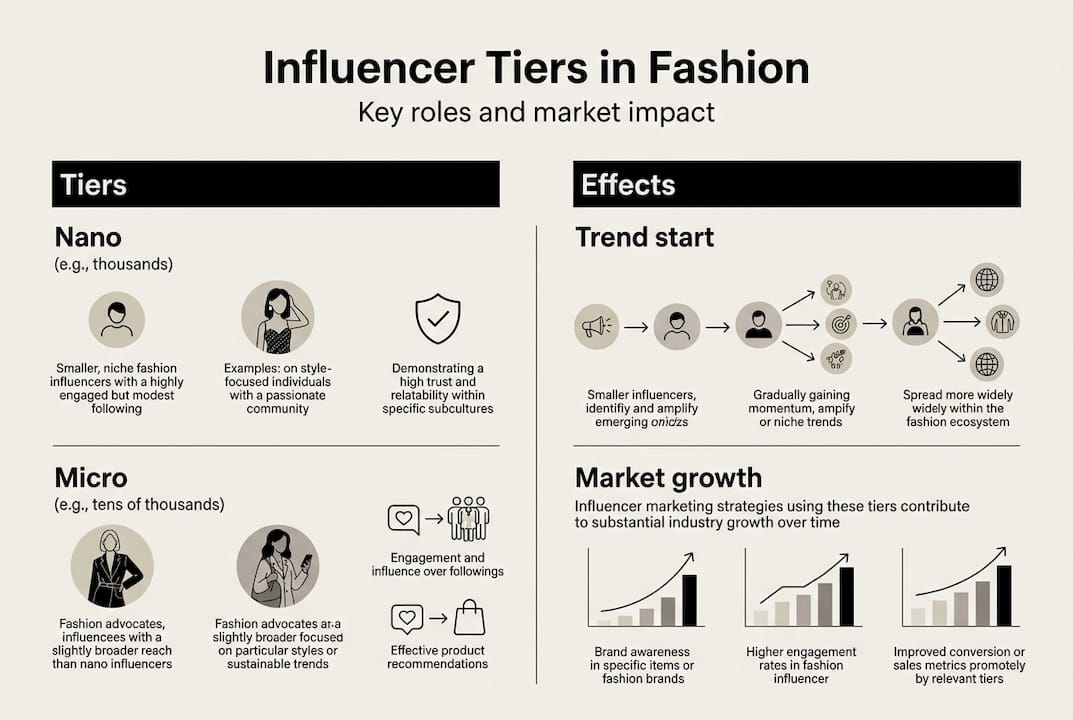
But here is the tension nobody talks about enough: 50% of consumers report feeling fatigued by influencer content, while 86% of marketers are simultaneously increasing their influencer spend. That gap is where authenticity goes to die if brands are not careful.
The risks stacking up against influencer-heavy strategies:
- Content fatigue: Audiences tune out when every creator is pushing the same product in the same week
- Inauthenticity: Followers can spot a forced partnership immediately, and it damages both the creator and the brand
- Trend saturation: When a look goes viral, it loses its edge within weeks
- Sameness: The algorithm rewards what already works, which pushes creators toward similar content
“Authenticity is not a marketing strategy. It is the only currency that actually holds value in creator culture.”
The brands winning right now are leaning into authenticity in fashion by building long-term relationships with creators instead of one-off campaigns. Personal branding in fashion has become as important for creators as it is for the labels they work with.
Pro Tip: When evaluating whether a creator’s style is worth following, check their older content. If their aesthetic has evolved organically over time, that is a sign of genuine creative development. If it shifts dramatically every time a new trend drops, they are chasing virality, not building a vision.
Niche micro-influencers are reshaping urban streetwear trends by focusing on craft and community over clout. That is where the most interesting style conversations are happening right now.
Staying original: Influencer strategies for true individuality
With the realities of influencer marketing exposed, let’s turn to how you can cut through the noise and make influencer culture work for you. This is where strategy meets self-expression.
Brands that succeed long-term invest in ambassador programs that support creators who value craft and context. Audiences consistently value individuality over virality. That same principle applies to how you consume influencer content as a style-seeker.
How to build a feed that fuels real creativity:
- Curate intentionally: Follow creators across different cities, subcultures, and aesthetics. Diversity of input leads to originality of output
- Spot the difference: Organic content feels personal and specific. Sponsored content often feels polished and generic. Learn to read the difference
- Mix your sources: Use micro-influencer inspiration as a starting point, then add your own materials, colors, and proportions
- Go niche: The streetwear movements guide shows how subcultures consistently produce more original style than mainstream trend cycles
- Study movements: Understanding fashion movements explained gives you context for why certain aesthetics resonate, which helps you build something intentional rather than reactive
The influencer culture insights that matter most for streetwear enthusiasts point to one consistent truth: community-driven content outlasts algorithm-driven content every single time. The creators building real cultural moments are the ones rooted in a specific world, whether that is skate culture, art school aesthetics, or underground music scenes.
Pro Tip: Create a private mood board separate from your social feed. Pull images from creators, art, architecture, and street photography. When you dress from that board instead of your algorithm, your style starts to feel genuinely yours.
The goal is not to ignore influencer culture. It is to use it as raw material rather than a blueprint. Take what resonates, leave what does not, and build something that could not exist without your specific perspective.
Level up your style: Authentic streetwear picks
Influencer culture gives you the inspiration. What you do with it is where your identity lives. If you are ready to build a wardrobe that reflects genuine self-expression rather than just the latest viral moment, the pieces you invest in matter.
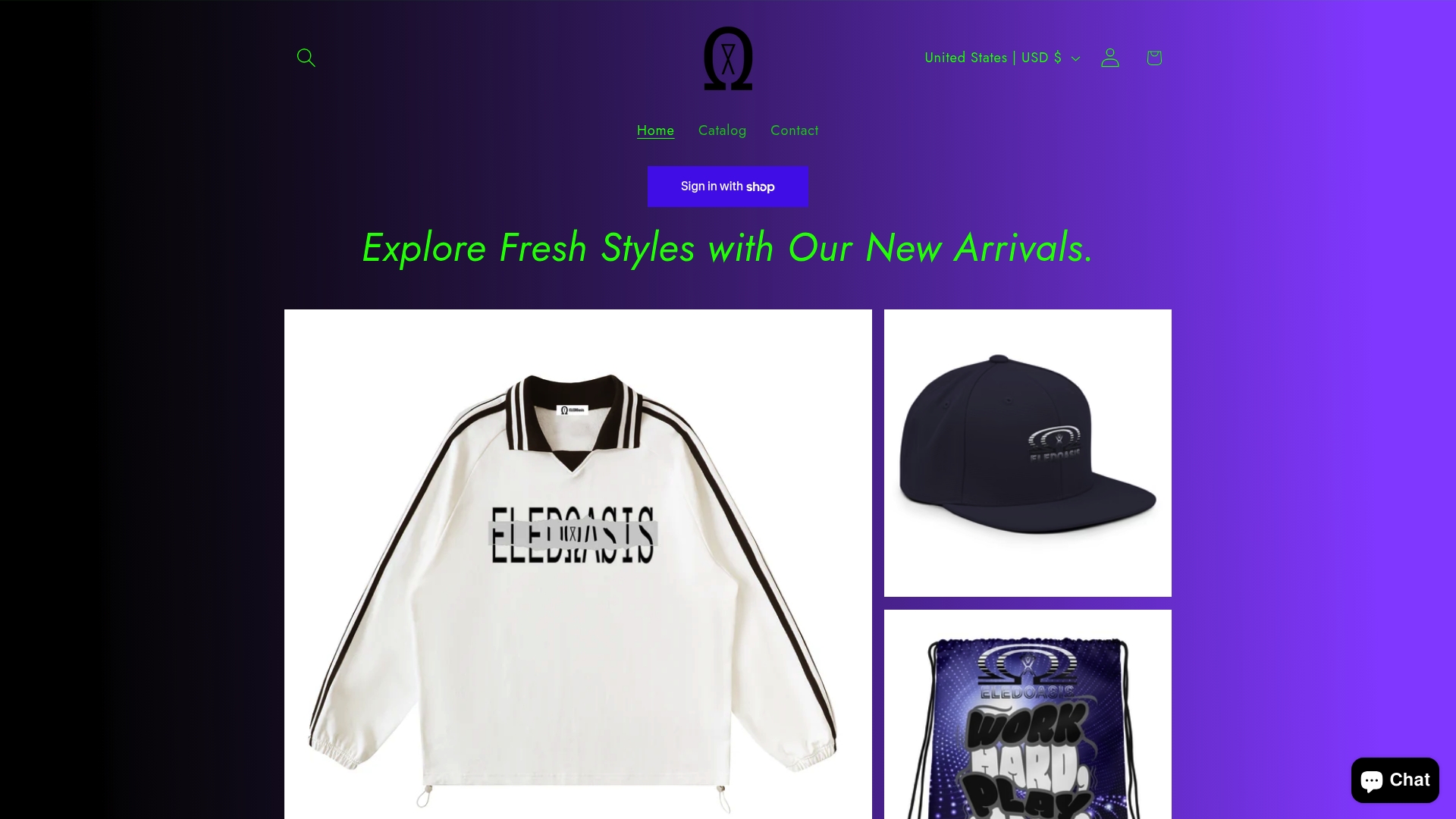
At ELEDOasis, the focus is on apparel that carries meaning beyond the trend cycle. The Wonder casual sweats are built for the person who wants comfort without sacrificing a distinct visual identity. The Greed sweatpants bring premium urban construction to everyday wear, the kind of piece that works as a foundation for layering your own creative vision on top. These are not fast-fashion impulse buys. They are the building blocks of a wardrobe with a point of view.
Frequently asked questions
How do influencers impact fashion trends today?
Influencers set trends by showcasing styles to engaged audiences, often making niche aesthetics mainstream through authentic content. Their direct relationship with followers gives them a speed and credibility that traditional advertising cannot match.
What is the difference between a micro-influencer and a macro-influencer?
Micro-influencers have 10,000 to 100,000 followers with higher engagement rates, while macro-influencers reach 100,000 to 1 million followers with broader but less concentrated influence. The tiered influencer model shows that engagement depth often matters more than raw reach.
Does influencer culture make it harder to be original?
Fast trends can create visual sameness, but following authentic and niche creators helps you develop a style that is genuinely yours. Influencer culture enables unique expression when you use it as inspiration rather than instruction.
What platforms matter most in fashion influencer culture?
Instagram and TikTok lead the space, with creators using both for trend-spreading and collaboration. TikTok moves trends fastest, while Instagram tends to sustain them longer through saves and shares.