How to Personalize Streetwear Essentials for Unique Style
Finding streetwear that truly feels like your own can be tough when every closet starts to look the same. For young adults eager to stand out, the secret is in purposeful customization that carries its own story. By starting with a self-identity audit and selecting pieces that genuinely represent your values and social identity, your essentials become more than just clothing – they become bold extensions of you. Personal identity and cultural influences are the real foundation for one-of-a-kind style.
Table of Contents
- Step 1: Assess Your Streetwear Essentials for Personalization
- Step 2: Choose Customization Techniques and Materials
- Step 3: Apply Personalized Designs and Details
- Step 4: Review and Refine Your Finished Pieces
Quick Summary
| Key Point | Explanation |
|---|---|
| 1. Assess Your Essentials Honestly | Evaluate each piece to ensure it reflects your identity, comfort, and style before customization. |
| 2. Choose Appropriate Customization Techniques | Select techniques that match your fabric type and personal comfort level for effective personalization results. |
| 3. Apply Meaningful Designs | Use personal symbols and references that genuinely represent you to create unique and authentic pieces. |
| 4. Review and Refine Carefully | Critically assess your work for authenticity and craftsmanship, ensuring it aligns with your style and comfort. |
| 5. Document Your Process and Progress | Take photos throughout the customization stages to track improvements and create a visual portfolio of your work. |
Step 1: Assess Your Streetwear Essentials for Personalization
Before you start customizing, you need to understand what you’re working with. Take inventory of your current streetwear pieces and honestly evaluate which ones actually align with who you are.
Start by gathering your streetwear collection in one place. Pull out everything from your closet—hoodies, tees, joggers, jackets, hats, and accessories. Spread them out so you can see the full picture of what you own.
Now ask yourself some real questions about each piece:
- Does this color make you feel confident?
- Does the fit match your actual style or did you buy it because it was trendy?
- Does this piece reflect your values or identity?
- When was the last time you actually wore this?
- Does it tell part of your story or does it feel like someone else’s choice?
Personal identity and cultural influences play a huge role in whether a piece becomes part of your true streetwear style. You’re not just assessing fabric and fit here—you’re evaluating whether these essentials genuinely represent you.
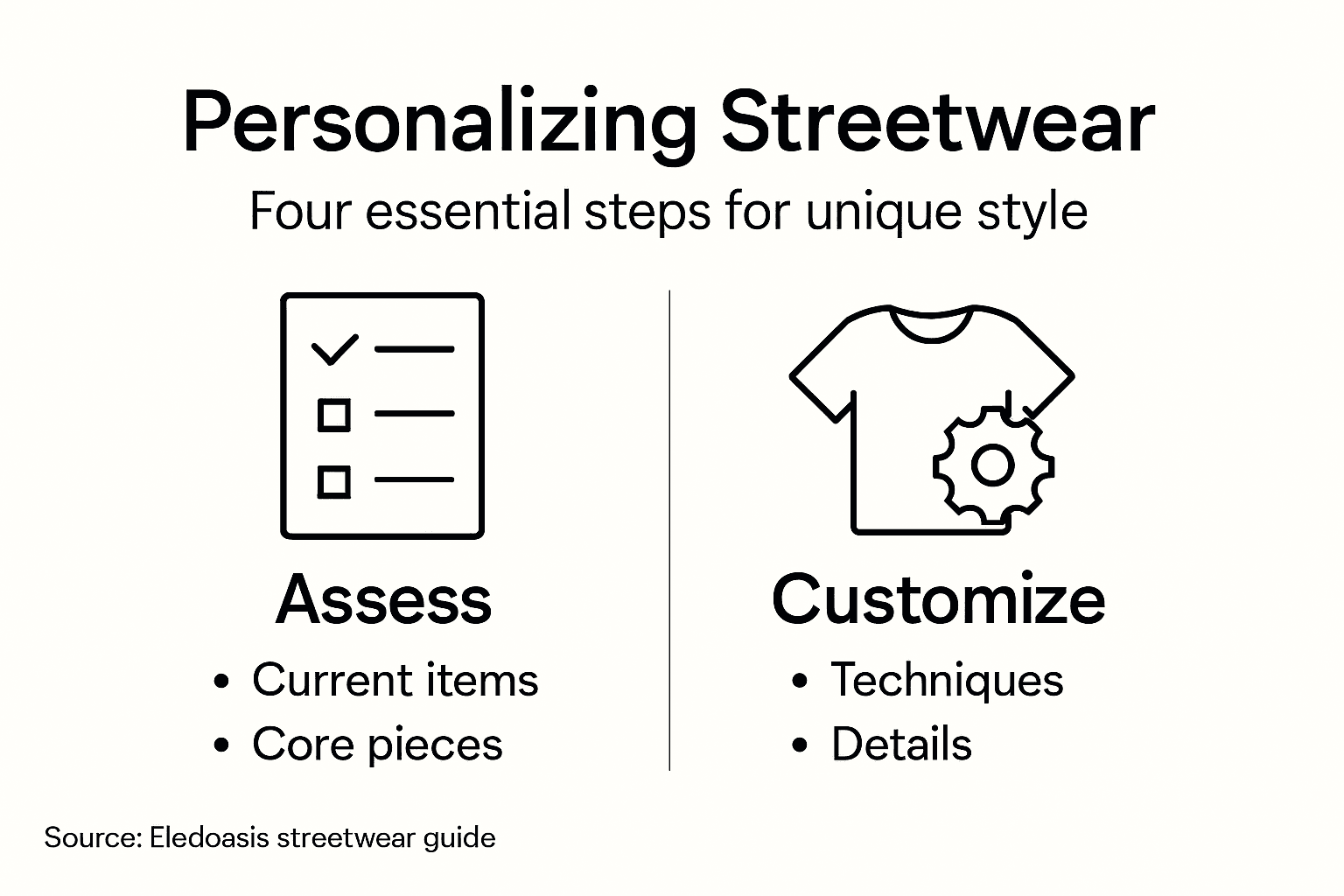
Identify your core pieces. These are the items that work as your foundation—your go-to hoodie, a clean tee, basic joggers, or a versatile jacket. These pieces should feel comfortable and timeless to you, not dated or restrictive.
Look at patterns and gaps in your collection. Are most items the same color? Do you have a mix of oversized and fitted pieces? Are you missing key accessories that could tie outfits together? Understanding what’s missing helps you know where personalization will make the biggest impact.
Be honest about condition. Assess which pieces are worth personalizing versus which ones need to be replaced. A worn-out tee might not be the best canvas for customization. Focus your personalization efforts on items that will last.
Consider how pieces work together. Personalization is stronger when essentials complement each other. How you style streetwear for bold expression matters just as much as the pieces themselves.
Your streetwear essentials should feel like an extension of who you are, not a collection of random purchases.
Pro tip: Take photos of each piece laid flat or on you—this visual reference makes it easier to identify which items deserve personalization and how colors and styles actually work together in real life.
Step 2: Choose Customization Techniques and Materials
Now that you know what pieces deserve personalization, it’s time to decide how you’ll transform them. Different techniques work better for different materials and styles, so understanding your options matters.
Start by considering what kind of personalization speaks to you. Do you want visual impact through bold graphics? Are you drawn to subtle, refined touches? Your answer shapes which techniques make sense.
Here are the most popular customization approaches:
- Embroidery adds texture and durability. Works beautifully on hoodies, caps, and jackets. Takes time but creates lasting quality.
- Screen printing delivers bold graphics with crisp colors. Best for tees and larger flat surfaces. Creates a finished, professional look.
- Patch application offers flexibility and reversibility. You can experiment without permanent changes. Mix vintage patches with modern designs.
- Hand-painted designs bring raw artistic energy. Perfect for expressing individual creativity. Works on canvas, cotton, and blend fabrics.
- Fabric markers and dyes offer subtle personalization. Great for adding accents, signatures, or small details. More accessible for beginners.
- Distressing and cutting create textural interest. Think strategic rips, slashes, or bleaching. Requires careful planning so pieces stay wearable.
Match your technique to your fabric type. Cotton and cotton blends handle most methods well. Synthetic blends need more careful heat application. Knits like ribbed cuffs need flexible methods that won’t crack.
Consider your skill level honestly. Screen printing and embroidery have learning curves. Hand-painting and patching are more forgiving for first-timers. Building your streetwear capsule wardrobe includes pieces that can handle different personalization methods.
Think about permanence. Some techniques can be undone or modified. Others are permanent. Make sure you’re comfortable with your choice before you commit.
Here’s a quick comparison of popular customization techniques and what they’re best suited for:
| Technique | Best Suited For | Level of Permanence |
|---|---|---|
| Embroidery | Hoodies, hats, jackets | Permanent and durable |
| Screen printing | Tees, sweatshirts | Strong, but can crack |
| Patch application | Jackets, bags, jeans | Removable or semi-fixed |
| Hand-painted design | Canvas or cotton tees | Unique, often permanent |
| Fabric markers/dyes | Shoes, small accents | Semi-permanent to lasting |
| Distressing | Denim, joggers | Permanent alteration |
The best customization technique is one that matches both your vision and your confidence level.
Pro tip: Test your chosen technique on an inexpensive or less-worn piece first, so you can perfect your approach before personalizing your favorite essentials.
Step 3: Apply Personalized Designs and Details
This is where your vision becomes reality. You’re moving from planning to execution, transforming blank pieces into statement pieces that tell your story.
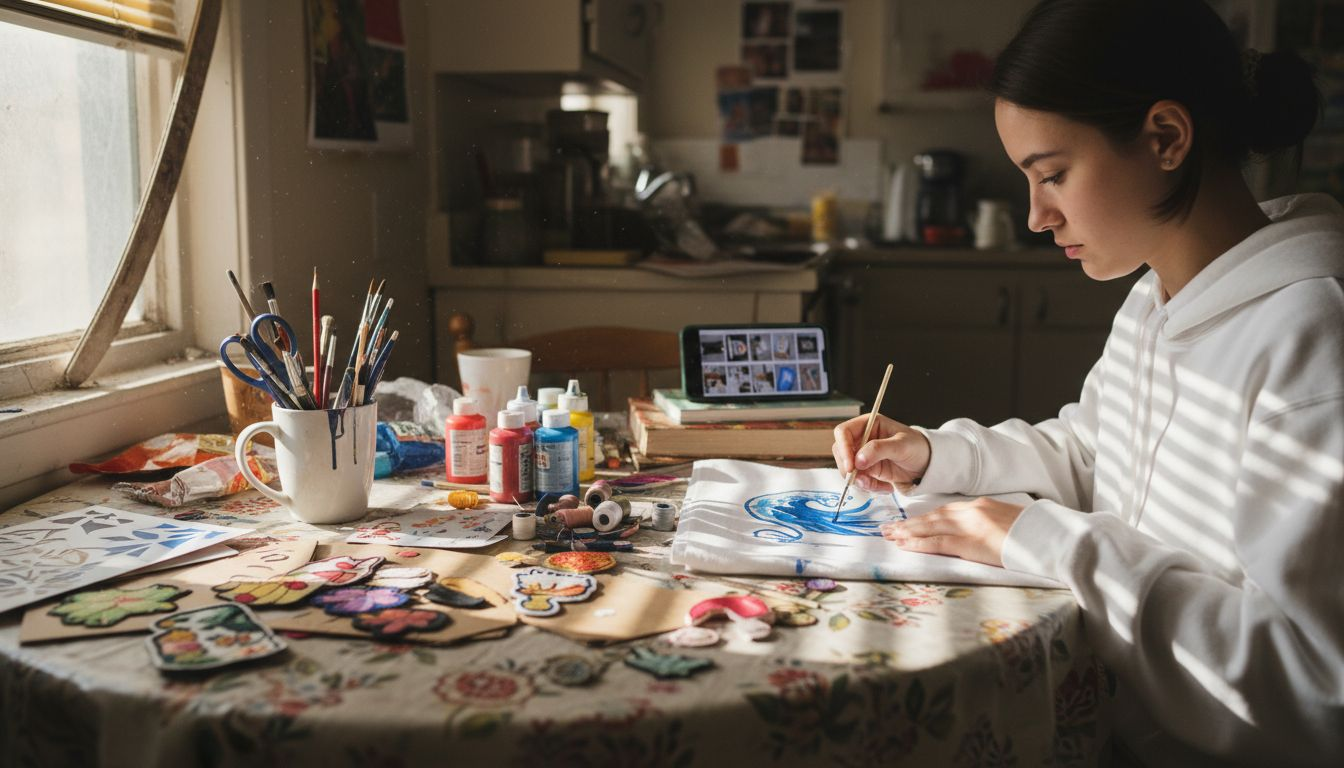
Start by choosing designs with meaning. Skip generic graphics that could belong to anyone. Think about symbols, references, or visual narratives that actually represent you. Your personalization should reflect something real about your identity or values.
Consider these types of meaningful designs:
- Personal symbols or icons that hold significance for you
- Cultural references that connect to your heritage or community
- Artistic styles that match your creative vision
- Typography featuring words, phrases, or quotes that resonate
- Abstract patterns that express mood or aesthetic preference
- Silhouettes or imagery tied to your interests or passions
Before applying anything permanently, prepare your workspace carefully. Lay out your piece on a clean, flat surface. Test your tools and materials on scrap fabric first. Mark placement with chalk or tape so you know exactly where your design goes. Precision matters, especially with embroidery or screen printing.
Work methodically through the application process. Whether you’re hand-painting, screen printing, or embroidering, take your time with each section. Rushing leads to mistakes that are harder to fix than the original work takes. Let layers dry or set fully before moving to the next step.
Step back frequently and assess your progress. Mixing art with streetwear requires balance, so make sure your design enhances the piece without overwhelming it. Storytelling through clothing details means every element should serve your narrative.
Finish properly. If you used paint, follow curing instructions. If you embroidered, secure all threads. If you applied patches, make sure edges are sealed. Proper finishing keeps your personalization looking intentional and polished.
The most powerful personalized pieces are those where every detail communicates something true about who you are.
Pro tip: Document your process with photos as you work, so you can replicate successful techniques on future pieces and show the story behind your personalized designs.
Step 4: Review and Refine Your Finished Pieces
Your personalized pieces are complete, but this step separates polished work from rushed results. Critical assessment ensures your finished pieces truly reflect your vision and maintain the authenticity that makes streetwear powerful.
Start by evaluating with fresh eyes. Set your pieces aside for a day or two, then look at them again. Distance gives you objectivity. Does the design still feel authentic to you? Does it enhance the piece or overwhelm it? Would you actually wear this confidently?
Ask yourself these key questions:
- Does the personalization align with your actual style and values?
- Are the details executed cleanly without flaws or sloppy edges?
- Does the piece feel finished and intentional, not experimental or half-done?
- Would you be proud showing this to friends or wearing it in public?
- Does it tell a genuine story, or does it feel forced or generic?
Look at technical quality honestly. Check for uneven stitching, paint drips, crooked placement, or loose threads. Small imperfections matter because they signal whether you cared about the work. Brand authenticity in streetwear depends on pieces that feel intentional and refined.
Consider refinement opportunities. Maybe a patch needs better placement. Perhaps embroidery needs reinforcement. Some designs might benefit from subtle adjustments. Not every piece needs major changes, but identifying improvements matters.
Test wearability. Put the piece on and move around. Does it feel comfortable? Do the details stay intact? Is anything irritating or restrictive? Authentic personalization works in real life, not just on a hanger.
Get external feedback if possible. Share photos with trusted friends who understand your style. Their perspective catches blind spots you might miss. Listen without defensiveness, and decide if their input genuinely improves your work.
Refinement isn’t about perfection; it’s about ensuring every personalized piece communicates your identity clearly and authentically.
Pro tip: Document your finished pieces with quality photos in good lighting, so you have a visual record of your work and can track how your personalization skills improve over time.
Below is a summary of essential review steps for finished personalized pieces:
| Review Step | Purpose | Benefit to Style |
|---|---|---|
| Set aside for a day | Gain objectivity | Ensures design feels authentic |
| Check technical details | Find and fix imperfections | Enhances quality appearance |
| Wear test | Confirm comfort and fit | Assures usability in real life |
| Seek friend feedback | Gain outside perspective | Supports genuine styling |
| Document with photos | Track progress visually | Builds portfolio and growth |
Elevate Your Streetwear with True Personalization
Feeling stuck with streetwear that doesn’t quite capture your unique style or story? The challenge many face is turning basic pieces into bold, authentic expressions of identity through thoughtful customization. The article highlights key pain points such as choosing the right personalization techniques, working with your existing essentials, and creating meaningful designs that really represent you.
At Eledoasis, we understand how important it is to find streetwear that speaks to your individuality and lifestyle. Our collection of hoodies, tees, hats, and accessories offers versatile, high-quality basics perfect for personalization that aligns with your vision. Whether you want to experiment with embroidery, bold prints, or subtle customized touches, our products are designed to support your creative journey in streetwear self-expression.
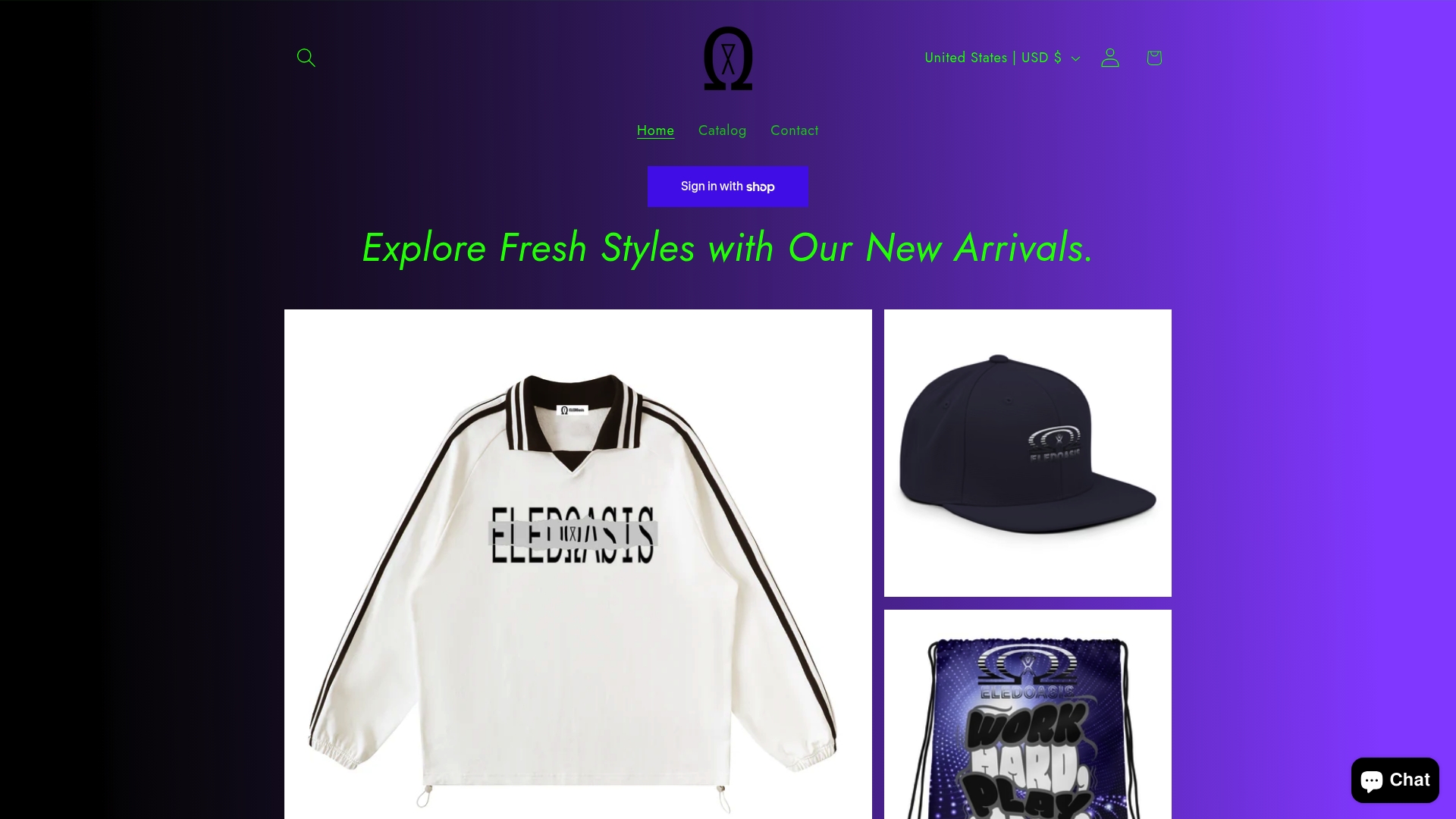
Start transforming your wardrobe today by exploring our selection that celebrates boldness and creativity. Visit Eledoasis to find your foundation pieces and discover inspiration to personalize with confidence. Your style deserves more than trend-driven fashion — it needs to tell your story, and we are here to help you make it real.
Frequently Asked Questions
How can I assess my streetwear essentials before personalizing?
Start by gathering all your streetwear pieces in one place and evaluating each item honestly. Consider your personal style, comfort, and whether each piece reflects your identity. Take photos of your collection to visualize which items deserve customization.
What are the best techniques for personalizing streetwear items?
Choose a technique that aligns with your vision and skill level. Common methods include embroidery for durability, screen printing for bold graphics, and hand-painting for artistic expression. Test your chosen technique on a less-worn piece first to perfect your approach.
How do I apply meaningful designs to my personalized streetwear?
Select designs that hold personal significance, such as symbols or quotes that reflect your identity. Prepare your workspace and test your materials on scrap fabric before applying them to your clothing. Work methodically and step back frequently to ensure that your design enhances the piece.
How can I evaluate the quality of my personalized streetwear?
After personalizing your pieces, set them aside for a day and revisit them with fresh eyes. Check for technical execution, like even stitching and clean edges, and assess overall comfort and style. Gather feedback from trusted friends to gain an outside perspective on your work.
What should I do if I’m not satisfied with the final look of my personalized items?
Take time to evaluate each piece critically and determine what aspects feel off or need adjustment. Consider refining details, repositioning designs, or making minor alterations to improve the overall look. Aim for a cohesive style that truly represents who you are.
Recommended
- How to Style Streetwear for Bold Unique Self-Expression – ELEDOasis
- How to Build a Streetwear Wardrobe for Unique Style – ELEDOasis
- Build Streetwear Capsule Wardrobe for Unique Style – ELEDOasis
- Build Streetwear Capsule Wardrobe for Unique Style – ELEDOasis
- 7 Creative Personalized Jacket Ideas for Unique Style - Maker of Jacket
- How to Style Men’s Designer Sweatshirts for Any Occasion – The Regimental Store Ltd