Role of Art in Fashion Marketing: Impact on Identity
Standing out in today’s fashion world means more than bold colors or trendy logos. For streetwear lovers and creative minds, the blend of art and fashion is a game changer, offering complex creative dialogues that redefine brand identity and self-expression. This article uncovers how art shapes the way brands and designers connect with audiences, challenge old norms, and turn everyday style into powerful cultural stories.
Table of Contents
- Defining Art In Fashion Marketing Today
- Types Of Artistic Expression In Fashion
- How Artistic Design Drives Consumer Engagement
- Visual Storytelling And Brand Identity Creation
- Common Pitfalls In Artistic Fashion Marketing
Key Takeaways
| Point | Details |
|---|---|
| Art Transforms Brand Identity | Integrating art into fashion marketing evolves brand storytelling, influencing consumer perception and emotional engagement. |
| Modes of Artistic Engagement | Fashion brands can choose from synergies, contaminations, and hybridizations to creatively interact with art, each affecting brand impact. |
| Emotional Connections | Artistic design fosters deep emotional connections, converting consumers from passive observers to active participants in brand narratives. |
| Avoiding Superficiality | Authentic artistic collaborations must communicate meaningful narratives, steering clear of aesthetic-only approaches that lack depth. |
Defining Art in Fashion Marketing Today
Fashion marketing has transformed dramatically, with art emerging as a powerful strategic tool for brand storytelling and identity creation. Contemporary interactions between art and fashion now represent complex creative dialogues that challenge traditional aesthetic boundaries.
The concept of art in fashion marketing goes beyond mere visual decoration. It represents a sophisticated process of cultural meaning-making, where brands leverage artistic collaborations to communicate deeper narrative values. Fashion designers and artists are increasingly breaking down institutional barriers, creating hybrid spaces that blur the lines between commercial product and creative expression.
Key characteristics of art’s role in modern fashion marketing include:
- Transforming brand perception through creative storytelling
- Challenging conventional aesthetic norms
- Providing platforms for cultural commentary
- Generating emotional connections with consumers
- Elevating fashion from product to cultural artifact
These interactions manifest through multiple strategic approaches. Art’s transformation in fashion marketing can be understood through three primary modes of engagement: synergies, contaminations, and hybridizations. Each represents a unique way brands integrate artistic perspectives into their marketing narrative.
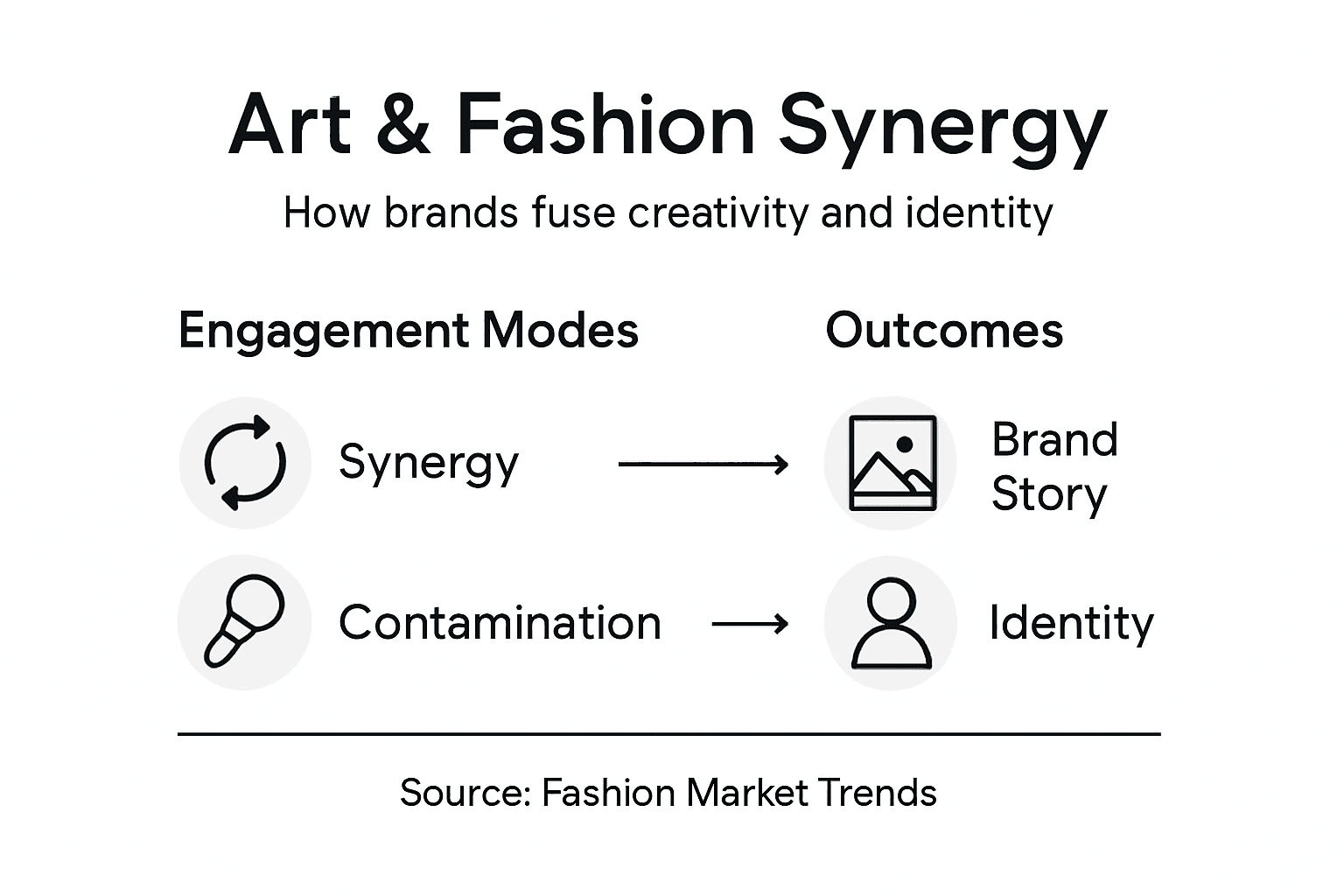
Here’s a comparison of the primary modes of art integration in fashion marketing:
| Mode of Engagement | How It Works | Example Outcome | Brand Impact |
|---|---|---|---|
| Synergies | Fashion brands partner with artists directly | Limited edition collections | Elevated exclusivity and prestige |
| Contaminations | Brands borrow ideas from art movements | Concept-inspired wearable designs | Fresh, innovative brand messaging |
| Hybridizations | Deep blend of art and fashion | Indistinguishable creative works | Distinctive, boundary-breaking |
Synergies occur when fashion brands directly collaborate with artists, creating limited edition collections or immersive brand experiences. Contaminations involve borrowing aesthetic principles from art movements, translating conceptual ideas into wearable designs. Hybridizations represent the most complex interactions, where the boundaries between art and fashion become nearly indistinguishable.
Pro tip: When analyzing fashion marketing campaigns, look beyond surface aesthetics and examine how art transforms the brand’s storytelling and emotional resonance.
Types of Artistic Expression in Fashion
Artistic expression in fashion represents a dynamic spectrum of creative communication, where designers transform visual concepts into wearable narratives. Various art trends significantly influence fashion design, encompassing multiple distinctive approaches that transcend traditional aesthetic boundaries.
Fashion designers employ diverse artistic expressions to communicate complex ideas and cultural perspectives. These expressions can be categorized into three primary forms:
- Symbolic Art: Using visual metaphors and encoded meanings
- Abstract Art: Transforming conceptual ideas into non-representational designs
- Representational Art: Directly translating visual art elements into fashion
Symbolic artistic expression involves embedding deeper cultural or personal narratives within clothing design. Designers create garments that serve as visual language, communicating intricate messages through color, texture, and structural elements. Abstract art in fashion pushes creative boundaries by transforming philosophical concepts into avant-garde clothing pieces that challenge conventional aesthetic norms.
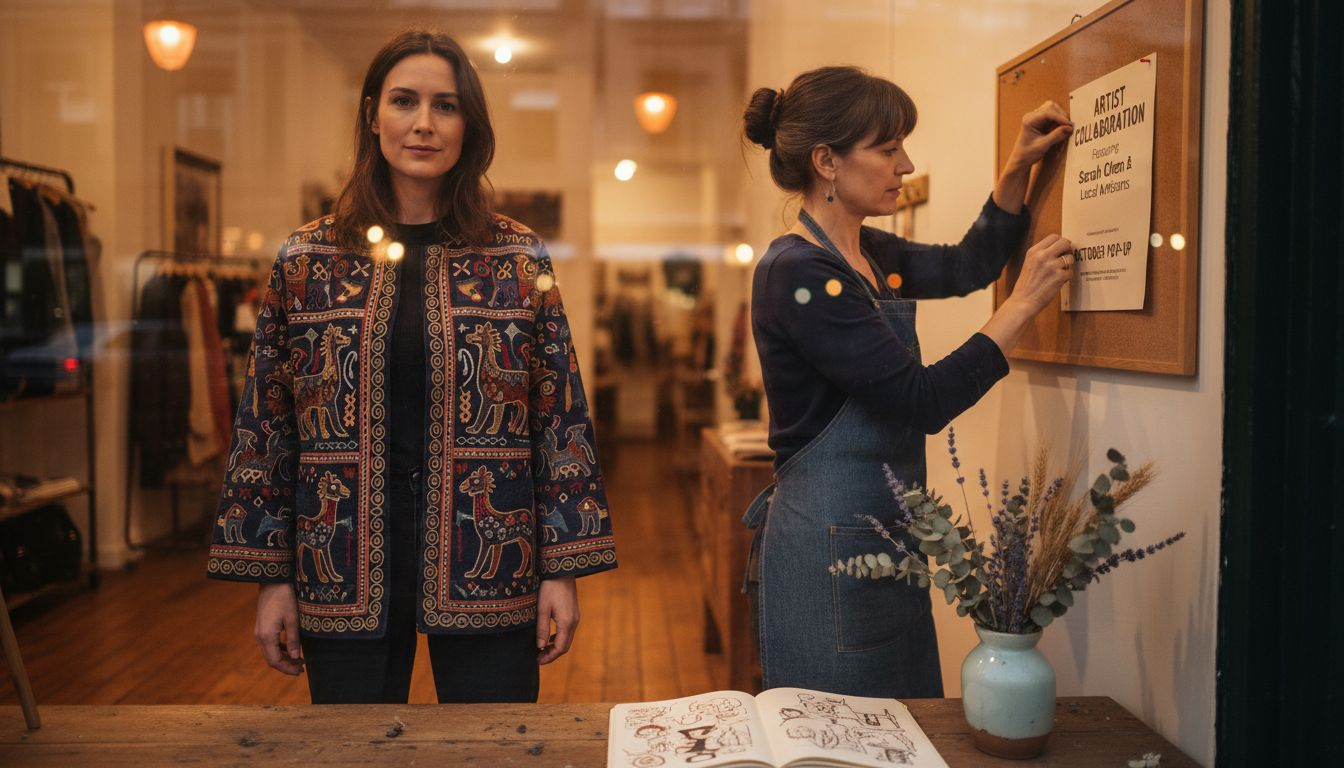
To clarify the influence of artistic expressions in fashion, here’s a summary table:
| Artistic Expression | Visual Approach | Communicative Goal |
|---|---|---|
| Symbolic | Embedded metaphors and symbols | Imply complex cultural messages |
| Abstract | Non-representational, conceptual forms | Provoke thought and emotion |
| Representational | Direct use of recognizable art motifs | Make artistic references clear |
Representational artistic approaches involve direct translation of visual art movements into fashion design. This might include reproducing famous artwork motifs, adopting specific color palettes from art periods, or structurally mimicking sculptural forms. These methods allow fashion to function as a mobile canvas, transforming wearers into walking art installations.
Contemporary fashion marketing increasingly views artistic expression as a strategic tool for brand differentiation. By integrating unique artistic perspectives, fashion brands can create emotionally resonant experiences that transcend traditional product marketing.
Artistic expression in fashion is not just about aesthetics—it’s a powerful form of cultural communication and personal identity construction.
Pro tip: Explore fashion collections through an artistic lens, examining how designers use visual narratives to communicate deeper cultural and personal meanings.
How Artistic Design Drives Consumer Engagement
Artistic design has emerged as a powerful mechanism for transforming passive consumer interactions into deeply meaningful brand experiences. Luxury fashion brands leverage artistic foundations to create emotional connections that transcend traditional marketing approaches, turning consumers into active participants in brand narratives.
Consumer engagement through artistic design operates through multiple strategic dimensions:
- Emotional resonance and storytelling
- Creating unique sensory experiences
- Developing intellectual connections
- Challenging traditional aesthetic expectations
- Generating conversation and social currency
Emotional engagement represents the core mechanism through which artistic design transforms consumer relationships. By embedding complex narratives and symbolic meanings within design elements, brands create multilayered experiences that invite deeper exploration. The artistic approach moves beyond surface-level aesthetic appreciation, encouraging consumers to interpret and interact with fashion as a form of personal and cultural expression.
Through strategic artistic integration, brands can develop sophisticated engagement strategies that convert passive consumers into active brand advocates. This approach involves carefully crafting visual and conceptual experiences that provoke intellectual and emotional responses, making each interaction with the brand a memorable, thought-provoking encounter.
Artistic design transforms fashion from a commodity into a conversation, inviting consumers to become co-creators of meaning.
Pro tip: Analyze fashion collections as narrative experiences, looking beyond visual aesthetics to understand the deeper cultural conversations embedded in each design.
Visual Storytelling and Brand Identity Creation
Visual storytelling has revolutionized how fashion brands communicate their core identity, transforming marketing from mere product promotion to immersive narrative experiences. Art foundations in luxury fashion enable brands to craft rich, emotionally resonant stories that transcend traditional marketing approaches.
Brand identity creation through visual storytelling encompasses several critical strategies:
- Communicating brand heritage and values
- Creating emotional connections with consumers
- Establishing unique visual language
- Differentiating from competitive brands
- Generating authentic cultural narratives
Narrative design represents the core mechanism of visual storytelling in fashion marketing. By carefully curating visual elements, brands construct complex psychological landscapes that invite consumers to engage beyond surface-level interactions. Each design becomes a carefully constructed chapter in an ongoing brand narrative, inviting interpretation and personal connection.
The most effective visual storytelling strategies move beyond aesthetic presentation, transforming clothing and accessories into vehicles for cultural dialogue. Brands strategically use visual metaphors, color symbolism, and design elements to communicate complex ideas about identity, social movements, and personal expression.
Visual storytelling transforms fashion from a product category into a dynamic platform for cultural conversation and personal meaning-making.
Pro tip: Analyze fashion collections as interconnected narratives, examining how each design element contributes to the brand’s broader cultural story.
Common Pitfalls in Artistic Fashion Marketing
Artistic fashion marketing requires nuanced strategies that go beyond superficial aesthetic treatments. Challenges in luxury fashion art integration reveal complex dynamics that can undermine brand credibility and consumer engagement when mishandled.
Common pitfalls in artistic fashion marketing include:
- Inauthentic artistic collaborations
- Superficial visual representation
- Misalignment between brand values and artistic expression
- Overcomplicated narrative strategies
- Lack of genuine consumer dialogue
Inauthentic artistic collaborations represent a significant risk in fashion marketing. Brands often pursue art partnerships solely for aesthetic appeal, neglecting the deeper narrative potential. Such approaches can appear calculated and manipulative, destroying the emotional connection that genuine artistic integration aims to create.
The most critical error occurs when brands treat art as a mere decorative element rather than a meaningful communication platform. Successful artistic marketing requires deep understanding of both artistic principles and brand identity. Brands must move beyond surface-level aesthetics to create genuine, multilayered experiences that resonate with consumer identities and cultural contexts.
Artistic fashion marketing fails when it prioritizes visual spectacle over authentic storytelling and meaningful cultural dialogue.
Pro tip: Evaluate artistic collaborations by their ability to communicate complex narratives, not just their visual attractiveness.
Express Your Unique Identity Through Bold Artistic Fashion
The challenge many fashion brands face today is creating authentic, emotionally resonant connections with consumers that go beyond superficial design. This article highlights how artistic expression in fashion marketing can elevate brand identity by embedding deeper cultural meaning and storytelling. If you want to stand out with styles that truly reflect your personality and worldview, embracing visionary streetwear that merges art and symbolism is essential.
At Eledoasis, you will find bold, statement-making apparel and accessories designed for individuals who crave more than just clothing. Our collections capture the spirit of artistic hybridizations and symbolic storytelling you read about, empowering you to wear your identity with confidence through unique hoodies, tees, hats, and more.
Explore the power of visual storytelling and personal expression today by visiting Eledoasis.com. Discover fashion that transforms from simple apparel into a daring cultural statement with pieces made to inspire and awaken consciousness. Express yourself and embrace your creative edge now before styles run out because true artistic fashion moves fast.
Frequently Asked Questions
How does art influence brand storytelling in fashion marketing?
Art influences brand storytelling by providing deeper cultural narratives and emotional connections. Brands leverage artistic collaborations to convey their values and identity creatively, transforming fashion into a medium for cultural commentary.
What are the main modes of engagement between art and fashion in marketing?
The primary modes of engagement include synergies, contaminations, and hybridizations. Synergies involve direct collaborations, contaminations borrow from art movements, and hybridizations blur the lines between art and fashion.
How does artistic expression enhance consumer engagement in fashion?
Artistic expression enhances consumer engagement by creating emotionally resonant experiences, fostering intellectual connections, and inviting consumers to participate in the brand’s narrative. This transforms consumer interactions into meaningful dialogues.
What are common pitfalls in artistic fashion marketing?
Common pitfalls include inauthentic collaborations, superficial aesthetics, misalignments between brand values and artistic expressions, and lack of genuine consumer dialogue, which can undermine brand credibility and dilute the intended message.