Role of Art in Streetwear – Fuels Identity and Innovation
Most American streetwear brands blend art and fashion in ways that redefine self-expression for young creatives worldwide. Over 60% of new streetwear drops feature collaborations with visual artists, turning clothing into bold statements about culture and identity. For anyone seeking to move beyond ordinary trends, this article uncovers how art turns everyday garments into personal canvases, empowering you to curate your own visual story through fashion.
Table of Contents
- Defining The Role Of Art In Streetwear
- Types Of Artistic Influence In Streetwear
- How Graphic Design Shapes Streetwear
- Collaboration Between Artists And Brands
- Art-Driven Storytelling And Self-Expression
- Risks Of Appropriation And Misrepresentation
Key Takeaways
| Point | Details |
|---|---|
| Art as Expression | Streetwear serves as a visual language allowing individual narratives and cultural identities to be expressed through clothing. |
| Collaboration Value | Partnerships between artists and brands drive innovation and create platforms for diverse perspectives in streetwear design. |
| Cultural Sensitivity | Understanding the origins and significance of design elements is crucial to avoid cultural appropriation and ensure respectful representation. |
| Personal Narrative | Selecting streetwear pieces thoughtfully can enhance one’s self-expression, reflecting personal experiences and cultural heritage. |
Defining the Role of Art in Streetwear
Streetwear transcends traditional fashion boundaries by transforming clothing into a dynamic canvas of artistic expression. Underground subcultures and graphic design have revolutionized how young creatives communicate identity through wearable art, turning every garment into a personal statement.
At its core, streetwear functions as a visual language where graphic elements, color choices, and design aesthetics communicate complex narratives about cultural belonging and individual perspective. Sociological research demonstrates that streetwear acts as a sophisticated communication tool enabling millennials to express internal beliefs and social affiliations through carefully curated clothing choices.
The artistic elements in streetwear typically emerge through several key design strategies:
- Graphic illustrations that challenge social narratives
- Bold color palettes representing cultural movements
- Symbolic typography communicating personal philosophies
- Mixed media approaches blending traditional and contemporary artistic techniques
These artistic interventions transform clothing from mere fabric into powerful mediums of personal and collective storytelling, allowing wearers to broadcast their unique cultural perspectives without uttering a single word.
Pro Tip: Approach streetwear as a form of personal artistic curation, selecting pieces that genuinely resonate with your individual narrative and aesthetic sensibilities.
Types of Artistic Influence in Streetwear
Streetwear derives its artistic power from multiple creative domains, with urban street art serving as a primary inspiration. Graffiti culture, hip hop aesthetics, and underground graphic design have fundamentally transformed how clothing communicates social narratives and personal identity, turning each garment into a dynamic canvas of expression.
The artistic influences in streetwear can be categorized into distinct yet interconnected visual approaches:
- Graphic Storytelling: Illustrations that capture complex social emotions
- Cultural Symbolism: Designs representing specific community experiences
- Abstract Representation: Geometric and non-traditional visual elements
- Rebellious Iconography: Imagery challenging mainstream cultural norms
Each artistic approach represents a unique method of translating lived experiences into wearable visual statements. These design strategies enable individuals to communicate sophisticated personal narratives through carefully curated clothing choices, transforming fashion into a nuanced form of personal communication.
Here’s a summary comparing major artistic influences shaping contemporary streetwear:
| Influence Type | Creative Source | Typical Visual Impact | Cultural Contribution |
|---|---|---|---|
| Urban Street Art | Graffiti, murals | Vibrant, bold visuals | Promotes counterculture identity |
| Hip Hop Aesthetics | Music, dance | Rhythmic motifs, strong colors | Honors Afrocentric narratives |
| Underground Graphics | Indie designers | Experimental layout, mixed-media | Reinforces individuality |
| Fashion Collectives | Collaborative brands | Synergistic, trend-forward looks | Drives innovation in streetwear |
Moreover, streetwear artists continuously push creative boundaries by blending traditional art techniques with contemporary digital design methods. This fusion creates multilayered visual experiences that transcend simple clothing design, positioning streetwear as a legitimate artistic medium that reflects ongoing cultural conversations and individual perspectives.
Pro Tip: Experiment with layering different artistic streetwear pieces to create a unique visual narrative that authentically represents your personal aesthetic journey.
How Graphic Design Shapes Streetwear
Graphic design serves as the critical architectural language of streetwear, transforming clothing from simple fabric into powerful cultural communication. Typography and visual narratives have revolutionized how designers encode complex social messages within seemingly simple graphic elements, creating multilayered visual experiences that resonate with urban audiences.
The strategic deployment of graphic design in streetwear manifests through several key aesthetic strategies:
- Symbolic Typography: Crafting messages through font selection and placement
- Nostalgic Visual References: Incorporating retro design elements
- Social Commentary Graphics: Using imagery to challenge cultural norms
- Minimalist Logo Design: Creating instantly recognizable brand signatures
These design approaches enable streetwear to transcend traditional fashion boundaries, merging art, fashion, and cultural expression into a seamless visual language. Designers leverage graphic elements not just as decorative features, but as sophisticated communication tools that speak to generational experiences and collective identities.
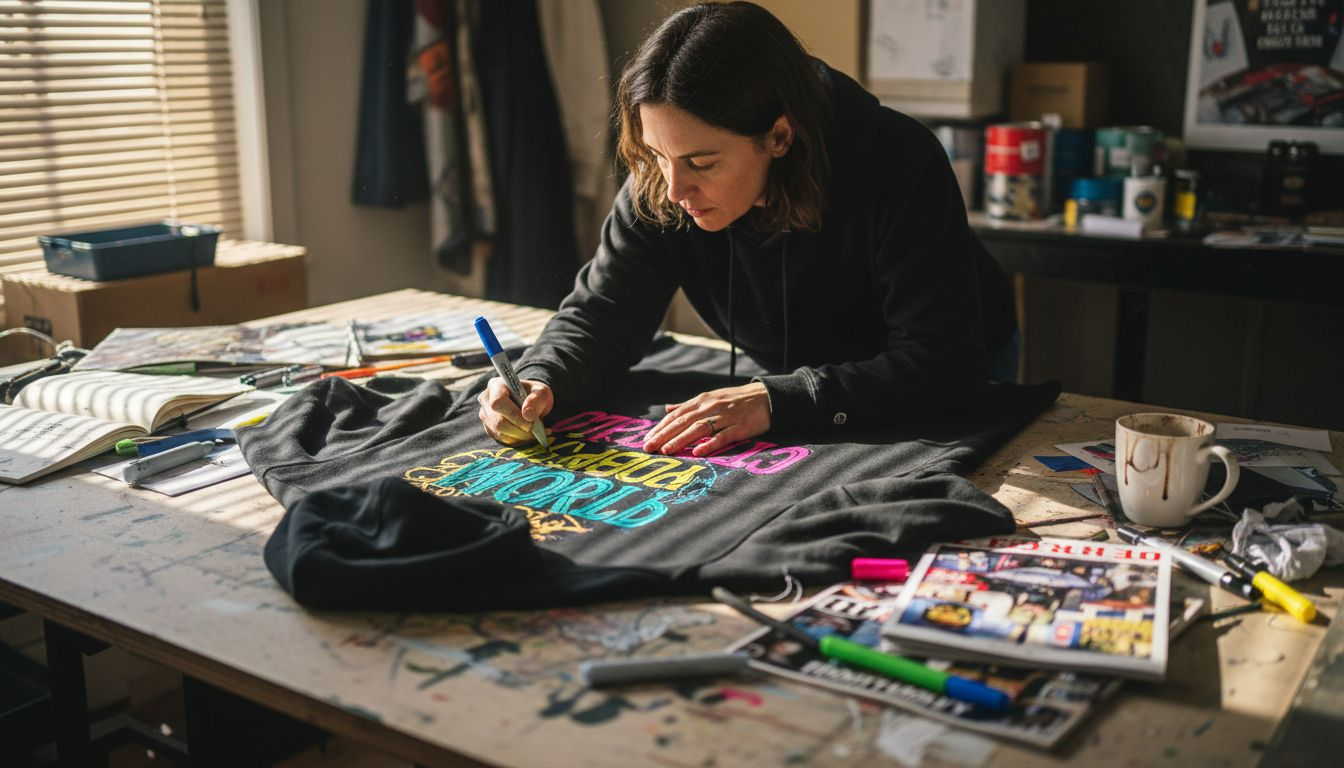
Contemporary streetwear graphic design represents a dynamic dialogue between visual art, social commentary, and personal identity. By strategically manipulating color, form, and symbolic imagery, designers create garments that are simultaneously aesthetic objects and powerful statements about individual and collective experiences.
Pro Tip: Develop your graphic design skills by studying street art, urban culture, and contemporary visual communication to create more authentic and impactful streetwear designs.
Collaboration Between Artists and Brands
Streetwear collaborations represent a dynamic fusion between artistic vision and commercial innovation, transforming clothing into a canvas for creative expression. These partnerships transcend traditional marketing strategies, creating unique platforms where independent artists and established brands can co-create groundbreaking design narratives.
The collaborative process in streetwear typically manifests through several strategic approaches:
- Limited Edition Collections: Producing exclusive, time-sensitive design runs
- Cross-Disciplinary Partnerships: Merging talents from different creative fields
- Cultural Commentary Designs: Creating pieces that challenge social narratives
- Emerging Artist Showcases: Providing platforms for underground creative talent
These collaborations serve multiple purposes beyond aesthetic innovation. They function as cultural dialogues, allowing brands to tap into fresh perspectives while providing artists unprecedented visibility and commercial opportunities. The symbiotic relationship enables both parties to expand their creative boundaries and connect with more diverse audiences.
Successful artist-brand collaborations require genuine mutual respect and a shared vision for creative expression. The most impactful partnerships emerge when both parties are willing to challenge conventional design boundaries, creating streetwear that serves as a dynamic medium for storytelling and social commentary.
Pro Tip: Research potential collaborators thoroughly, ensuring their artistic vision authentically aligns with your brand’s core aesthetic and cultural values.
Art-Driven Storytelling and Self-Expression
Streetwear transcends traditional fashion by transforming clothing into a powerful medium of personal narrative and cultural communication. Each garment becomes a canvas where individual experiences, social perspectives, and emotional landscapes are visually encoded through intricate design elements that speak volumes beyond mere fabric and thread.
The art of storytelling in streetwear manifests through multiple creative strategies:
- Symbolic Imagery: Embedding personal and collective narratives
- Color Psychology: Using chromatic choices to convey emotional states
- Texture and Composition: Creating visual metaphors through design
- Graphic Narrative Techniques: Translating complex experiences into visual language
These storytelling mechanisms allow wearers to communicate complex personal identities without uttering a single word. A carefully curated streetwear piece can represent cultural heritage, individual struggles, philosophical perspectives, or personal transformative journeys, functioning as a silent yet powerful form of self-expression.
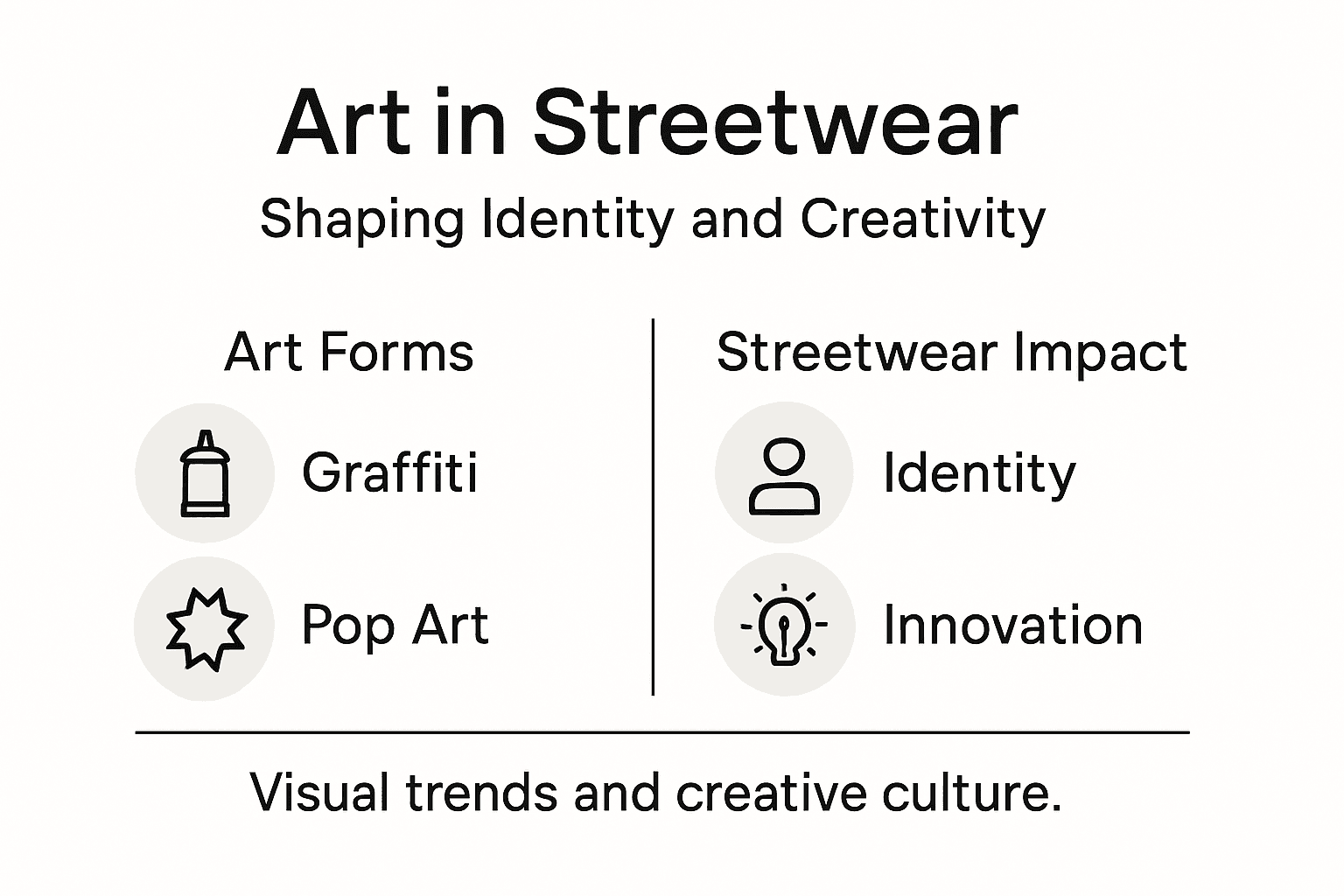
Moreover, art-driven storytelling in streetwear challenges traditional fashion paradigms by democratizing personal expression. It provides a platform where individuals from diverse backgrounds can construct and communicate their unique narratives, transforming clothing from a passive aesthetic choice into an active medium of personal and social discourse.
Pro Tip: Approach your streetwear selections as deliberate extensions of your personal narrative, choosing pieces that authentically represent your inner emotional landscape and cultural experiences.
Risks of Appropriation and Misrepresentation
Cultural appropriation in streetwear represents a complex challenge that demands critical examination of design origins, power dynamics, and historical context. The aesthetic trends that emerged from marginalized communities risk being commodified and stripped of their profound cultural significance, transforming meaningful expressions into superficial fashion statements.
The primary risks of cultural appropriation in streetwear manifest through several critical dimensions:
- Historical Erasure: Removing original cultural contexts
- Economic Exploitation: Profiting without acknowledging originators
- Symbolic Dilution: Reducing complex cultural expressions to trends
- Identity Misrepresentation: Superficial engagement with deep cultural narratives
Interdisciplinary research highlights that responsible streetwear engagement requires understanding and respecting the intricate cultural landscapes from which design elements emerge. True appreciation demands comprehensive knowledge of symbolic meanings, historical trajectories, and the lived experiences that inform creative expressions.
This table compares key risks of cultural appropriation in streetwear and strategies to address them:
| Risk Dimension | Potential Harm | Responsible Practice | Positive Outcome |
|---|---|---|---|
| Historical Erasure | Loss of cultural context | Provide design origin stories | Cultural narratives preserved |
| Economic Exploitation | Marginalizes originators | Share profits with source communities | Ethical fair compensation |
| Symbolic Dilution | Trivializes deep meanings | Collaborate with cultural representatives | Authenticity maintained |
| Identity Misrepresentation | Promotes stereotypes | Feature creators’ perspectives in collections | Accurate representation |
Transforming appropriation into meaningful cultural dialogue requires conscious effort from designers, brands, and consumers. This involves actively centering original creators, providing comprehensive historical context, and creating platforms that amplify authentic voices rather than extracting aesthetic elements without genuine understanding or respect.
Pro Tip: Always research the cultural origins of design elements and seek direct collaboration with community creators to ensure respectful and authentic representation.
Express Your Unique Identity Through Art-Driven Streetwear Today
The article highlights how streetwear is much more than clothing – it is a bold form of self-expression and cultural storytelling. If you struggle to find apparel that truly resonates with your personal narrative and artistic vision, you are not alone. Streetwear that embodies symbolic imagery, graphic storytelling, and innovative design can empower you to wear your identity proudly while fueling creative innovation. Discovering pieces that harmonize with your worldview and aesthetic goals is essential to making a statement that transcends fashion and becomes a powerful medium of communication.
Elevate your wardrobe with Tees – ELEDOasis that fuse art, symbolism, and street culture into visionary apparel.

Unleash your authentic style and join a community that celebrates individuality and artistic influence. Explore bold designs that communicate your story and inspire confidence only at ELEDOasis. Shop now and transform your clothing into impactful personal statements that awaken consciousness and demand attention.
Frequently Asked Questions
What is the role of art in streetwear?
Art in streetwear transforms clothing into a canvas for artistic expression, allowing individuals to communicate their identity, beliefs, and cultural narratives through their fashion choices.
How does graphic design influence streetwear?
Graphic design shapes streetwear by integrating typography and visual elements that convey complex social messages, turning garments into powerful cultural statements beyond mere aesthetics.
What are some common artistic influences in streetwear?
Common artistic influences in streetwear include urban street art, graffiti culture, hip hop aesthetics, and underground graphic design, each contributing to how social narratives and personal identities are expressed through clothing.
How can I ensure authentic representation in streetwear designs?
To ensure authentic representation in streetwear designs, it is important to research the cultural origins of design elements and collaborate directly with creators from those communities to respect and preserve deeper cultural meanings.