Streetwear Culture Definition: Self-Expression Through Style
Choosing an outfit should feel as bold as sharing your story with the world. For young urban adults who crave more than mainstream looks, streetwear today is a global movement of personal storytelling and cultural expression. No longer just about logos or trends, streetwear empowers you to break free from tradition, blend creativity with comfort, and build your own visual identity in a way that transcends city borders and speaks to your individuality.
Table of Contents
- What Streetwear Culture Means Today
- Roots and Evolution of Streetwear
- Key Features and Influences Explained
- Styles, Variations, and Global Impact
- Streetwear’s Role in Personal Identity
- Common Misconceptions and Styling Mistakes
Key Takeaways
| Point | Details |
|---|---|
| Transformation of Streetwear | Streetwear has evolved from an underground movement into a global phenomenon, becoming a medium of personal storytelling and cultural expression. |
| Cultural Significance | It reflects individual identity, rebellion, and creativity, serving as a canvas for social dialogue and personal narratives. |
| Global Variations | Different regions interpret streetwear uniquely, highlighting how it functions as a universal language of self-expression. |
| Personal Empowerment | Streetwear allows individuals to curate their identities, emphasizing authenticity over brand names and encouraging personal creativity. |
What Streetwear Culture Means Today
Streetwear culture has transformed from an underground movement into a global phenomenon that transcends traditional fashion boundaries. Today, it represents far more than clothing - it’s a powerful medium of personal storytelling and cultural expression. Streetwear’s global evolution demonstrates how fashion has become a language of identity for younger generations.
At its core, contemporary streetwear embodies several critical characteristics:
- Comfort as a fundamental design principle
- Emphasis on individual uniqueness
- Rejection of traditional fashion hierarchies
- Integration of cultural commentary
- Celebration of diverse community identities
Digital platforms and social media have dramatically accelerated streetwear’s reach, enabling creators and enthusiasts to connect across geographic boundaries. Generation Z has been particularly instrumental in reshaping streetwear, prioritizing authenticity, sustainability, and self-expression over mass-produced fashion trends.
Streetwear is no longer just clothing - it’s a global movement that speaks volumes about personal identity and social perspectives.
The democratization of fashion through streetwear means that individuals can now use clothing as a nuanced form of personal branding. Cultural expression through design has become a powerful tool for communicating complex personal narratives without uttering a single word.
Pro tip: Embrace streetwear as a form of personal art, mixing pieces that reflect your unique story and cultural background.
Roots and Evolution of Streetwear
Streetwear emerged from the vibrant underground cultures of the 1970s and 1980s, representing a radical departure from traditional fashion norms. Streetwear’s rebellious origins trace back to skateboarding, surf, and hip-hop communities, where clothing was more than just attire - it was a statement of identity and resistance.
The key pioneers of this movement included groundbreaking brands that embodied the streetwear ethos:
- Stussy: Blending surf and street aesthetics
- Supreme: Elevating urban fashion through limited releases
- FUBU: Representing cultural authenticity
- Adidas: Bridging athletic and street styles
These brands transformed streetwear from a niche subculture into a global phenomenon. Urban fashion transformation demonstrates how what began as practical, comfortable clothing for urban youth evolved into a powerful form of cultural expression.
Here’s how leading streetwear brands shaped the culture:
| Brand | Unique Contribution | Era of Influence |
|---|---|---|
| Stussy | Merged surf culture with urban fashion | 1980s to present |
| Supreme | Popularized limited drops and hype | 1990s to present |
| FUBU | Centered Black cultural identity | Late 1990s to 2000s |
| Adidas | Bridged sportswear and street style | 1980s to present |
Streetwear represents more than fashion - it’s a language of rebellion, creativity, and individual identity.
The 1990s and early 2000s saw streetwear break traditional fashion boundaries, with luxury brands eventually recognizing its cultural significance. Collaborations between underground streetwear labels and high-end fashion houses became increasingly common, signaling a profound shift in how clothing communicates personal and collective narratives.
Pro tip: Research the historical roots of your favorite streetwear brands to understand the deeper cultural significance behind their designs.
Key Features and Influences Explained
Streetwear is more than just clothing - it’s a complex cultural language that communicates identity, rebellion, and artistic expression. Cultural significance of streetwear reveals how deeply rooted this style is in social movements and creative communities.
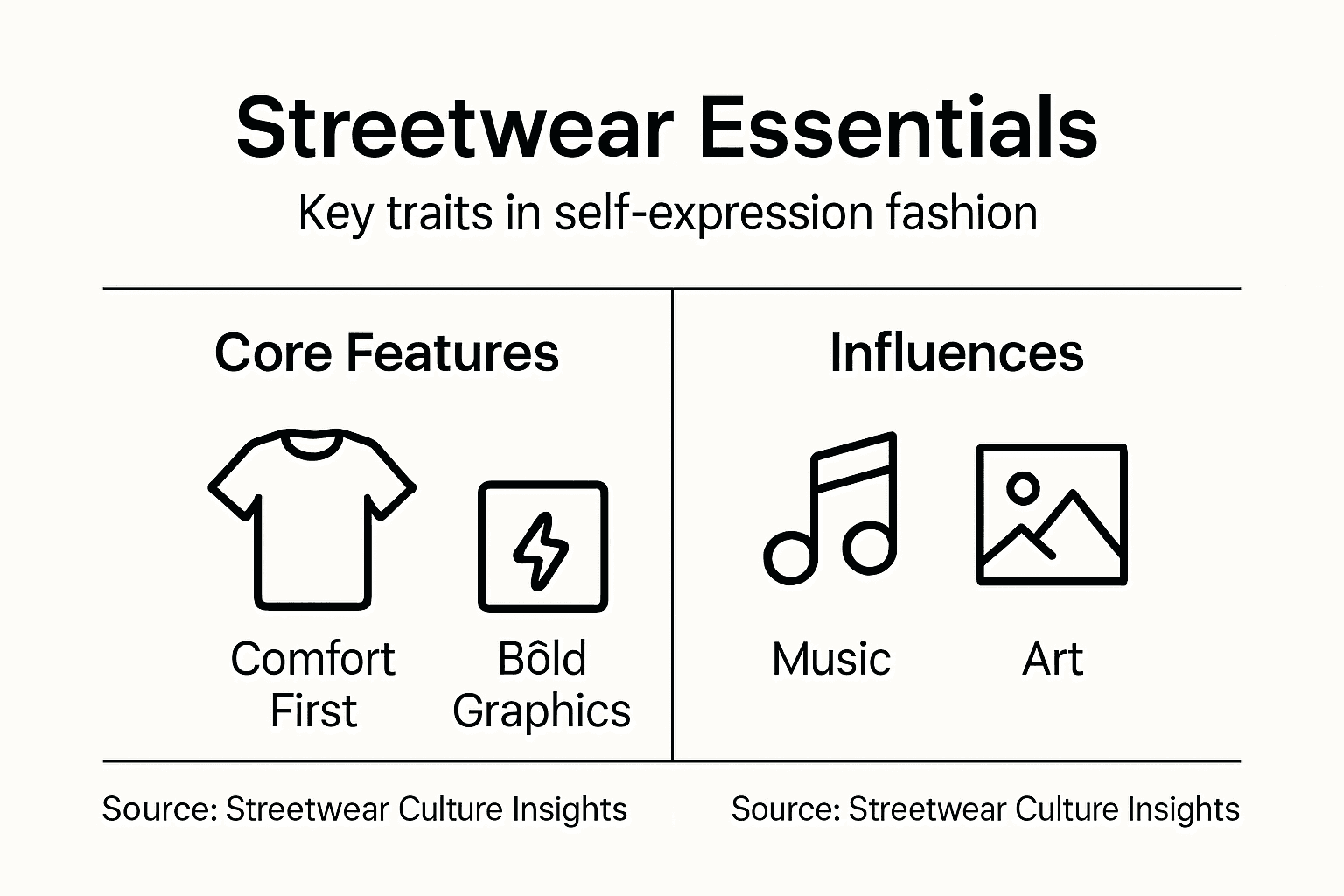
The defining characteristics of streetwear include several key elements:
- Bold, graphic-driven designs
- Emphasis on limited edition releases
- Strong connection to urban subcultures
- Prioritization of comfort and functionality
- Powerful branding and logo representation
- Authentic representation of individual and collective identities
These design principles reflect streetwear’s origins in hip-hop, skateboarding, and street art cultures. Each piece becomes a canvas for personal expression, challenging traditional fashion hierarchies and creating a platform for social dialogue.
Streetwear transforms clothing from a mere covering into a powerful medium of personal and cultural communication.
The influence of music, art, and social movements continues to shape streetwear’s evolution. Brands now recognize that consumers are seeking more than just clothing - they want narratives, connections, and statements that reflect their individual and collective experiences.
Pro tip: Curate your streetwear collection by understanding the cultural stories behind each piece, not just its aesthetic appeal.
Styles, Variations, and Global Impact
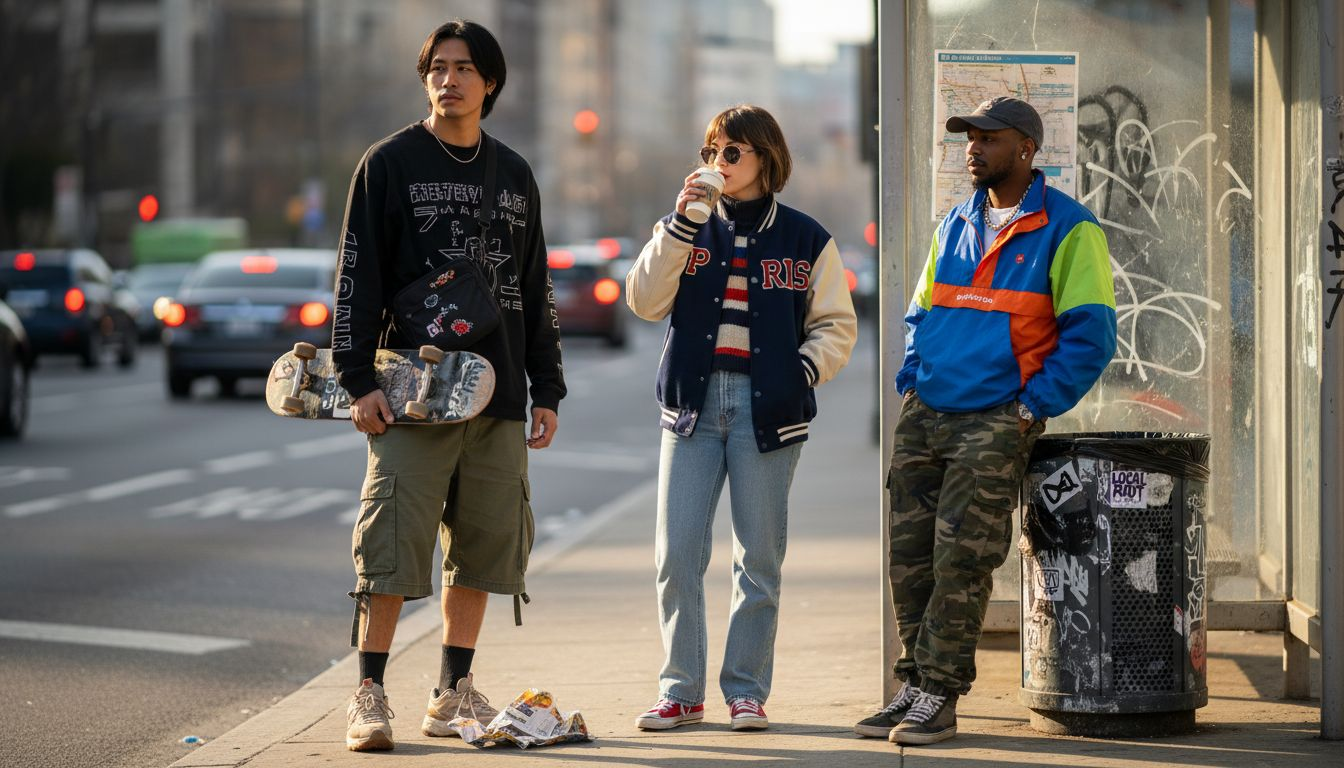
Streetwear has transcended its original urban roots to become a powerful global cultural phenomenon. Generation Z’s diverse streetwear influence has dramatically reshaped how fashion communicates identity across different regions and social contexts.
The global streetwear landscape reveals remarkable regional variations:
- North American: Bold, graphic-heavy designs
- Japanese: Minimalist, technical fabric innovations
- European: Avant-garde, experimental silhouettes
- African: Vibrant color palettes and traditional textile integration
- Latin American: Politically charged graphics and social commentary
These diverse interpretations demonstrate how streetwear serves as a universal language of self-expression, adapting to local cultural contexts while maintaining a core aesthetic philosophy. Global streetwear cross-pollination has created a rich, dynamic fashion ecosystem that celebrates both individual and collective identities.
Below is a quick overview of streetwear styles around the world:
| Region | Defining Aesthetic | Main Cultural Influence |
|---|---|---|
| North America | Bold graphics, oversized fits | Hip-hop and skate culture |
| Japan | Minimalism, tech fabrics | Street art and innovation |
| Europe | Avant-garde, experimental cuts | Youth movements and art scenes |
| Africa | Vibrant colors, rich textures | Heritage patterns and social pride |
| Latin America | Statement-making graphics | Political activism and commentary |
Streetwear is no longer just clothing - it’s a global dialogue told through fabric, design, and personal style.
Social media and digital platforms have accelerated this cultural exchange, enabling instantaneous trend transmission and collaborative creativity across continents. Music, art, and social movements continue to fuel streetwear’s evolution, making it a powerful medium for cultural communication and resistance.
Pro tip: Explore streetwear styles from different global regions to expand your understanding of fashion as a form of cultural storytelling.
Streetwear’s Role in Personal Identity
Streetwear transcends mere clothing, functioning as a powerful mechanism for personal storytelling and identity construction. Streetwear as identity performance reveals how individuals strategically use fashion to communicate complex personal narratives and social affiliations.
Key dimensions of identity expression through streetwear include:
- Emotional connection to specific brands
- Representation of cultural values
- Projection of inner creativity
- Demonstration of social belonging
- Challenge to traditional social norms
- Personal confidence amplification
Generation Z has particularly embraced streetwear as a nuanced form of self-representation. Identity construction through style demonstrates how clothing becomes a dynamic canvas for personal expression, allowing individuals to curate and communicate their unique identities.
Streetwear is not just what you wear - it’s a visual autobiography written without words.
The psychological power of streetwear lies in its ability to provide individuals with a tangible medium for exploring and expressing complex aspects of their personality. By carefully selecting pieces that resonate with their inner world, people transform clothing into a form of personal branding and cultural commentary.
Pro tip: Choose streetwear pieces that genuinely reflect your personal story, not just current trends.
Common Misconceptions and Styling Mistakes
Streetwar culture is often misunderstood, with numerous persistent myths that distort its true essence and accessibility. Challenging streetwear misconceptions reveals that this fashion movement is far more nuanced and inclusive than many realize.
Common misconceptions about streetwear include:
- It’s only for young people
- Requires expensive designer brands
- Must feature prominent logos
- Limited to specific body types
- Strictly follows rigid trend cycles
- Belongs exclusively to urban subcultures
Contrary to popular belief, streetwear is a democratic fashion form that welcomes diverse expressions of personal style. The key is understanding that authenticity trumps brand names, and individual creativity matters more than following prescriptive fashion rules.
Streetwear is about expressing your unique identity, not conforming to someone else’s expectations.
Styling mistakes often stem from misunderstanding streetwear’s fundamental philosophy. Individuals frequently overthink coordination, believing every piece must match perfectly or adhere to strict aesthetic guidelines. In reality, streetwear celebrates imperfection, mixing unexpected elements, and creating personal narratives through clothing.
Pro tip: Mix high and low-end pieces, prioritize comfort, and focus on how the clothing makes you feel rather than chasing trends.
Express Your Unique Story With Bold Streetwear That Speaks
The article highlights how streetwear is a powerful form of personal storytelling and cultural expression that challenges traditional fashion hierarchies while celebrating individuality. If you want to break free from generic trends and showcase your authentic self through style that carries deep meaning and emotional impact explore our visionary collection. At Eledoasis, you will find carefully crafted hoodies tees hats and accessories designed to empower your personal identity and let your clothing communicate who you truly are.

Step into a world where fashion meets art and symbolism and every piece contributes to your visual autobiography. Don’t settle for wearing what everyone else has choose distinctive streetwear that amplifies your voice and embraces your unique cultural narrative. Discover the bold styles that reflect your creativity and confidence at Eledoasis and start transforming your wardrobe into a statement of self-expression now.
Frequently Asked Questions
What is streetwear culture?
Streetwear culture is a global fashion movement that emphasizes personal storytelling and cultural expression through clothing. It reflects individual identity, rebellion against traditional fashion norms, and incorporates elements from various urban subcultures.
How has streetwear evolved over the years?
Streetwear has evolved from its underground origins in the 1970s and 1980s, rooted in skate and hip-hop cultures, to a mainstream global phenomenon. It has seen collaborations between high-end fashion brands and streetwear labels, reinforcing its cultural significance and impact on fashion.
What are the key characteristics of streetwear?
Key characteristics of streetwear include comfort, bold graphic designs, limited edition releases, and a strong connection to urban subcultures. It prioritizes individual expression and often includes powerful branding and logos.
How can I express my identity through streetwear?
You can express your identity through streetwear by curating a collection of pieces that resonate with your personal story and cultural values. Focus on comfort and authenticity, mixing various styles to create a unique narrative that reflects your individuality.
Recommended
- Street Fashion Trends: Expressing Identity Globally – ELEDOasis
- Lifestyle Fashion: Defining Style and Self-Expression – ELEDOasis
- Lifestyle Fashion: Defining Style and Self-Expression – ELEDOasis
- Symbolism in Streetwear: Unlocking Self-Expression – ELEDOasis
- Role of Fashion in Eyewear: Complete Guide – ministry of sight
- The Real Cost Of Fast Fashion Jewellery: Why Investing Matters