Symbolism in Street Fashion: Shaping Identity Today
Every time you pick up a graphic tee or lace up your favorite sneakers, you’re sending a message without saying anything out loud. For creative young adults worldwide, the appeal of street fashion runs deeper than trends—it’s about using clothes as a form of self-expression and connection. Symbolism in street fashion gives you the visual tools to shape your personal narrative, reflect your values, and signal community belonging every time you walk out the door.
Table of Contents
- Defining Symbolism In Street Fashion
- Major Types Of Symbols And Motifs
- Subculture Influences On Symbolic Style
- Identity, Self-Expression, And Social Impact
- Avoiding Appropriation And Choosing Meaningful Symbols
Key Takeaways
| Point | Details |
|---|---|
| Symbolism in Clothing | Street fashion conveys identity and values through clothing choices, serving as a visual language that communicates social belonging. |
| Influence of Subcultures | Fashion trends are rooted in historical subcultures, and understanding these origins can lead to more intentional style choices. |
| Social Impact of Fashion | Clothing choices can express personal values and influence broader social movements, promoting inclusivity and sustainability. |
| Appreciation vs. Appropriation | Understanding the cultural significance of fashion symbols is crucial to avoid appropriation and foster genuine cultural appreciation. |
Defining symbolism in street fashion
Street fashion isn’t just clothing. It’s a language. When you put on a hoodie with a specific graphic, wear vintage band tees, or layer pieces in particular ways, you’re communicating something about who you are, what you believe in, and which community you belong to. Symbolism in street fashion refers to the deeper meanings embedded in clothing choices. Your outfit becomes a visual statement that speaks before you ever open your mouth.
At its core, street fashion operates as a system of signs and symbols that carry cultural codes and social meanings. Think of your clothes as words in a visual vocabulary. A faded vintage Carhartt jacket signals something different than a pristine designer piece. Both say something about identity, but they’re communicating to different audiences. This is where the power lies. Street fashion allows you to curate your public image and express internal beliefs through external presentation. Goffman’s dramaturgy theory explains this perfectly: your outfit is your costume on the stage of daily life, and you’re performing your identity through what you wear.
What makes street fashion particularly potent is its connection to community and belonging. Streetwear functions as a communication tool that reinforces connection within brand communities and subcultures. When you wear specific brands, styles, or aesthetic combinations, you’re signaling membership to a group that shares your values. A skater wearing specific shoe brands and graphic tees signals alignment with skate culture. Someone wearing oversized, experimental silhouettes from independent designers signals involvement in the avant-garde fashion community. Each choice builds meaning through context. The same piece worn by different people in different contexts can symbolize entirely different things based on how it’s styled and who’s wearing it.
For you as a young adult navigating identity formation, understanding these symbolic layers matters more than ever. Your clothing choices aren’t frivolous. They’re acts of self-definition and cultural participation. When you intentionally choose pieces that reflect your artistic vision and values, you’re not just buying clothes. You’re constructing a visual narrative about who you are and what matters to you.
Pro tip: Start identifying what specific pieces or styles genuinely resonate with your values and aesthetic, rather than copying trends. Notice which combinations feel like an authentic extension of yourself, then build your personal uniform around those core elements.
Major types of symbols and motifs
Street fashion communicates through a visual vocabulary that’s incredibly specific and intentional. Different symbols carry weight in different contexts, and understanding these visual markers helps you decode what people are expressing through their clothes. The symbols aren’t random. They’ve been carefully built over decades through subcultures, brand identity, and community values. When you recognize these motifs, you unlock a deeper reading of what street fashion really means.
Logo and brand symbols form the foundation of streetwear communication. A visible Supreme box logo sends a completely different message than a subtle minimalist brand mark. Logos and brand motifs function as identity markers that signal both quality perception and social status within specific communities. Beyond just brand recognition, they represent belonging to a particular consumer tribe. Then you have color symbolism, which operates on both cultural and subcultural levels. Neon colors often signal visibility and rebellion, while muted earth tones communicate minimalism or vintage authenticity. Red carries aggression or power, black suggests mystery or formality, and pastel hues signal soft aesthetics or irony depending on context.
Typography and text-based symbols deserve their own category. Oversized block lettering, distressed fonts, and graffiti-inspired text all carry specific meanings rooted in hip-hop culture, skateboarding, and urban art movements. Streetwear symbols including typography and cultural references serve as visual shorthand for group membership and values. Graphic prints tell stories too. Band tees reference music allegiance, vintage movie graphics signal media nostalgia, and custom artwork from independent designers communicate support for specific artists and resistance to mainstream commercialization. Geometric patterns versus organic shapes, minimalist designs versus maximalist collages all signal different aesthetic philosophies and community memberships.
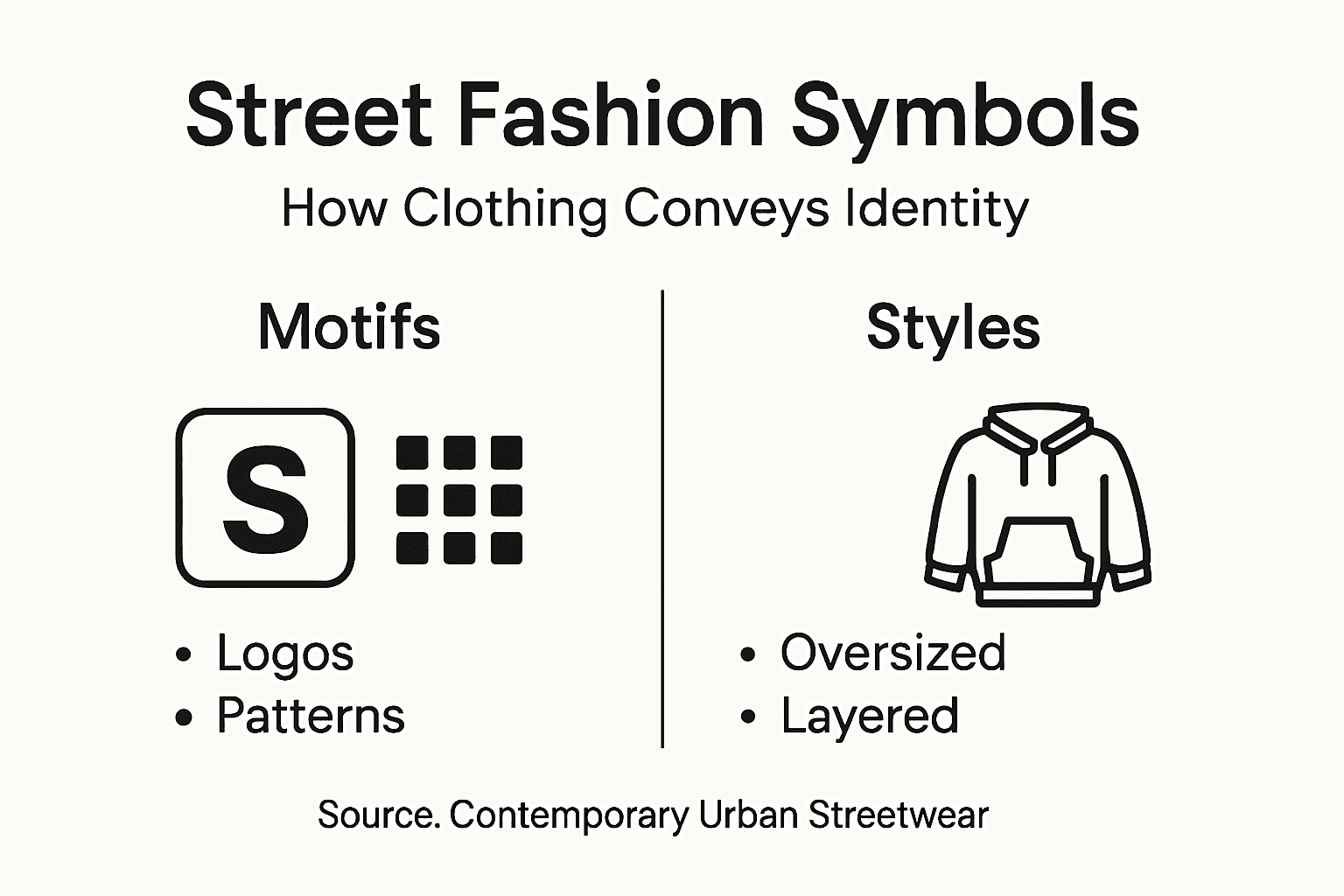
Stylistic motifs extend beyond individual pieces to how things are worn together. Oversized silhouettes communicate different values than fitted cuts. Layering complexity suggests artistic intentionality, while monochromatic simplicity suggests minimalist discipline. The condition of clothing matters too. Distressed, ripped, or heavily worn pieces deliberately signal authenticity and rejection of commercialism, while pristine pieces suggest different values. Understanding these categories doesn’t mean you need to follow them exactly. Rather, it means you can intentionally use them to express who you actually are instead of accidentally communicating something you don’t intend.
Here’s a summary of key symbols and what they communicate in street fashion:
| Symbol or Motif Type | Example Use | Message or Meaning | Community Association |
|---|---|---|---|
| Logo & Brand Symbols | Supreme box logo hoodie | Status, exclusivity | Streetwear, hype culture |
| Color Symbolism | Neon green windbreaker | Rebellion, visibility | Skate, rave, youth subcultures |
| Typography/Text Prints | Graffiti-style lettering | Artistic roots, resistance | Urban, hip-hop, skate communities |
| Stylistic Motifs | Oversized silhouettes | Creativity, individuality | Avant-garde, skate, music scenes |
| Condition of Clothing | Ripped vintage jeans | Authenticity, anti-establishment | Punk, grunge, DIY culture |
Pro tip: Before adding a piece to your rotation, ask yourself what specific symbol or motif it carries and whether that message aligns with what you actually want to communicate about yourself right now.
Subculture influences on symbolic style
Your street style isn’t invented in a vacuum. It’s built on decades of subcultural movements that pushed boundaries, rejected mainstream norms, and created visual languages to express rebellion, creativity, and belonging. When you wear something today, you’re often inheriting symbolic meanings from punk rockers, skateboarders, hip-hop artists, and countless other communities that came before you. Understanding these roots helps you wear with intention rather than accidentally appropriating symbols you don’t understand.
Punk culture laid the groundwork for intentional symbolic disruption in fashion. Safety pins, ripped clothing, and anti-fashion aesthetics weren’t accidents. They were deliberate statements rejecting commercialism and authority. Goth subculture took darkness and mystery and made them wearable identities. Hip-hop culture transformed street wear into high fashion, elevating sneakers, baggy silhouettes, and graphic tees as legitimate artistic expression. Skateboarding culture contributed durability, functionality, and a certain casual authenticity that still dominates streetwear aesthetics today. Fashion subcultures like punk, goth, hip-hop, and skate created distinct visual identities that expressed resistance, creativity, and community belonging as socio-political acts. Each movement developed specific symbolic codes that allowed members to identify each other and signal their values without speaking a word.
Compare common subcultural influences on street fashion symbolism:
| Subculture | Iconic Fashion Symbols | Key Values Represented | Symbolic Impact Today |
|---|---|---|---|
| Punk | Safety pins, ripped jeans | Rebellion, anti-authority | Used for shock, protest |
| Hip-Hop | Sneakers, baggy clothes | Artistic expression, status | Celebrates creativity |
| Skateboarding | Durable shoes, layered tees | Functionality, authenticity | Shapes casual street style |
| Goth | All-black, heavy accessories | Mystery, individuality | Inspires dark aesthetics |
What’s happening now is that these subcultural styles have merged with digital culture and global connectivity. Generation Z uses symbolic styles rooted in hip-hop and street cultures to express identity and social awareness, amplified through social media platforms where trends spread instantly across continents. You might reference '90s grunge aesthetics, '80s hip-hop silhouettes, or contemporary underground designer work all in a single outfit. The difference today is that these references are intentional remixes rather than strict adherence to one subcultural code. Young adults are creating hybrid identities, pulling from multiple subcultural languages to construct something uniquely personal. A skater wearing oversized vintage hip-hop graphics mixed with indie fashion brand pieces is actively composing their identity through these layered references.
The power here is awareness. When you recognize that ripped jeans reference punk resistance, that certain sneaker brands reference specific hip-hop eras, or that oversized silhouettes originate from functional skate culture, you make informed choices about what you’re saying. You can either engage with these references knowingly, subvert them, or create entirely new meanings. The symbolic language of street fashion belongs to you as much as to the subcultures that created it. Your responsibility is understanding what came before and deciding whether you’re continuing those conversations or starting new ones.
Pro tip: Research the origins of styles you love wearing. When you know whether a aesthetic comes from punk, hip-hop, skate, or goth culture, you can wear it with genuine understanding and respect instead of surface-level imitation.
Identity, self-expression, and social impact
When you get dressed each morning, you’re not just protecting yourself from the elements. You’re actively constructing how the world perceives you and how you perceive yourself. Street fashion operates as a powerful tool for identity formation and self-expression, especially during your formative young adult years when figuring out who you are matters intensely. The clothes you choose become external proof of your internal world. They signal your values, your community affiliations, your artistic sensibilities, and your resistance to or acceptance of mainstream culture. This isn’t superficial. This is identity work.
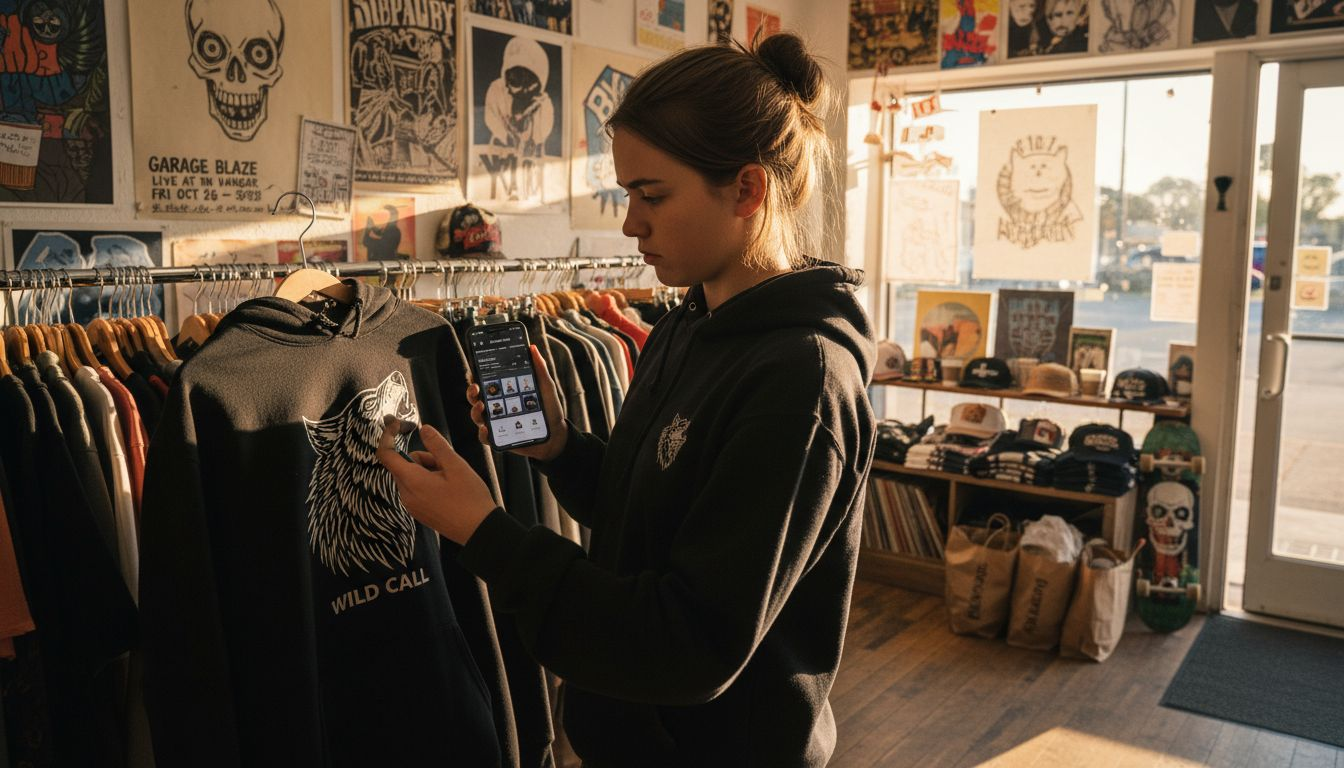
Streetwear enables individuals to perform and communicate their internal identities externally, acting as a social connector that shapes consumer behavior and creates collective cultural meanings through symbolic consumption. When you deliberately choose pieces that reflect your artistic vision, you’re claiming space in the world. You’re saying “I exist this way. This is real.” This act of self-expression through fashion directly impacts how you move through the world with confidence. Research shows that what you wear influences not just how others perceive you, but how you perceive yourself. Wearing clothes that genuinely represent your identity creates psychological alignment. You feel more like yourself. You move differently. You interact with more authenticity.
The social impact extends far beyond the individual. When young adults use street fashion to express values around sustainability, inclusivity, and authenticity, they’re influencing broader cultural conversations. Street fashion enables personal identity expression and social values, promoting inclusivity, authenticity, and sustainability while fostering community among diverse groups. Choosing independent designers over fast fashion conglomerates sends a message. Wearing vintage or thrifted pieces communicates environmental consciousness. Supporting Black-owned streetwear brands demonstrates racial solidarity. These choices ripple outward. Brands notice. Other young people notice. Cultural values shift. What started as personal identity expression becomes social movement. When enough people use fashion symbolism intentionally, mainstream culture has to reckon with what’s being communicated.
The most powerful aspect of street fashion symbolism is that it democratizes expression. You don’t need wealth or status to participate meaningfully. You need intention. A carefully curated vintage outfit from thrift stores can communicate more authenticity than designer pieces. Hand-customized graphics carry more weight than generic logos. Your willingness to be visibly yourself through your clothing creates permission for others to do the same. This collective act of authentic self-expression builds communities that feel real and substantive rather than performative. You’re shaping not just your identity, but the cultural landscape for everyone around you.
Pro tip: Choose pieces that reflect your genuine values and artistic preferences rather than trend cycles, and notice how wearing authentic self-expression changes your confidence and how others respond to you.
Avoiding appropriation and choosing meaningful symbols
There’s a critical difference between appreciation and appropriation, and understanding that difference matters deeply when you’re building your street style identity. Appropriation happens when you adopt symbols, styles, or cultural elements without understanding their history, significance, or the communities they come from. You wear them as aesthetic choices without acknowledging or respecting where they originated. Appreciation, by contrast, requires education, respect, and genuine engagement with the culture and community behind what you’re wearing. It means understanding the story and choosing to honor it rather than exploit it. When you wear something with awareness and intention, you become a bridge between communities rather than a poacher of culture.
The problem with unknowing appropriation is that it erases history and perpetuates harm. When a symbol represents struggle, resistance, or spiritual significance to a community, wearing it as a trendy accessory flattens that meaning. You’re reducing complex cultural identity to aesthetic decoration. Cultural appropriation in streetwear occurs especially when consumers adopt styles without understanding their history and cultural significance, making education and awareness crucial for shifting from appropriation to appreciation. This is why your homework matters. Before you wear something that signals membership to a culture that isn’t yours, take time to learn where it comes from. Who created it and why? What does it mean to the communities connected to it? What’s the relationship between that community and the dominant culture that might make wearing this symbol complicated or harmful?
Contextual knowledge and respectful cultural exchange ensure symbols are used ethically and meaningfully in fashion. This means having conversations, reading from voices within those communities, and making informed decisions rather than assumptions. For example, wearing a Native American inspired pattern requires understanding whether you’re supporting Indigenous designers or perpetuating stereotypes. Wearing religious symbols demands respect for what they mean spiritually. Appropriating hip-hop aesthetics without acknowledging hip-hop’s role in Black liberation is exploitation. The difference is accountability. When you choose symbols meaningfully, you’re willing to answer “why am I wearing this and what does it represent?” You can name the community, the history, and your relationship to it. That’s how you move from appropriation to genuine respect.
Choosing meaningful symbols means building your aesthetic from pieces that genuinely resonate with your own identity and values. Wear things because they align with what you actually believe, not because they’re trending. Support designers from communities whose work you genuinely appreciate and want to help elevate. When you explore symbolism in fashion examples, seek out stories from creators themselves rather than filtered through mainstream interpretation. This approach makes your street style more authentic and ensures you’re contributing to cultural elevation rather than extraction.
Pro tip: Before adding any culturally significant piece to your wardrobe, spend fifteen minutes researching its origins and significance, then ask yourself if you can genuinely speak to its meaning and how you’re honoring the communities connected to it.
Express Your Identity Boldly Through Streetwear
Navigating the complex language of street fashion symbolism can be challenging when you want your clothes to truly reflect who you are. You might struggle with finding pieces that carry genuine meaning and resonate with your personal values rather than just following fleeting trends. The article highlights how thoughtful choices in logos, colors, and styles enable authentic self-expression and foster community connection. This is where Eledoasis.com empowers you. We offer a carefully curated selection of streetwear that blends artistic vision with symbolism designed to match your individuality and respect cultural origins.
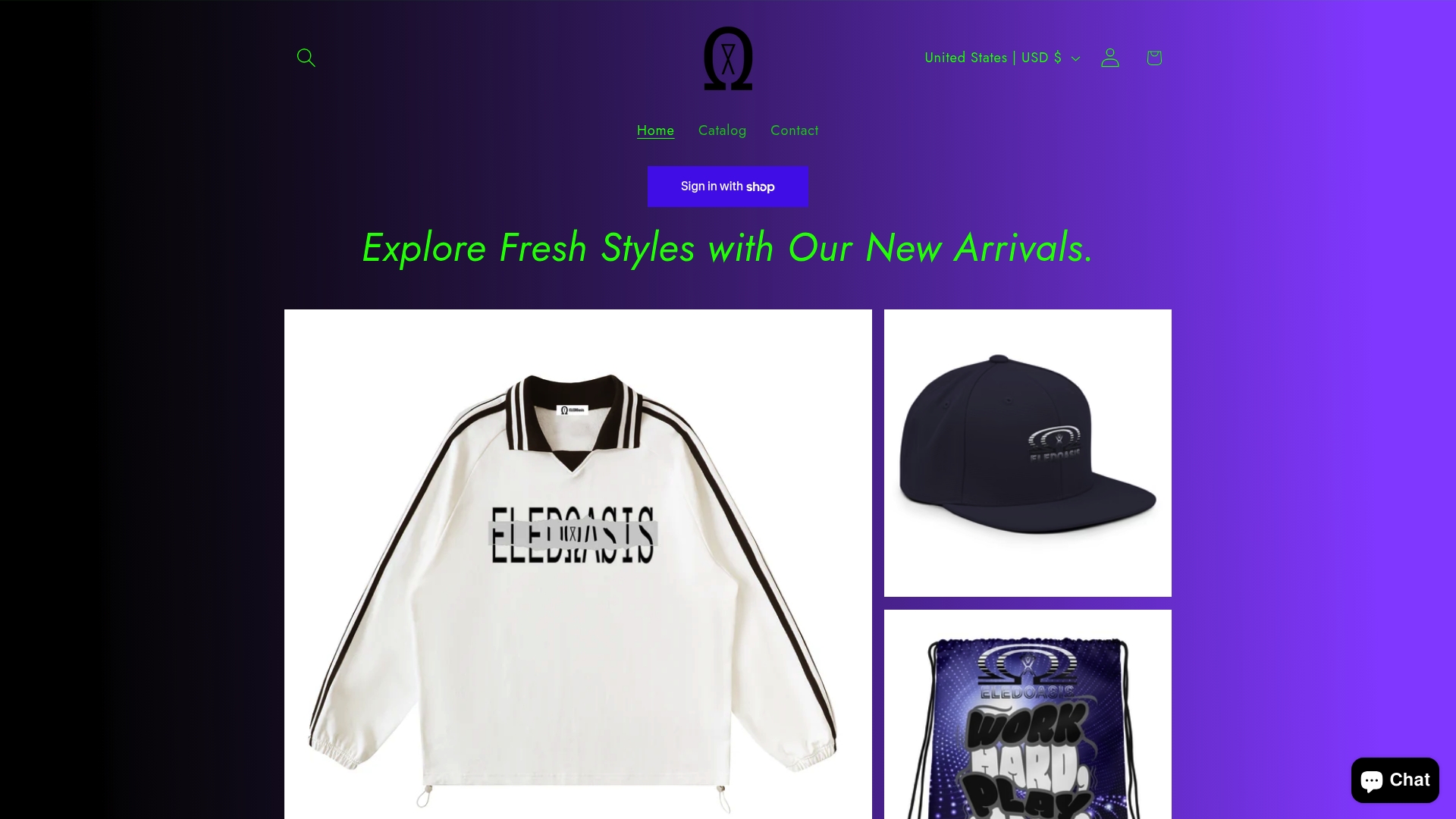
Start building a wardrobe that speaks your truth with bold, visionary apparel that merges art and meaning in every stitch. Explore hoodies, tees, and accessories that allow you to perform your identity authentically while honoring the rich cultural roots behind street style. Don’t settle for surface-level trends. Visit Eledoasis.com now and choose pieces that carry stories worth telling. Your style is your statement—make it count today.
Frequently Asked Questions
What is symbolism in street fashion?
Symbolism in street fashion refers to the deeper meanings embedded in clothing choices, allowing individuals to communicate their identity, beliefs, and community affiliations through their outfits.
How do different clothing styles convey cultural significance?
Different clothing styles convey cultural significance through symbols like logos, colors, typography, and patterns. Each has unique meanings and associations based on their historical and cultural contexts.
Why is understanding subcultures important in street fashion?
Understanding subcultures is crucial because they shape the symbolic meanings of fashion items. Recognizing these influences helps individuals wear styles with intention and respect for their origins.
How can I avoid cultural appropriation in my street fashion choices?
To avoid cultural appropriation, research the origins and significance of the symbols and styles you wish to wear. Engage with the communities connected to the culture and make informed, respectful choices.