What Is Alternative Fashion and Why It Matters
Most mainstream trends fail to recognize how alternative fashion empowers American youth and global tastemakers to push against conformity. Nearly 60 percent of young adults choose streetwear not just for style, but for personal self-expression and cultural identity. Alternative styles like punk, goth, and cyberpunk give you tools to stand out, make a statement, and challenge commercial norms in bold ways. Discover what sets these movements apart from ordinary fashion and learn how symbolic clothing choices create radical conversations.
Table of Contents
- Defining Alternative Fashion And Core Concepts
- Major Alternative Fashion Styles Explained
- Key Characteristics And Signature Elements
- Role Of Self-Expression And Identity
- Misconceptions And Mainstream Influences
Key Takeaways
| Point | Details |
|---|---|
| Alternative Fashion as Self-Expression | Alternative fashion serves as a powerful mode of self-expression that challenges mainstream norms through distinctive visual languages. |
| Cultural Significance | Each alternative fashion style embodies cultural resistance and social commentary, revealing deeper narratives behind aesthetic choices. |
| DIY Principles | Do-it-yourself customization is fundamental, allowing individuals to create unique clothing pieces that reflect personal creativity and challenge mass production. |
| Misconceptions of Rebellion | Alternative fashion is often misunderstood as mere rebellion; it is instead a complex form of identity construction and cultural dialogue. |
Defining Alternative Fashion and Core Concepts
Alternative fashion represents a powerful mode of self-expression that deliberately challenges mainstream aesthetic norms. Alternative fashion styles emerge from subcultures that reject conventional clothing trends, instead prioritizing individual identity and cultural rebellion through distinctive visual languages.
At its core, alternative fashion functions as a visual rebellion against standardized commercial clothing. These styles — spanning goth, punk, hip hop, and emo aesthetics — communicate deeper societal critiques through strategic clothing choices. Symbolic garments serve as personal statements, transforming fashion from mere fabric into a dynamic communication platform where individuals broadcast their values, experiences, and resistance to normative social expectations.
The philosophy behind alternative fashion extends far beyond clothing. Cultural expressions of resistance are embedded in every design choice, from color palettes to fabric selections. Practitioners often embrace do-it-yourself principles, creating unique pieces that reject mass-produced uniformity. This approach transforms fashion into an art form where personal creativity supersedes commercial trends, allowing individuals to craft authentic representations of their inner worlds.
Pro tip: Experiment with mixing alternative fashion elements gradually, starting with accessories or statement pieces that feel comfortable and authentic to your personal style.
Major Alternative Fashion Styles Explained
Alternative fashion subcultures represent complex visual languages that transcend traditional clothing, embodying powerful statements of cultural identity and resistance. These diverse styles emerge from unique musical, social, and political movements, each with distinctive aesthetic principles that challenge mainstream fashion norms.
Four primary alternative fashion styles dominate the landscape: punk, goth, grunge, and cyberpunk. Punk fashion originated in the 1970s, characterized by ripped clothing, leather jackets, safety pins, and provocative graphic elements that symbolize anti-establishment rebellion. Goth style, by contrast, embraces dark, Victorian-inspired aesthetics with black clothing, intricate accessories, and a melancholic visual narrative that explores themes of romanticism and emotional depth.
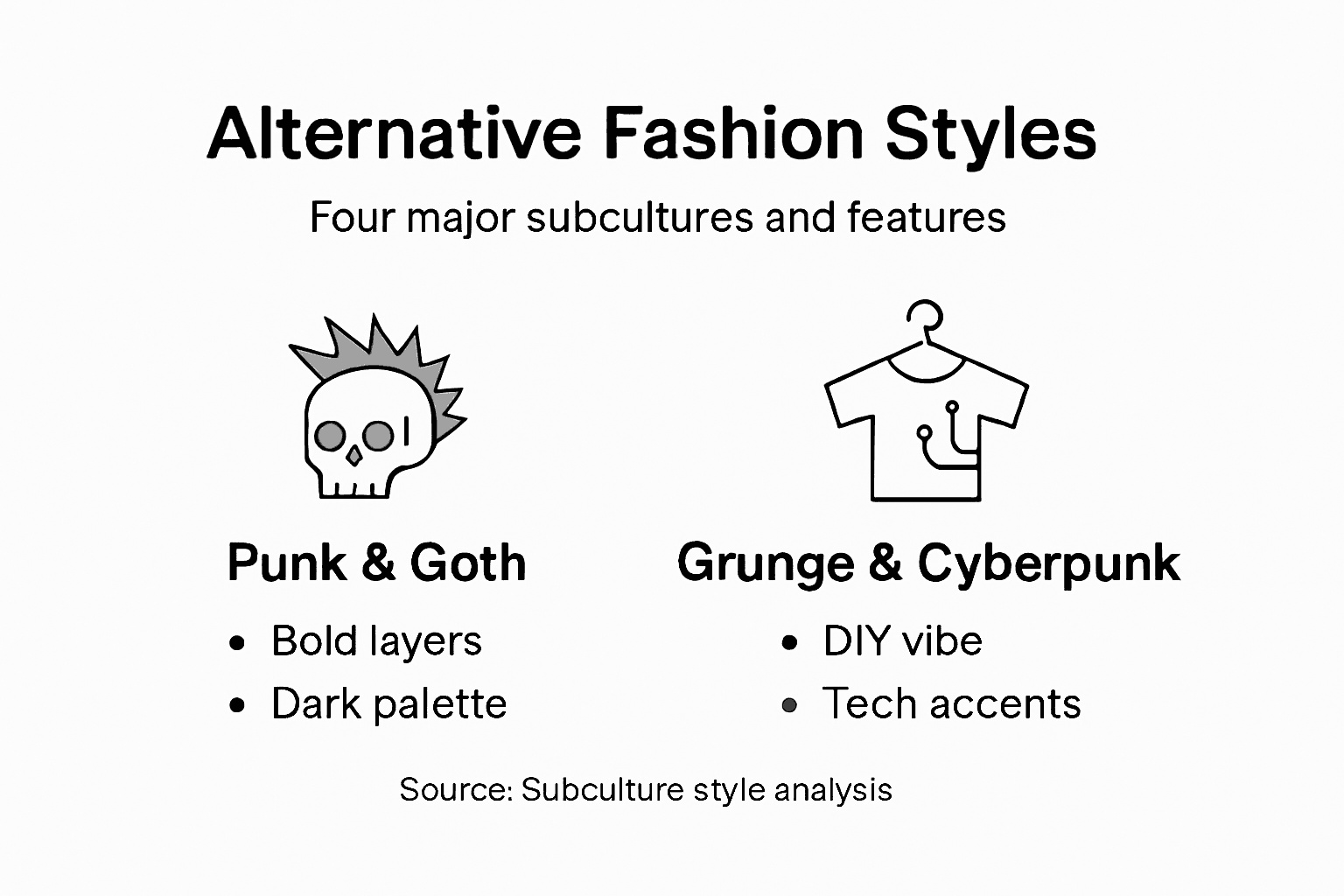
Diverse subculture fashion movements like grunge and cyberpunk further expand the alternative fashion spectrum. Grunge emerged from 1990s alternative rock, featuring oversized flannel shirts, distressed denim, and a deliberately unkempt aesthetic that rejected consumer culture. Cyberpunk represents a futuristic approach, blending high-tech elements with industrial design, characterized by metallic fabrics, unconventional silhouettes, and technology-integrated clothing that reflects a dystopian, tech-driven worldview.
Here is a comparison of four major alternative fashion styles and their unique influences:
| Style | Origin Influence | Key Visual Element | Core Cultural Message |
|---|---|---|---|
| Punk | 1970s music/politics | Ripped clothing, pins | Anti-establishment rebellion |
| Goth | Victorian/romantic | Black lace, ornate details | Romanticism and introspection |
| Grunge | 1990s alt rock | Oversized flannel, denim | Rejection of consumer culture |
| Cyberpunk | Tech dystopias | Metallics, tech-integrated | Futurism and tech critique |
Pro tip: Research the historical and cultural context of different alternative fashion styles to understand the deeper meanings behind their unique aesthetic choices.
Key Characteristics and Signature Elements
Alternative fashion characteristics represent a complex visual language that goes beyond simple clothing choices. These styles function as powerful forms of personal expression, combining distinctive aesthetic elements with deep cultural and philosophical statements that challenge mainstream norms.
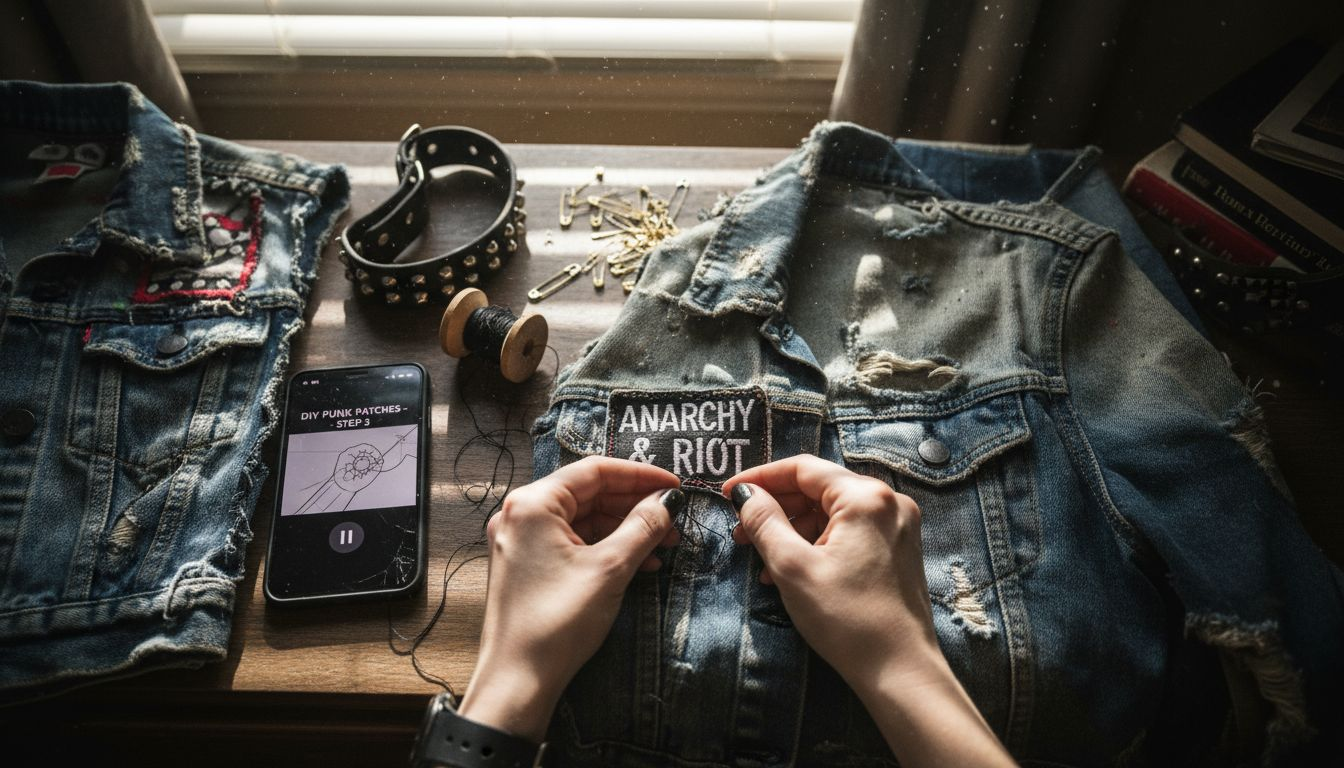
The signature elements of alternative fashion are both visually striking and symbolically profound. Accessories play a crucial role, with bold embellishments like studded leather, intricate chains, and unconventional jewelry serving as key markers of identity. Diverse fashion aesthetics typically incorporate layered textures, dark color palettes, and provocative design elements that communicate rebellion and individual creativity. Each subculture within alternative fashion develops its own unique symbolic language, from punk’s safety pins and torn fabrics to goth’s elaborate Victorian-inspired accessories.
Do-it-yourself (DIY) customization stands as a fundamental principle across alternative fashion styles. Practitioners frequently transform thrifted or second-hand clothing, adding personal modifications like hand-painted designs, strategic tears, unique patches, or unconventional fabric combinations. This approach not only creates unique garments but also directly challenges mass-production culture and celebrates individual artistic expression. The practice extends beyond mere fashion, representing a broader ethos of personal empowerment and creative resistance against standardized commercial aesthetics.
Pro tip: Start building your alternative fashion style by collecting unique vintage pieces and learning basic DIY clothing modification techniques.
Role of Self-Expression and Identity
Fashion as identity construction represents a profound mechanism through which individuals communicate their innermost beliefs, values, and personal narratives. Alternative fashion transcends mere clothing selection, functioning as a powerful visual language that allows wearers to articulate complex aspects of their personality that words often cannot capture.
The psychological dimensions of alternative fashion run deep, with personal identity emerging as a central theme. Each clothing choice becomes a deliberate statement, transforming garments into personal manifests of inner experiences. Digital fashion expressions have further expanded this concept, particularly among younger generations who utilize platforms like social media to broadcast their unique aesthetic identities. These digital spaces provide unprecedented opportunities for individuals to experiment with and showcase their evolving sense of self, creating dynamic narratives through style.
Beyond individual expression, alternative fashion serves as a critical tool for social belonging and cultural resistance. By selecting specific styles, accessories, and aesthetic approaches, practitioners signal membership in particular subcultures while simultaneously challenging mainstream aesthetic norms. This process of identity construction is inherently political, transforming personal style into a form of silent yet potent social commentary that speaks volumes about individual values, experiences, and worldviews.
The table below summarizes how alternative fashion subcultures use self-expression:
| Subculture | Identity Signal | Method of Customization | Community Connection |
|---|---|---|---|
| Punk | Visual protest | DIY patches and paintwork | Music and social activism |
| Goth | Emotional themes | Layered jewelry and dark makeup | Alternative clubs and arts |
| Grunge | Laid-back persona | Distressed, thrifted garments | Music scenes and social hubs |
| Cyberpunk | Futurist identity | Tech accessories and neon style | Online and tech groups |
Pro tip: Develop your alternative fashion identity by exploring multiple subcultures and experimenting with styles that genuinely resonate with your personal experiences and emotional landscape.
Misconceptions and Mainstream Influences
Alternative fashion stereotypes often misrepresent these styles as simple acts of rebellion, overlooking their profound cultural and personal significance. These reductive perspectives fail to recognize the nuanced ways individuals use fashion as a complex form of self-expression and social commentary, reducing rich aesthetic languages to superficial gestures of nonconformity.
The mainstream fashion industry has simultaneously appropriated and misunderstood alternative fashion’s core principles. Commodification frequently strips these styles of their original context, transforming meaningful cultural expressions into marketable trends. Media representations of alternative fashion typically rely on narrow stereotypes, associating these styles with criminality, hedonism, or social deviance, while ignoring the deeply personal narratives and creative philosophies that drive individual style choices.
Contrary to popular belief, alternative fashion is not about wholesale rejection of mainstream culture, but about creating dialogue and challenging aesthetic norms through strategic visual communication. These styles represent sophisticated forms of cultural critique, where clothing becomes a medium for exploring identity, challenging social expectations, and expressing complex personal experiences. The ongoing tension between alternative fashion’s subversive roots and its increasing mainstream visibility demonstrates the dynamic, evolving nature of personal style as a form of social expression.
Pro tip: Challenge your preconceptions about alternative fashion by exploring its diverse styles with an open mind and genuine curiosity.
Express Your True Self Through Alternative Fashion with Eledoasis
The article highlights how alternative fashion is more than just style — it is a powerful form of self-expression and identity built on cultural resistance and personal creativity. If you are searching for bold, visionary apparel that challenges mainstream fashion and truly reflects your unique worldview, then discovering pieces that combine art, symbolism, and individuality is essential. Alternative fashion thrives on embracing distinctiveness and rejecting uniformity, which perfectly aligns with the exclusive streetwear-inspired collections at Eledoasis. Here you will find statement-making hoodies, tees, and accessories that speak to your inner boldness and awaken consciousness through fashion.
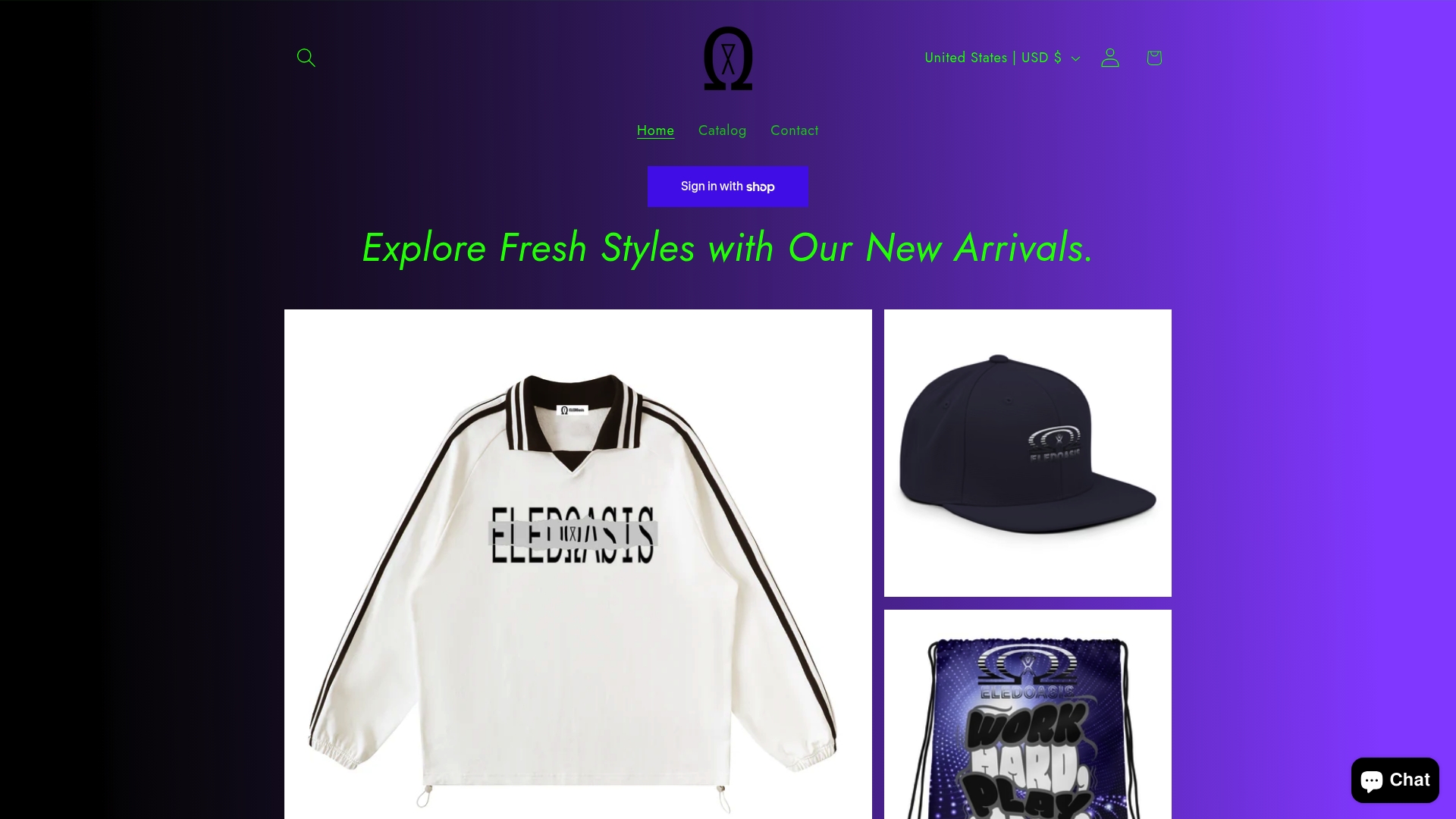
Unlock your personal style with apparel designed for fashion-forward individuals who seek authentic self-expression. Don’t settle for ordinary when you can wear pieces that echo the alternative fashion ethos of rebellion, creativity, and meaningful identity. Start your journey now at Eledoasis and explore how you can elevate your wardrobe with visionary streetwear that stands out and connects deeply to your lifestyle and beliefs. Visit the site to shop exclusive collections and make your fashion statement today.
Frequently Asked Questions
What is alternative fashion?
Alternative fashion is a mode of self-expression that challenges mainstream aesthetic norms. It comprises styles from various subcultures, such as punk, goth, and grunge, and focuses on individual identity and cultural rebellion through unique visual languages.
What are the key characteristics of alternative fashion?
Key characteristics of alternative fashion include bold accessories, layered textures, dark color palettes, and a strong emphasis on DIY customization. Each subculture within alternative fashion has its own symbolic language, often using clothing to represent personal beliefs and cultural commentary.
How does alternative fashion serve as a form of self-expression?
Alternative fashion functions as a visual language, allowing individuals to express their beliefs, values, and personal narratives through clothing choices. It enables wearers to convey complex aspects of their personality that words may not capture effectively.
Why is the role of DIY important in alternative fashion?
DIY customization is fundamental to alternative fashion as it allows individuals to create unique pieces that challenge mass production. By modifying thrifted or second-hand clothing, practitioners celebrate personal creativity and resist standardized commercial aesthetics.