What Is Sustainable Streetwear – Impact on Urban Fashion
Resetting your wardrobe means more than upgrading your style. For fashion-forward young adults in cities from New York to Tokyo, finding bold clothing that supports environmental responsibility can feel like a challenge. Sustainable streetwear blends expressive urban fashion with eco-friendly design, giving you the freedom to showcase your individuality while contributing to ethical and environmental causes. Discover how new materials, transparent standards, and a focus on self-expression are transforming the future of streetwear.
Table of Contents
- Defining Sustainable Streetwear and Its Roots
- Materials and Processes Shaping Eco Streetwear
- Fashion, Self-Expression, and Sustainability Balance
- Certifications, Standards, and Label Transparency
- Common Challenges and How to Shop Smart
Key Takeaways
| Point | Details |
|---|---|
| Sustainable Streetwear Defined | This movement emphasizes eco-friendly materials and ethical production, merging urban fashion with environmental consciousness. |
| Principles of Sustainable Production | Key strategies include using recycled materials, minimizing resource consumption, and adopting fair labor practices. |
| Consumer Empowerment | Buyers are encouraged to select brands with transparency and verified certifications, promoting genuine environmental responsibility. |
| Navigating Challenges | Consumers must evaluate brands carefully, focusing on actual sustainability practices to avoid greenwashing and ensure impactful choices. |
Defining Sustainable Streetwear and Its Roots
Sustainable streetwear represents a revolutionary intersection of urban fashion, ethical production, and environmental consciousness. At its core, this movement transforms traditional clothing manufacturing by prioritizing eco-friendly materials, responsible manufacturing processes, and a radical reimagining of fashion’s environmental impact. Conscious fashion principles have dramatically reshaped how young urban consumers think about style and sustainability.
The roots of sustainable streetwear trace back to grassroots environmental movements and counterculture fashion communities that began challenging industrial clothing production in the late 1990s and early 2000s. These early pioneers recognized that fashion could be both aesthetically compelling and environmentally responsible. Their philosophy centered on several key principles:
- Utilizing recycled and organic materials
- Minimizing water and energy consumption during production
- Supporting fair labor practices
- Creating clothing designed for durability and longevity
- Reducing textile waste through innovative design strategies
Today’s sustainable streetwear brands are not just selling clothing; they’re selling a comprehensive lifestyle philosophy that connects personal style with global environmental stewardship. These designers understand that young urban consumers want more than just trendy apparel - they want clothing that reflects their values and commitment to planetary health.
Sustainable streetwear goes beyond traditional eco-friendly fashion by incorporating urban aesthetic sensibilities, street culture influences, and cutting-edge design techniques. Unlike traditional sustainable clothing lines that often feel bland or utilitarian, these brands prove that environmental responsibility and bold, expressive style can coexist seamlessly.
Sustainable streetwear isn’t just a trend - it’s a fundamental reimagining of fashion’s relationship with our planet.
Pro Tip: When exploring sustainable streetwear, look for brands that transparently communicate their environmental practices and material sourcing strategies.
Materials and Processes Shaping Eco Streetwear
Sustainable streetwear is revolutionizing fashion through innovative materials and cutting-edge manufacturing processes that dramatically reduce environmental impact. Emerging bio-based materials are transforming how clothing is designed, produced, and consumed, offering new possibilities for eco-conscious urban fashion.
The core of sustainable streetwear manufacturing involves several critical material and production strategies:
- Utilizing natural and recycled fibers
- Implementing low-water and low-energy production techniques
- Developing biodegradable synthetic alternatives
- Reducing chemical treatments and toxic dyes
- Creating modular designs for extended clothing lifecycle
Innovative biomaterials are at the forefront of this transformation. Researchers are developing advanced materials that combine performance, aesthetics, and environmental responsibility. Nanotechnology and biomimicry innovations are enabling streetwear brands to create fabrics with enhanced durability, reduced environmental footprint, and remarkable functional properties.
Circular economy principles are driving radical changes in streetwear production. Designers are now focusing on creating clothing that can be easily recycled, repaired, or biodegraded, moving away from the traditional linear ‘take-make-dispose’ model. This approach requires rethinking every stage of the production process, from material selection to end-of-life management.
Sustainable streetwear is not just about changing materials - it’s about reimagining the entire fashion ecosystem.
Pro Tip: When shopping for sustainable streetwear, look for transparent supply chains and certifications that verify environmental and ethical production standards.
Fashion, Self-Expression, and Sustainability Balance
Sustainable streetwear represents a powerful intersection between personal identity and environmental consciousness, challenging traditional notions of fashion consumption. Sustainable fashion education reveals how individual style can become a meaningful statement of ecological awareness and personal values.
The core principles of self-expression through sustainable fashion include:
- Rejecting mass-produced, disposable clothing
- Celebrating individual creativity through conscious choices
- Supporting ethical brands with transparent production
- Investing in versatile, long-lasting pieces
- Expressing personal values through material selections
Modern consumers are increasingly viewing fashion as a form of personal activism. By choosing sustainable streetwear, individuals communicate their commitment to environmental stewardship without sacrificing personal style. Ethical consumption frameworks empower people to create unique looks that reflect both aesthetic preferences and deeper ecological principles.
This approach transforms fashion from a purely aesthetic experience into a holistic expression of personal identity. Sustainable streetwear allows individuals to curate wardrobes that tell a story - not just about their style, but about their worldview, values, and commitment to global responsibility.
Personal style is no longer just about looking good - it’s about doing good.
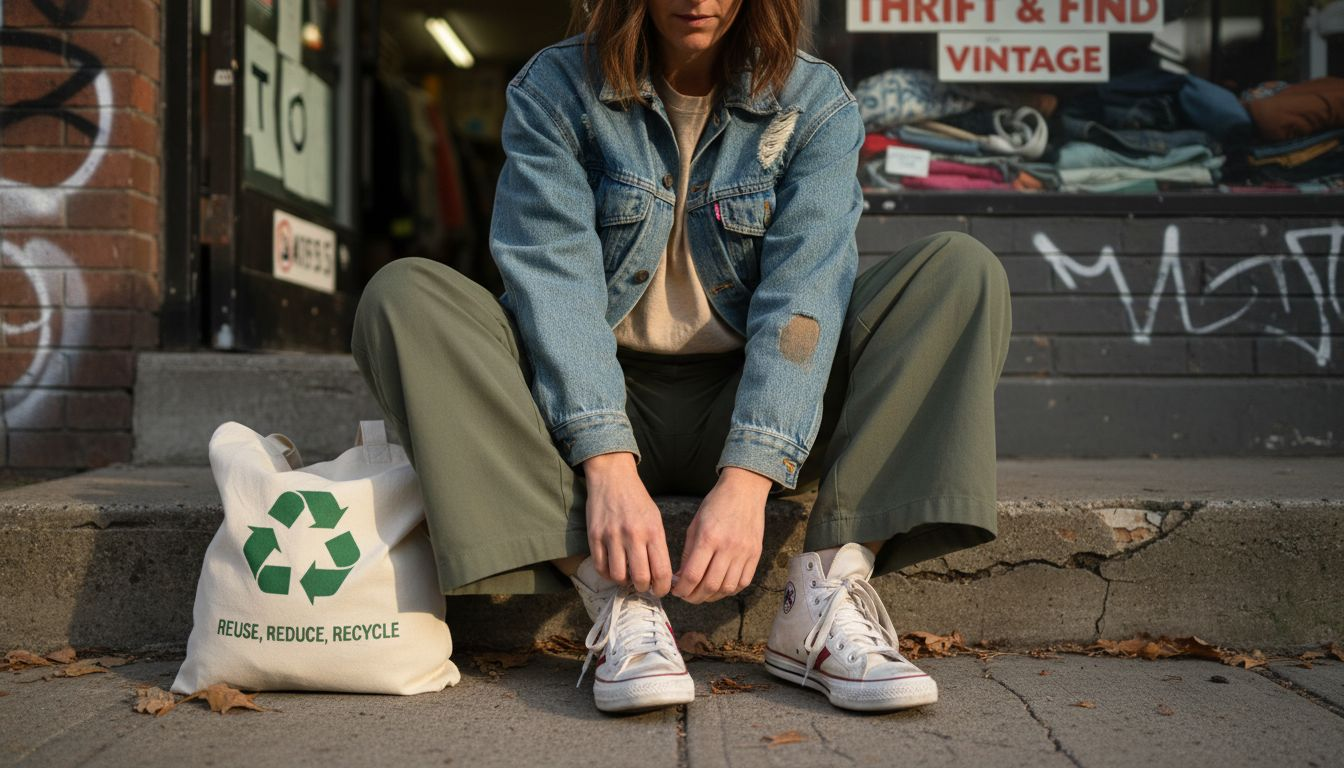
Pro Tip: Mix vintage and sustainably produced pieces to create a unique wardrobe that tells your personal sustainability story.
Certifications, Standards, and Label Transparency
In the world of sustainable streetwear, certifications and standards serve as critical navigational tools for conscious consumers seeking authentic environmental accountability. Textile industry certifications have evolved into sophisticated systems that validate ecological and ethical production practices, transforming how brands demonstrate their commitment to sustainability.
The most significant certifications in sustainable streetwear include:
- Global Organic Textile Standard (GOTS)
- Oeko-Tex Standard 100
- Fair Trade Certified
- Bluesign Certification
- Cradle to Cradle Certified
These official standards provide transparency by establishing rigorous criteria for material sourcing, chemical usage, labor practices, and environmental impact. Sustainability ecolabeling empowers consumers to make informed choices by offering clear, verifiable information about a garment’s ecological footprint and production ethics.
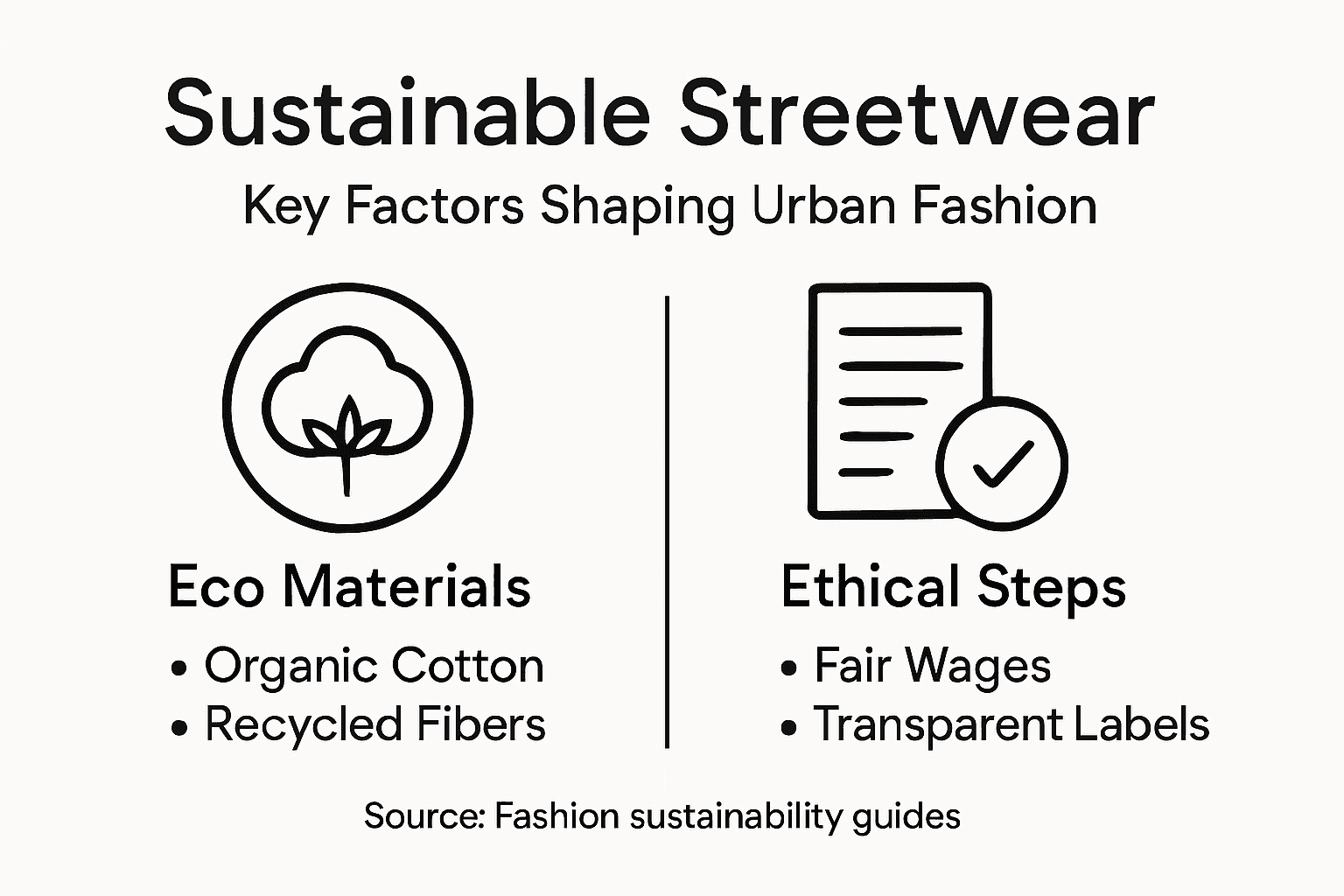
Here’s a comparison of popular sustainable streetwear certifications and what each means for consumers:
| Certification | Focus Area | Consumer Benefit |
|---|---|---|
| GOTS | Organic textiles | Assurance of organic fibers and responsible production |
| Oeko-Tex Standard 100 | Chemical safety | Confidence in safe, chemical-free materials |
| Fair Trade Certified | Ethical labor | Support for fair wages and working conditions |
| Bluesign | Environmental safety | Strict control of pollutants and safe processes |
| Cradle to Cradle Certified | Lifecycle sustainability | Products designed for recyclability or biodegradability |
Digital technologies are now enhancing certification transparency, with blockchain and traceability platforms allowing consumers to track a garment’s entire journey from raw material to finished product. This unprecedented level of visibility challenges brands to maintain genuine sustainable practices and provides consumers with concrete evidence of their environmental commitments.
True sustainability isn’t just a label - it’s a comprehensive approach to responsible production.
Pro Tip: Always check for multiple certifications and research what each standard specifically covers before making a sustainable fashion purchase.
Common Challenges and How to Shop Smart
Sustainable streetwear presents complex challenges that conscious consumers must navigate carefully. Sustainable apparel retailing reveals intricate obstacles ranging from material sourcing to maintaining genuine environmental commitments while balancing economic realities.
Key challenges in sustainable streetwear include:
- High production costs
- Limited material availability
- Complex supply chain transparency
- Greenwashing marketing tactics
- Inconsistent certification standards
- Rapidly changing fashion trends
Smart shopping requires a strategic approach to identifying truly sustainable fashion choices. Conscious consumption strategies empower consumers to make informed decisions that align with environmental and ethical standards. This means looking beyond marketing claims and investigating a brand’s actual sustainability practices, material sources, and production methods.
The most effective approach involves developing a critical eye for authentic sustainability. Consumers should prioritize brands that provide comprehensive transparency about their manufacturing processes, use verifiable certifications, and demonstrate a genuine commitment to reducing environmental impact. This might involve researching a brand’s supply chain, understanding their material sourcing, and evaluating their long-term sustainability goals.
The following table summarizes practical ways consumers can critically evaluate sustainable streetwear brands:
| Evaluation Step | What to Look For | Why It Matters |
|---|---|---|
| Supply Chain Transparency | Public sourcing details | Ensures ethical and eco-friendly sourcing |
| Certification Verification | Multiple recognized labels | Confirms authentic sustainability claims |
| Lifecycle Commitment | Repair or recycle options | Reduces fashion waste long-term |
| Material Innovation | New eco-materials | Indicates advanced sustainability efforts |
Sustainable shopping is an act of conscious decision-making, not just a purchasing choice.
Pro Tip: Develop a personal sustainability checklist that includes material origin, production practices, and long-term wearability before making any fashion purchase.
Elevate Your Style with Sustainable Streetwear That Makes a Statement
The challenge of finding streetwear that truly aligns with your values without sacrificing bold, expressive style ends here. If you are seeking apparel that combines environmental responsibility with urban fashion flair, explore our Sustainable Apparel Organic Cotton – ELEDOasis collection. Each piece is crafted to reflect personal identity and ethical commitment, addressing key concerns like supply chain transparency and long-lasting durability discussed in the article.

Experience the perfect balance of conscious self-expression and innovative design through our exclusive range of Sweatshirts – ELEDOasis and Athletic Wear – ELEDOasis. You do not have to compromise style or values anymore. Visit https://www.eledoasis.com/ today and redefine your wardrobe with streetwear that tells your sustainability story while standing out in every crowd.
Frequently Asked Questions
What is sustainable streetwear?
Sustainable streetwear is a fashion movement that combines urban style with eco-friendly materials and ethical production practices, emphasizing environmental awareness and responsible consumption.
How does sustainable streetwear impact the environment?
Sustainable streetwear reduces environmental harm by utilizing recycled and organic materials, minimizing resource consumption in production, and promoting longevity through durable designs, thus aiming to lower the textile waste associated with traditional fashion.
What materials are commonly used in sustainable streetwear?
Sustainable streetwear often incorporates natural and recycled fibers, biodegradable synthetic alternatives, and materials produced with low water and energy consumption, making them more environmentally friendly than conventional textiles.
Why is transparency important in sustainable streetwear?
Transparency in sustainable streetwear allows consumers to understand a brand’s production practices, material sourcing, and labor policies, empowering them to make informed choices and avoid greenwashing, ensuring that their purchases align with their values.