What makes streetwear unique? Culture, hype, identity
TL;DR:
- Streetwear is driven by rebellion, art, community, and economic disruption rooted in urban culture.
- Scarcity and hype through limited drops create community loyalty and a thriving resale market.
- It prioritizes self-expression and authenticity over luxury craftsmanship, shaping global fashion trends.
Streetwear gets dismissed as just oversized hoodies and hyped sneakers. That reading misses everything. What actually drives this movement is a collision of rebellion, art, community, and economic disruption that no other fashion category has pulled off at scale. From its roots in marginalized urban communities to its current position shaping luxury runways and a $218 billion global market, streetwear operates by its own rules. This guide breaks down exactly what those rules are, why they matter, and how understanding them changes the way you see every fit you put together.
Table of Contents
- The cultural roots: From rebellion to mainstream
- How scarcity and hype define business and community
- Self-expression, identity and the meaning of style
- Streetwear versus luxury and global influence
- Why streetwear’s edge matters now more than ever
- Discover your unique streetwear style with ELEDOasis
- Frequently asked questions
Key Takeaways
| Point | Details |
|---|---|
| Streetwear’s cultural roots | Streetwear began as a voice for urban subcultures, blending rebellion with authentic storytelling. |
| Scarcity builds community | Limited releases and hype unite fans, fuel FOMO, and differentiate streetwear from traditional fashion. |
| Self-expression at the core | Wearing streetwear is about identity, allowing each person to share their own story visually. |
| Streetwear versus luxury | Streetwear’s youth-centric, bottom-up movement has influenced even high fashion but keeps its edge through authenticity. |
The cultural roots: From rebellion to mainstream
Having set aside misconceptions, it’s clear that streetwear’s foundation is deeper than flashy logos. The style didn’t emerge from design schools or fashion weeks. It came up from the streets, literally. Streetwear originated in the 1970s to 1990s from subcultures like surf, skate, and hip-hop in California and New York. Young people who felt ignored by mainstream culture built their own visual language through clothing.
Those communities weren’t just dressing differently for the sake of it. They were communicating. A skater’s graphic tee carried the same weight as a rapper’s oversized jacket. Both said: I belong here, and I built this. That sense of ownership is what separates streetwear from every other trend that’s come and gone.
Understanding the streetwear culture definition helps clarify why the style spread so fast. It wasn’t marketing. It was storytelling through clothing, and people recognized something real in it. The role of culture in streetwear is still what separates genuine pieces from imitations today.
Here’s what those founding subcultures brought to the table:
- Surf and skate culture introduced relaxed silhouettes, graphic prints, and a DIY attitude toward branding
- Hip-hop added bold logos, athletic wear crossovers, and the idea that fashion could be a status signal within a community
- Punk and graffiti scenes pushed anti-establishment messaging directly onto garments
- Community storytelling turned local brands into cultural artifacts, not just products
“Streetwear was never about dressing up. It was about dressing true. The culture came first. The clothes were just how you showed it.”
The evolution of streetwear from local subculture to global phenomenon didn’t happen because brands got bigger budgets. It happened because the authenticity was undeniable. When something is genuinely rooted in real experience, people feel it.
How scarcity and hype define business and community
Beyond roots, what keeps the scene so electric is how business tactics power community and exclusivity. Traditional fashion works on seasons. Spring collection, fall collection, repeat. Streetwear blew that model up entirely.
The “drop” model changed everything. Instead of stocking shelves year-round, brands release limited drops and scarcity to create hype, community, and resale value. A product goes live at a specific time, sells out in minutes, and the conversation explodes online. That scarcity isn’t accidental. It’s the engine.
Here’s how the two models compare:
| Feature | Traditional fashion | Streetwear drops |
|---|---|---|
| Release schedule | Seasonal (2-4x per year) | Surprise or announced drops |
| Stock availability | Widely available | Intentionally limited |
| Consumer behavior | Browse and buy | Queue, refresh, compete |
| Resale culture | Minimal | Massive secondary market |
| Community effect | Low engagement | High FOMO and loyalty |
The resale numbers tell the real story. Streetwear consumers spend significantly more monthly than traditional fashion shoppers, driven by both personal style and investment thinking. Pieces from major drops regularly sell for two to five times their retail price within hours. That’s not just hype. That’s a functioning economy built around authenticity in streetwear and cultural capital.
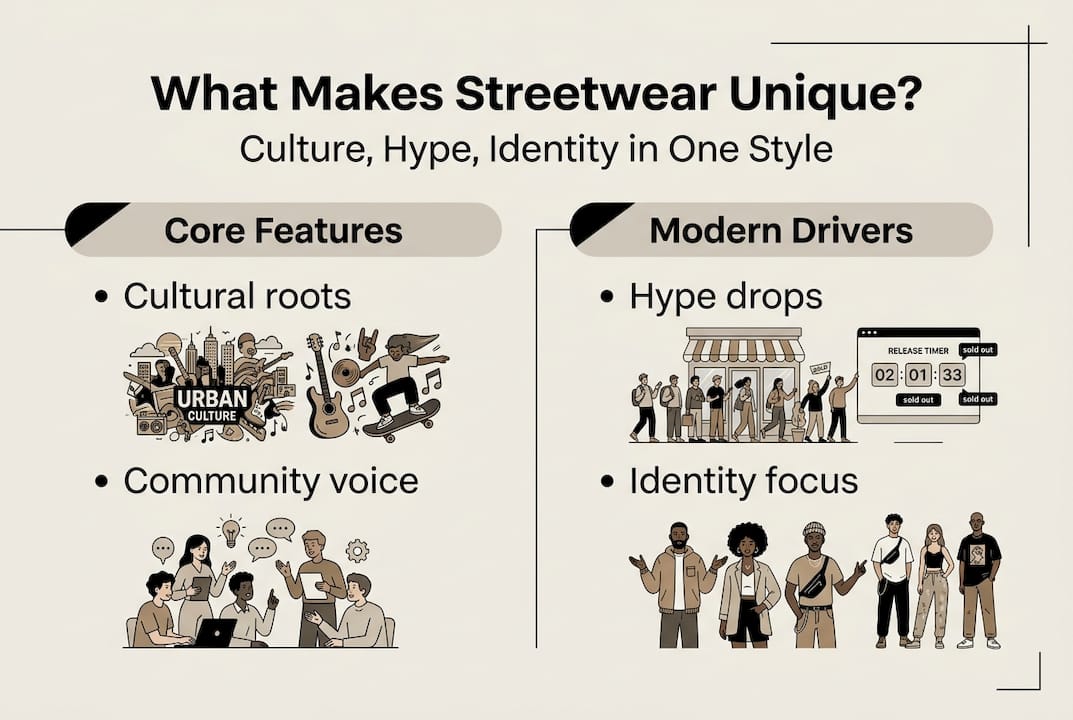
Streetwear spending fact: Consumers in this space spend up to 5x more monthly compared to traditional fashion shoppers, according to market data.
FOMO (fear of missing out) is a real force here. It pulls in both dedicated fans and casual observers, creating offline lineups, Discord servers, and Twitter threads that function as free marketing. Understanding streetwear movements helps you see why each drop feels like an event, not just a sale.
Pro Tip: If you want to stay ahead of drops, follow brand social accounts and join community Discord servers. Most serious drops get teased days in advance, giving you time to prepare.
Self-expression, identity and the meaning of style
But streetwear is not just about buying. It’s a way to say who you are, every day. No other fashion category has democratized self-expression quite the same way. You don’t need a stylist or a big budget. You need intention.
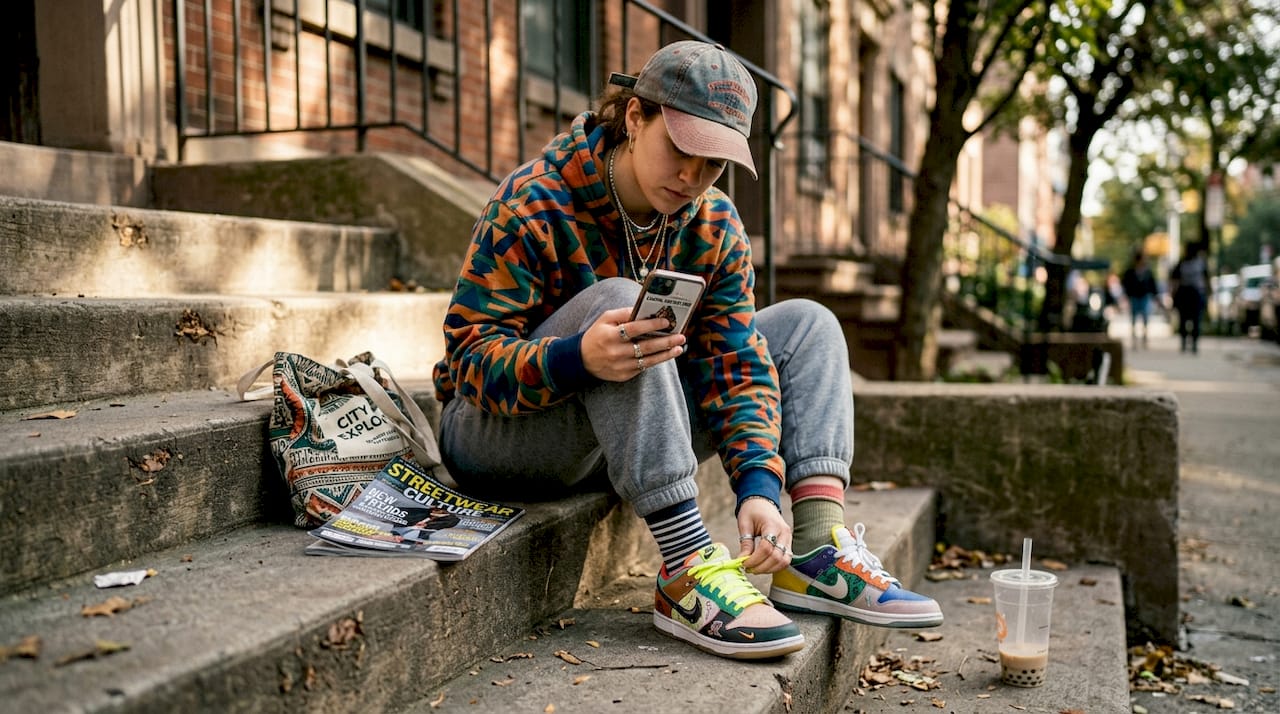
Streetwear prioritizes self-expression, identity, and community over luxury’s craftsmanship and status signals. That shift is huge. It means the person wearing the fit gets to decide what it means, not a fashion house in Paris.
Here’s how streetwear enables personal storytelling through style:
- Brand selection signals which communities and values you align with
- Graphic choices communicate beliefs, humor, cultural references, or artistic taste
- Fit and silhouette reflect comfort versus statement, relaxed versus sharp
- Customization and layering let you remix pieces into something entirely your own
- Accessories and footwear add the final layer of identity, often the most personal
Those choices add up. Two people can wear the same hoodie and tell completely different stories based on how they style it. That flexibility is rare in fashion. Storytelling in fashion through streetwear works because the clothes are open-ended enough to carry your narrative.
The concept of individuality in streetwear is also what pulls younger generations in. Gen Z and younger millennials aren’t interested in wearing what a brand tells them is cool. They want to co-create meaning. Streetwear hands them that power directly.
Pro Tip: Don’t just buy what’s trending. Buy what resonates with something you actually believe or feel. The most memorable fits are the ones that look like they couldn’t belong to anyone else.
Understanding culture and identity through streetwear also reveals why the community polices authenticity so hard. When your clothes are your voice, imitation feels personal.
Streetwear versus luxury and global influence
With self-expression at the core, streetwear’s influence now shapes not just wardrobes, but fashion’s whole direction. The numbers back this up. The global streetwear market sits at roughly $185 to $218 billion between 2019 and 2026, with over 60% of Gen Z influenced by streetwear aesthetics and consumers spending 5x more monthly than traditional fashion buyers.
Luxury brands noticed. Collaborations between high-end houses and streetwear labels became one of the defining stories of the last decade. But the relationship is complicated.
| Dimension | Streetwear | Luxury fashion |
|---|---|---|
| Origin | Bottom-up, community-driven | Top-down, designer-led |
| Exclusivity source | Scarcity and hype | Price and craftsmanship |
| Consumer age | Predominantly Gen Z and millennials | Broader, older demographic |
| Cultural influence | Sets trends from the street | Responds to and borrows trends |
| Authenticity measure | Community acceptance | Heritage and brand legacy |
What’s interesting is that luxury borrowing from streetwear hasn’t killed the culture. If anything, it validated it. Youth style trends now move faster than luxury houses can react, which means streetwear always has a head start.
The tension worth watching is between growth and dilution. Here’s where the debate lives:
- Mass production of “streetwear-inspired” pieces by fast fashion brands waters down the aesthetic
- Luxury collabs can feel exploitative if they don’t genuinely engage with the culture
- Urban fashion trends continue evolving, keeping the culture ahead of copycats
- Global street fashion scenes in Tokyo, Lagos, Seoul, and London add new dimensions that keep the movement fresh
The core stays intact when the community stays involved. That’s the pattern.
Why streetwear’s edge matters now more than ever
Here’s the uncomfortable truth most style guides skip: mainstream success is the biggest threat streetwear has ever faced, and also its biggest proof of concept. When luxury houses start copying your silhouettes and fast fashion floods the market with your aesthetics, it’s easy to assume the culture is dying. We’d argue the opposite.
The brands and wearers who understand where this came from are the ones keeping it alive. Chasing hype without meaning produces fits that look right but feel hollow. The community always notices. Streetwear authenticity isn’t a marketing term. It’s the difference between wearing culture and consuming it.
What makes this moment important is that new generations are entering the scene with more information and more options than ever. That means the responsibility to understand the roots, not just the aesthetics, falls on every person who calls themselves part of the culture. The edge doesn’t disappear when streetwear goes global. It sharpens, because now you have to actually know what you’re talking about.
Discover your unique streetwear style with ELEDOasis
If this breakdown lit something up for you, the next step is finding pieces that actually reflect your perspective. ELEDOasis was built for exactly that.
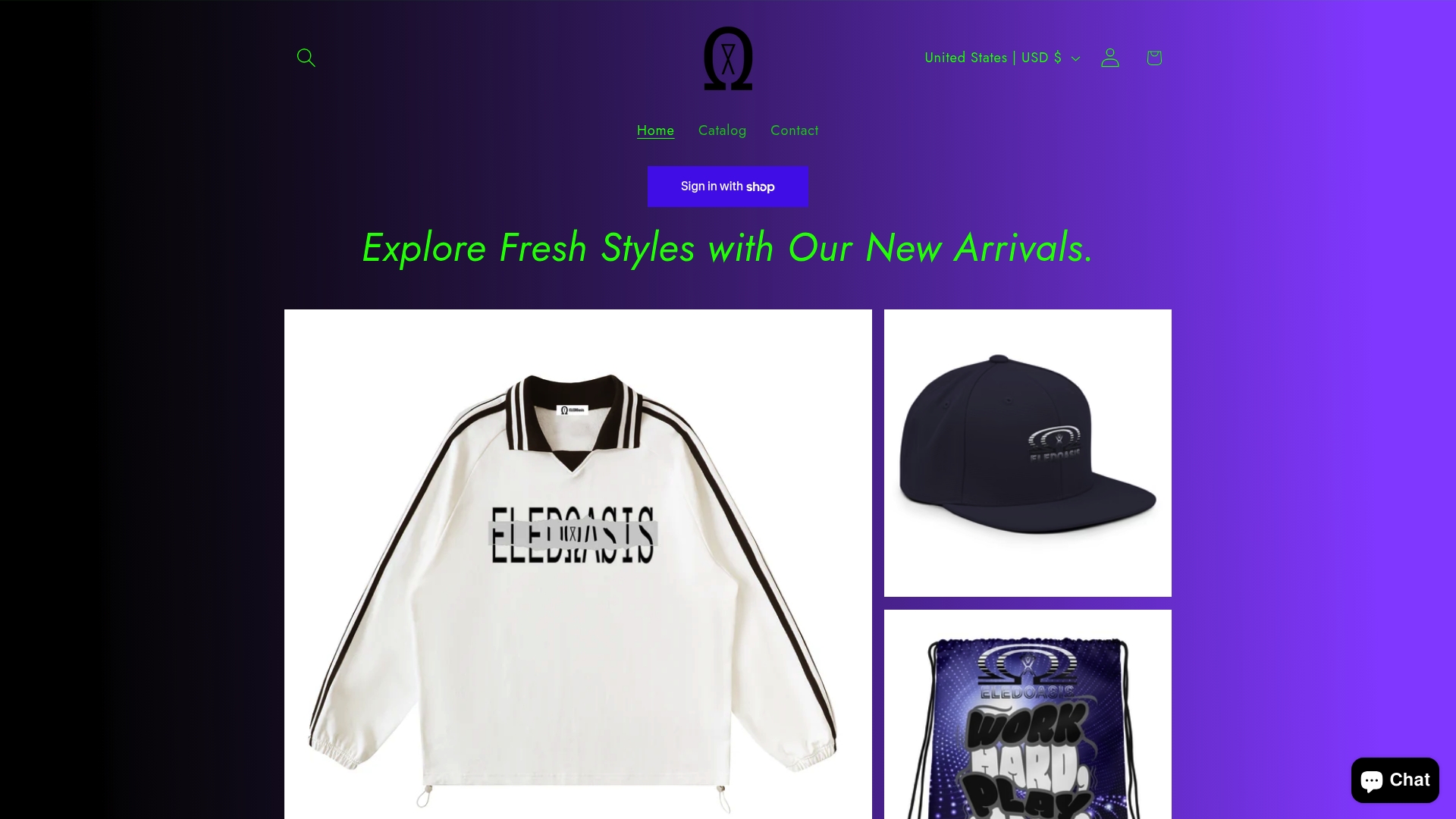
The ELEDOasis collection brings together bold, intentional designs that carry real meaning, not just trend-chasing graphics. Whether you’re drawn to the clean weight of the casual sweats or the statement energy of the Blessed sweats, every piece is built to say something. Browse the full range and find the fit that tells your story without needing a caption.
Frequently asked questions
What are the essential elements of streetwear style?
Streetware centers on authenticity, comfort, cultural storytelling, limited releases, and personal expression. These elements trace directly back to its origins in subculture and rebellion.
How does streetwear differ from luxury fashion?
Streetware is community-driven and focused on identity, while luxury fashion emphasizes exclusivity and top-down influence. The contrast in values is what keeps them distinct even when they collaborate.
Why are limited editions and ‘drops’ important in streetwear?
Scarcity and hype from limited drops build community excitement and drive up both demand and resale value, making each release feel like a cultural event.
How big is the streetwear market in 2026?
The global streetwear market is valued at around $218 billion in 2026, with strong Gen Z influence and continued growth across international markets.
Has streetwear lost its authenticity as it became mainstream?
While fast fashion imitation is real, streetwear’s core creativity and community remain strong. Its cultural authenticity persists wherever grassroots participation drives the conversation.