Why brand ethos matters most in fashion: 84% loyalty
TL;DR:
- Brand ethos is the core set of values guiding a fashion brand’s decisions and actions.
- Authentic streetwear emphasizes community, self-expression, and respecting origins like skate or hip-hop culture.
- Loyal consumers value brands that align with their beliefs, authenticity, and genuine ethical practices.
Fashion is not just about what looks good on you. It is about what your clothes say about who you are, what you believe, and which communities you belong to. 84% of consumers feel loyal to fashion brands that match their values, and that number is not a coincidence. The brands that dominate streetwear culture are not winning because of better fabrics or flashier logos. They are winning because they stand for something real. Understanding brand ethos, the deep set of values and purpose that drives every decision a label makes, is the key to understanding why some brands feel like home and others feel hollow.
Table of Contents
- What is brand ethos and why does it matter in fashion?
- How brand ethos shapes streetwear: authenticity, creativity, and community
- The loyalty effect: Why ethos builds devoted fans, not just customers
- Making brand ethos real: How to spot authentic fashion labels
- The truth about ethos in fashion brands: Hard lessons from the inside
- Where style meets ethos: Express your identity with purpose-driven fashion
- Frequently asked questions
Key Takeaways
| Point | Details |
|---|---|
| Brand ethos defined | Brand ethos is the set of values and purpose at the heart of a fashion brand, not just its look or slogans. |
| Streetwear’s values power | Authenticity, creativity, and community turn streetwear labels into identity symbols for young fans. |
| Ethos drives loyalty | Consumers overwhelmingly support fashion brands whose values match their own, creating deep customer devotion. |
| Detecting authenticity | You can spot real brand ethos by looking for transparent actions, creative design, and consistent storytelling. |
| Choose with purpose | Selecting ethos-driven fashion lets you express yourself and support change you truly believe in. |
What is brand ethos and why does it matter in fashion?
Brand ethos is not your logo, your color palette, or your Instagram grid. It is the core set of values, beliefs, and behaviors that guide every decision a brand makes, from who sews the fabric to what stories get told in campaigns. Think of it as a brand’s moral and creative backbone.
Here is what brand ethos actually includes:
- Core values: The principles a brand refuses to compromise on, like creativity, inclusivity, or sustainability
- Purpose: The reason the brand exists beyond making money
- Behaviors: How the brand acts in supply chains, community spaces, and public conversations
- Storytelling: The narratives it chooses to amplify and the ones it ignores
Distinguishing ethos from surface-level branding matters because marketing can be faked. A slogan cannot. Real brand ethos integrates core values, sustainability commitments, and authenticity that shows up in the supply chain, not just the ad copy. When a brand’s actions match its words, that is ethos. When they do not, that is just marketing.
“A brand without ethos is just a product. A brand with ethos is a movement.”
For young buyers especially, this distinction is everything. Ethical sourcing, artistic risk-taking, and cultural honesty are not bonus features. They are baseline requirements. You can spot authenticity in fashion by looking at whether a brand’s values show up in its actual decisions, not just its mission statement.
Pro Tip: When researching a brand, skip the homepage hero text. Go straight to their “About” page, their sourcing info, and their social media comments. Real ethos lives in the details, not the headlines.
How brand ethos shapes streetwear: authenticity, creativity, and community
Streetwear did not come from boardrooms. It came from skate parks, hip-hop cyphers, and neighborhoods where self-expression was survival. That origin story is inseparable from its ethos, and it is why streetwear ethos emphasizes authenticity, self-expression, and community as the tools Gen Z uses to shape their identities through subcultures.
| Value | Traditional fashion brands | Streetwear brands |
|---|---|---|
| Creative direction | Top-down, trend-driven | Community-influenced, subcultural |
| Consumer relationship | Transactional | Tribal and participatory |
| Scarcity strategy | Seasonal collections | Limited drops, hype culture |
| Loyalty driver | Price and prestige | Shared identity and values |
Real streetwear ethos shows up in specific ways:
- Supreme’s drop model: Limited releases create cultural moments, not just sales events
- Skate and hip-hop roots: Brands that honor these origins feel earned, not appropriated
- Sustainable lines: Labels adding eco-conscious pieces signal that creativity and responsibility can coexist
- Community collabs: Working with local artists or underground creatives shows the brand is listening
Understanding streetwear culture and hype means recognizing that scarcity is a double-edged tool. Done right, it builds excitement and cultural weight. Done wrong, it becomes a cash grab that alienates the very community that made the brand relevant. The best streetwear movements use scarcity to protect meaning, not manufacture it. And individuality in streetwear is always the north star. When a brand genuinely supports your right to stand out, it earns a place in your wardrobe and your worldview.
The loyalty effect: Why ethos builds devoted fans, not just customers
Loyalty in fashion is not about habit. It is about identity. When a brand’s values mirror your own, buying from them feels like an act of self-expression, not just a transaction.
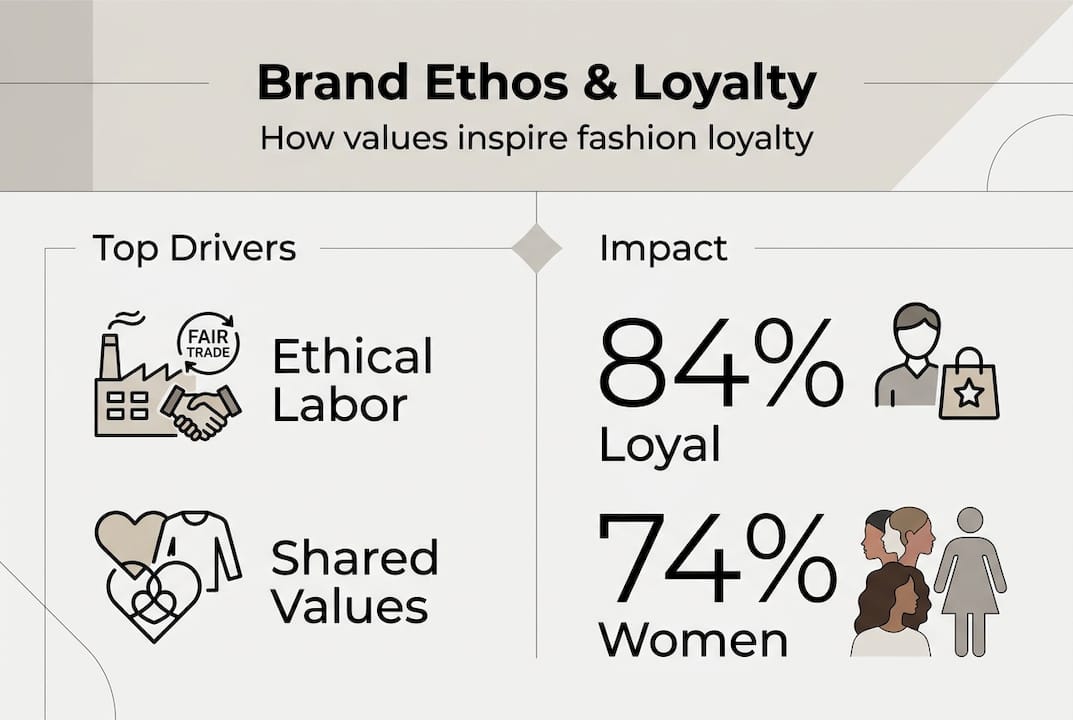
The numbers back this up hard. 74% of European women are loyal to brands with ethical labor practices, and 84% stay loyal to brands that match their values. Meanwhile, 53% of US consumers are loyal to a single fashion brand, but 83% want more personalization, a clear signal that loyalty is conditional on feeling seen.
Stat callout: Purpose-driven brands carry a 4.1x loyalty premium over brands that lead with product alone.
Here are the three core ways ethos converts casual buyers into devoted fans:
- Value alignment: When a brand’s beliefs match yours, every purchase reinforces your identity. You are not just buying a hoodie. You are voting for a worldview.
- Authentic storytelling: Brands that share real stories, including the messy ones, build trust that advertising cannot manufacture.
- Community participation: When a brand creates spaces for its audience to connect, collaborate, and co-create, loyalty becomes social. It is reinforced by the people around you.
For youth fashion identity, this matters more than ever. Gen Z switches brands fast when social values fail. Understanding streetwear and identity means understanding that loyalty is earned through consistency, not campaigns.
Making brand ethos real: How to spot authentic fashion labels
Knowing ethos matters is one thing. Knowing how to find it in the wild is another. Here is how to cut through the noise and identify brands that actually live their values.
Start with research. A brand’s website, sourcing page, and founder story are your first filters. Purpose definition and transparent supply chains are the mechanics of real ethos, so look for specifics, not vague promises. “We care about the planet” means nothing. “We use certified organic cotton from audited farms in Portugal” means something.
Signals that a brand’s ethos is real:
- Transparent sourcing with named suppliers or certifications
- Creative risks that do not always follow mainstream trends
- Consistent messaging across social, product, and community channels
- Positive feedback from real community members, not just paid influencers
- Founder or team stories that connect to the brand’s stated values
Red flags to watch for:
- Overused buzzwords like “authentic” or “conscious” with no evidence
- No information on where or how products are made
- Sudden pivots to trendy causes without prior history of engagement
Gen Z prioritizes creativity with 81% of luxury purchases driven by creative values, and 55% will switch brands after a single negative experience. That means one broken promise can undo years of goodwill. Look for inspirational streetwear brands that take creative risks and own their process. And if sustainability matters to you, explore what sustainable streetwear actually looks like in practice.
Pro Tip: Search for third-party sustainability certifications like GOTS, Fair Trade, or B Corp status. These are independently verified and much harder to fake than a brand’s own claims.
The truth about ethos in fashion brands: Hard lessons from the inside
Here is something most fashion content will not tell you: ethos is uncomfortable. Real values cost something. Transparent sourcing often means higher prices. Defending a creative vision against mainstream pressure means risking sales. Staying true to your community when a bigger audience comes calling means saying no to easy money.
Many brands try to sell ethos as a marketing strategy. They use the language of authenticity without the accountability. They post about community without building one. They claim creative vision while copying what already sells.
The brands worth your loyalty are the ones that make hard calls. They turn down partnerships that contradict their values. They share the messy parts of their process, not just the polished outcomes. They keep showing up for their community even when it is not trending. Authenticity in fashion is not a vibe. It is a track record. Demand substance. Real ethos shows up in decisions, not declarations.
Where style meets ethos: Express your identity with purpose-driven fashion
If this article has shown you anything, it is that the brands worth wearing are the ones with something real to say. At Eledoasis, every piece is built around that idea. Creativity, bold self-expression, and a genuine connection to streetwear culture are not add-ons. They are the foundation.
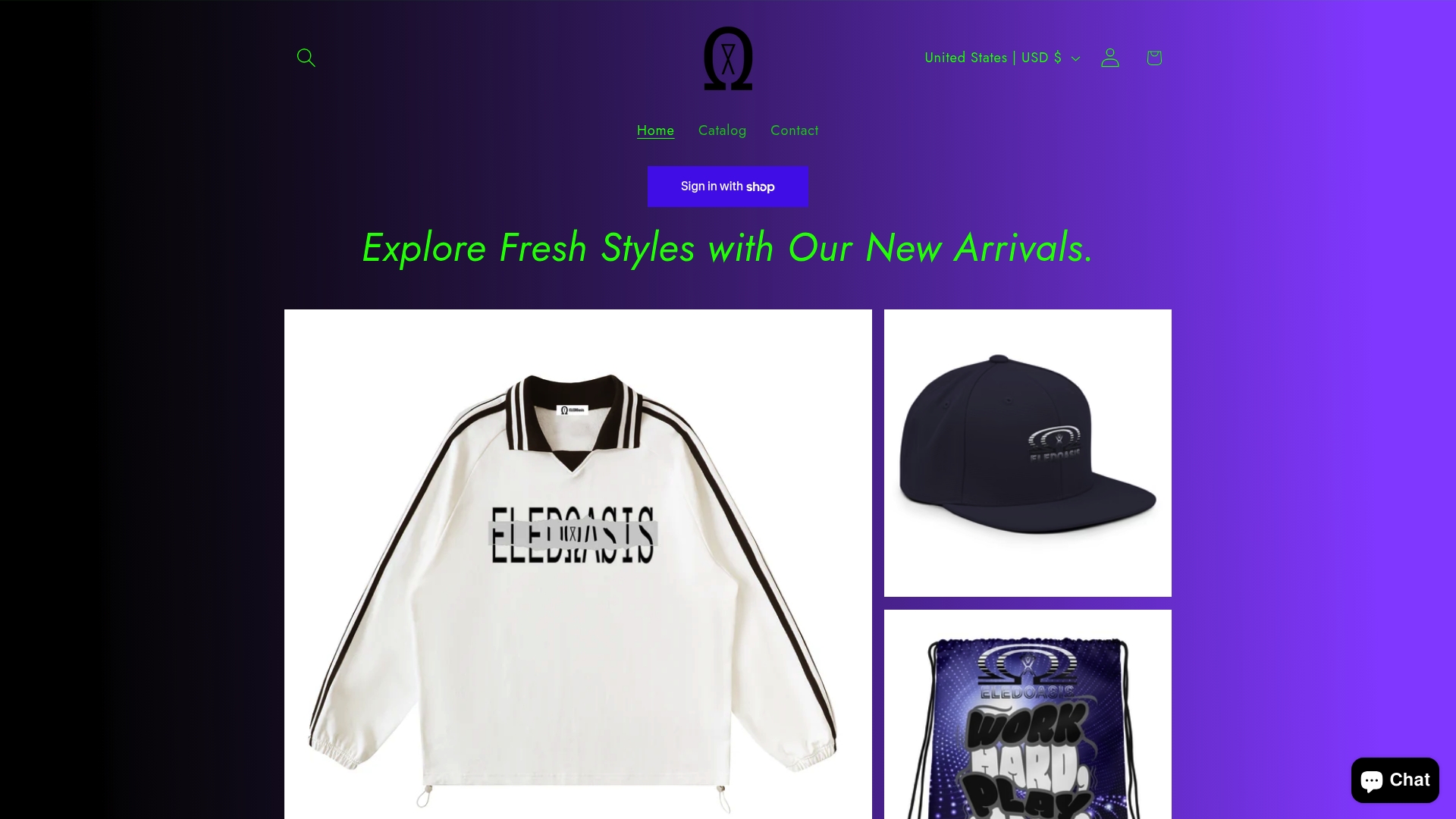
From the Wonder unisex sweats to the full range of bold streetwear choices, each piece is designed for people who refuse to blend in. If you are ready to wear something that actually means something, shop ethos-driven fashion and find your fit in a community where style and purpose move together.
Frequently asked questions
What does brand ethos actually mean in fashion?
Brand ethos in fashion refers to the core values, beliefs, and purpose a label lives by, shaping everything from its design choices to its sourcing and community relationships. Real brand ethos shows up in process and action, not just mission statements.
How does brand ethos influence streetwear loyalty?
Streetwear fans stay loyal to brands that embody authenticity, creativity, and community because those values mirror their own identities. Streetwear ethos gives Gen Z a framework for building identity through subcultural association.
Why are young adults drawn to value-driven fashion brands?
Most young consumers want their purchases to reflect who they are, and 84% report loyalty to brands that share their values. It is less about the product and more about what supporting that brand says about you.
What are the signs of authentic brand ethos in streetwear?
Look for transparent sourcing, real founder stories, creative designs that take risks, and genuine community engagement. Transparent sourcing and creative risk are the clearest proof that a brand’s ethos goes beyond marketing language.