Why Choose Alternative Fashion for Self-Expression
Why Choose Alternative Fashion for Self-Expression
Standing out in a crowd means more than just swapping trends from the latest fast fashion giant. For those drawn to alternative fashion, every outfit becomes a statement against mainstream expectations. Rooted in subcultures like punk, goth, emo, and hip hop, alternative fashion rejects mass-market uniformity and celebrates individuality. If you crave styles that reflect your inner values and connect you to communities worldwide, discovering the authentic roots behind these movements can turn your wardrobe into a true form of self-expression.
Table of Contents
- Defining Alternative Fashion and Its Roots
- Major Alternative Styles and Streetwear Variations
- Streetwear as Modern Alternative Fashion
- How Alternative Fashion Empowers Individuality
- Risks, Costs, and Social Challenges
- Comparing Alternative and Mainstream Fashion
Key Takeaways
| Point | Details |
|---|---|
| Authenticity Matters | Alternative fashion thrives on genuine self-expression and reflects individual values rather than conforming to mainstream trends. |
| Community Connection | Engaging with alternative fashion fosters a sense of belonging to a wider cultural movement while promoting collective identities. |
| Intentional Choices | Making thoughtful decisions in your fashion choices not only enhances personal style but also supports sustainable practices and ethical considerations. |
| Challenges of Social Pressure | Embracing alternative fashion may result in social friction; awareness and confidence are essential to navigate these dynamics. |
Defining Alternative Fashion and Its Roots
Alternative fashion is any style that deliberately steps outside the mainstream. It rejects typical commercial trends and refuses to blend in with conventional wardrobes. This isn’t just about looking different—it’s about making a deliberate choice.
Alternative fashion encompasses distinct subcultures including punk, goth, emo, and hip hop, each with its own visual language and philosophy. These styles emerged from specific communities seeking to express their values through clothing.
Here’s what sets alternative fashion apart from mainstream trends:
- Rejects commercial standardization and mass-market uniformity
- Centers on individuality and personal expression over following crowd
- Often connects to music, art, and cultural movements
- Functions as a form of social and cultural resistance
- Builds community identity among like-minded people
- Challenges conventional social and moral structures
The roots of alternative fashion run deep into counterculture movements. Punk emerged in the 1970s as youth rejection of societal norms. Goths followed, drawing from post-punk music and Victorian aesthetics. Hip hop developed its own visual language reflecting urban culture and social commentary. Each movement used clothing as a weapon of expression.
Alternative fashion originated as sites of resistance and creativity, allowing communities to build distinct identities separated from mainstream norms.
These subcultures created what sociologists recognize as fashion’s role in shaping personal identity and worldview. Your outfit becomes your statement. It tells the world who you are before you speak.
What makes alternative fashion powerful is its authenticity. These styles grew organically from real communities, not marketing departments. They carry meaning—whether that’s rebellion, artistic expression, cultural pride, or philosophical belief. Wearing alternative fashion means you’re part of something bigger than a trend.
Today’s alternative fashion landscape has evolved. The internet connects subcultures globally. You can find punk, goth, streetwear, and experimental styles mixing together. The core principle remains: use clothing to express your true self, not fit predetermined boxes.
Pro tip:Study the history and philosophy behind alternative fashion subcultures that resonate with you—understanding the roots of a movement makes your personal style choices feel more intentional and meaningful.
Major Alternative Styles and Streetwear Variations
Alternative fashion branches into distinct subcultures, each with recognizable aesthetics and philosophies. Understanding these styles helps you find what genuinely resonates with your identity and values.
Punk emerged as raw rebellion against conformity. Ripped clothing, safety pins, leather jackets, and bold hair colors communicated defiance. It’s aggressive and unapologetic—punk rejects prettiness for authenticity.
Goth draws from Victorian and post-punk influences. Dark clothing, heavy makeup, and mysterious aesthetics create a moody, artistic vibe. Goths celebrate darkness as beautiful and introspective.
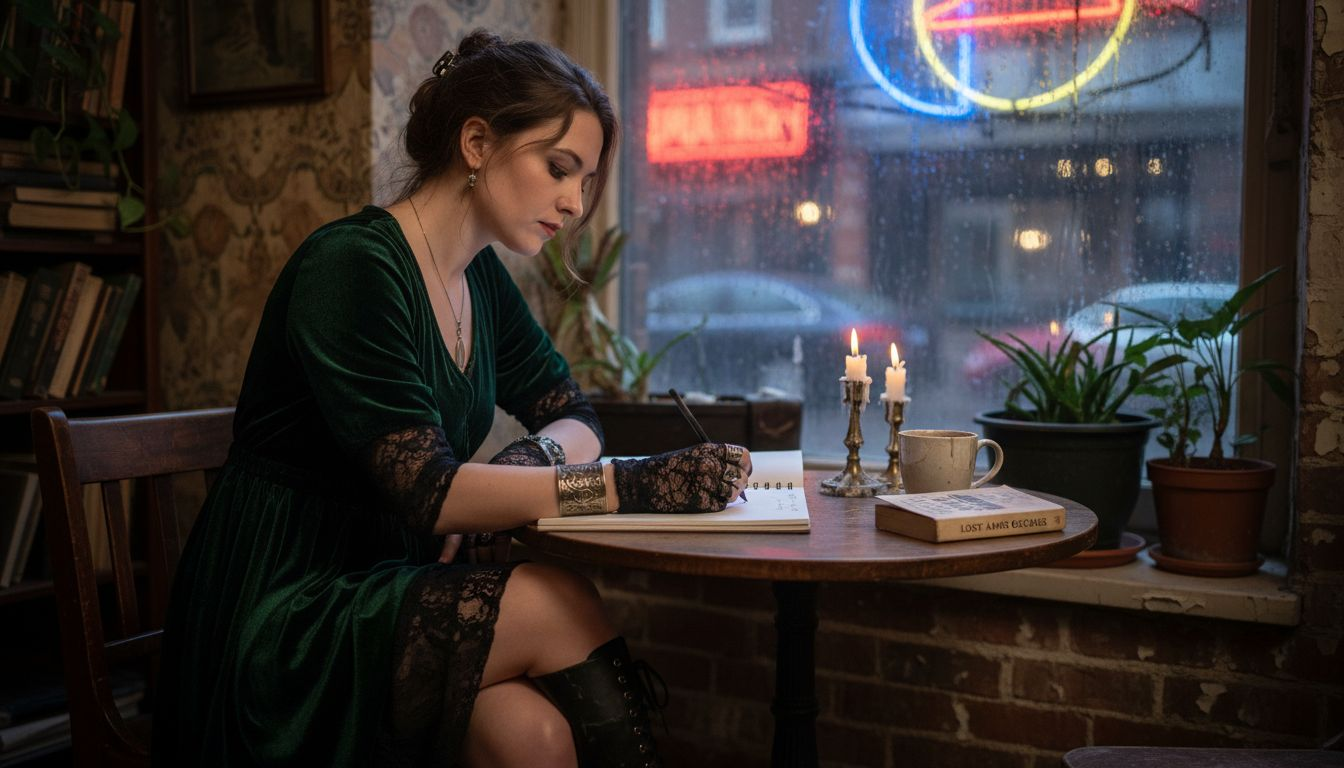
Emo combines emotional vulnerability with punk energy. Tight jeans, band tees, straightened hair, and expressive makeup define the look. It channels raw feelings through fashion.
Hip-hop style originates from urban culture and reflects social commentary. Oversized silhouettes, bold graphics, sneakers, and baseball caps form the foundation. It’s about presence and cultural pride.
Here’s what distinguishes these subcultures:
Here’s a quick comparison of major alternative fashion subcultures and their defining features:
| Subculture | Signature Clothing | Core Values | Typical Color Palette |
|---|---|---|---|
| Punk | Ripped jeans, leather, band patches | Anti-authority, rebellion | Black, red, plaid |
| Goth | Lace, velvet, dramatic accessories | Artistic depth, introspection | Black, deep purples |
| Emo | Skinny jeans, band tees, wristbands | Vulnerability, emotion | Black, dark tones |
| Hip-Hop | Baggy pants, sneakers, bold prints | Cultural pride, self-assurance | Bright, primary colors |
- Punk: rebellion, DIY ethics, anti-establishment messaging
- Goth: darkness, artistry, introspection and mystery
- Emo: emotional expression, vulnerability, intensity
- Hip-hop: urban culture, social awareness, confidence
Streetwear as Modern Alternative Fashion
Streetwear represents self-expression through casual, urban aesthetics. It blends elements from multiple subcultures while maintaining its own identity. Oversized hoodies, graphic tees, sneakers, and statement accessories are streetwear staples.
Streetwear evolved from hip-hop culture and youth street fashion globally. It broke into mainstream consciousness while retaining its underground credibility. The style communicates individuality without screaming for attention.
Streetwear serves as an alternative to mainstream fashion by allowing wearers to convey identity through casual, urban clothing influenced by music and cultural movements.
What makes streetwear versatile is its flexibility. You can mix vintage band tees with designer sneakers. Combine oversized jackets with fitted pants. Layer graphic prints creatively. Streetwear celebrates experimentation.
Modern streetwear also absorbs elements from goth, punk, and emo aesthetics. You see dark palettes influenced by goth culture. Punk’s DIY spirit shows in customized pieces. Emo’s emotional intensity appears in graphic design choices. It’s a living blend.
The beauty of these alternatives is that none require expensive designer labels. Thrift stores, local shops, and online retailers offer authentic pieces. Your style matters more than price tags.
Pro tip:Choose styles that reflect your actual personality and values, not ones you think look cool—the most convincing alternative fashion comes from genuine self-expression, not costume play.
How Alternative Fashion Empowers Individuality
Alternative fashion operates as a visual language for your identity. It lets you communicate who you are without saying a word. When you wear alternative styles, you’re making a deliberate statement about your values, beliefs, and personality.
Fashion serves as a powerful tool for self-expression and identity construction. Your clothing choices tell a story about what matters to you. A punk jacket signals rebellion. A goth aesthetic communicates artistic depth. Oversized streetwear conveys confidence and individuality.
Here’s how alternative fashion empowers you:
- Allows authentic self-expression without conforming to mainstream expectations
- Creates visibility for your values and personality to the world
- Builds confidence through deliberate personal style choices
- Connects you to communities sharing similar philosophies
- Challenges social norms and encourages critical thinking
- Differentiates you from mass-produced fashion culture
Mainstream fashion tells you what to wear. Alternative fashion asks what you genuinely want to express. That shift from passive consumption to active creation changes everything.
When you choose alternative styles, you’re resisting commercialism. You’re saying no to algorithms designed to control your purchases. You’re rejecting the idea that your worth depends on brand names. That’s powerful.
Fashion functions as a system of signs through which individuals resist dominant social norms and communicate personal values, empowering wearers to shape their own identity rather than accept predetermined identities.
Alternative fashion also creates community belonging. You’re not just dressing differently—you’re joining movements with history and meaning. Whether it’s punk’s DIY ethics, goth’s artistic intensity, or streetwear’s cultural pride, you’re part of something larger than yourself.
This isn’t about looking cool or getting attention. It’s about alignment between your inner world and outer presentation. When your clothing reflects your actual values, something shifts internally. You feel more authentic. More grounded. More yourself.
Young adults aged 18-30 especially benefit from this freedom. You’re forming your identity, exploring beliefs, finding your people. Alternative fashion accelerates that process. It’s a tool for self-discovery wrapped in fabric and attitude.
Pro tip:Build your alternative style gradually by choosing pieces that genuinely resonate with your values—avoid buying trends you think fit the aesthetic, as the most powerful alternative fashion comes from authentic personal meaning, not perfect aesthetic completion.
Risks, Costs, and Social Challenges
Choosing alternative fashion comes with real considerations beyond aesthetic appeal. Understanding these challenges helps you make informed decisions about your wardrobe and its impact.
Fast fashion’s hidden costs affect everyone wearing trendy clothing. Environmental degradation and labor exploitation plague the fast fashion industry, from resource-intensive production to unsafe working conditions. When you buy cheap alternatives from questionable brands, you’re often supporting systems that harm workers and the planet.
The social pressure surrounding alternative fashion is real. Choosing bold styles means standing out—sometimes uncomfortably. You might face judgment from peers, family, or strangers. Wearing punk, goth, or extreme streetwear signals difference, and not everyone celebrates that.
Here’s what you should consider:
- Cost: Quality alternative pieces cost more than fast fashion basics
- Social friction: Family or peers may not understand your style choices
- Gatekeeping: Some subcultures police authenticity aggressively
- Maintenance: Specialized clothing often requires careful care
- Trend pressure: Even alternative fashion creates internal pressure to “keep up”
- Labor ethics: Verifying ethical production requires research and effort
Many young adults experience a disconnect between caring about sustainability and actually purchasing sustainably. You know fast fashion harms workers and environments. Yet buying affordable alternatives feels practical when budgets are tight.
The gap between awareness of fashion industry problems and actual purchasing behavior remains significant, particularly among younger consumers facing financial constraints.
Financial reality matters. Building an authentic alternative wardrobe takes time and money. Thrifting requires patience and flexibility. Quality pieces command higher prices. Not everyone can afford to reject fast fashion entirely.
Authenticity gatekeeping within subcultures can feel exclusionary. Gatekeepers judge whether your commitment is “real” based on clothing choices, musical knowledge, or cultural understanding. This creates anxiety rather than community.
Your mental health also matters. If wearing alternative fashion creates constant stress about fitting in or being judged, reconsider your approach. Self-expression should feel liberating, not oppressive.
The key is intentional choices. Buy fewer pieces from ethical brands when possible. Thrift strategically. Mix affordable items with investment pieces. Set boundaries around social judgment. Build community with accepting people.
Pro tip:Start your alternative fashion journey with pieces you genuinely love and can afford—build slowly and sustainably rather than trying to adopt an entire aesthetic overnight, which leads to overconsumption and potential regret.
Comparing Alternative and Mainstream Fashion
Mainstream fashion operates on commercial principles. Brands predict trends, manufacture items in bulk, and push them through marketing campaigns designed to make you feel outdated. You follow or fall behind.
Alternative fashion operates differently. It originates from communities, reflects genuine values, and evolves organically. You lead instead of follow. The core difference is agency—who controls your clothing choices.
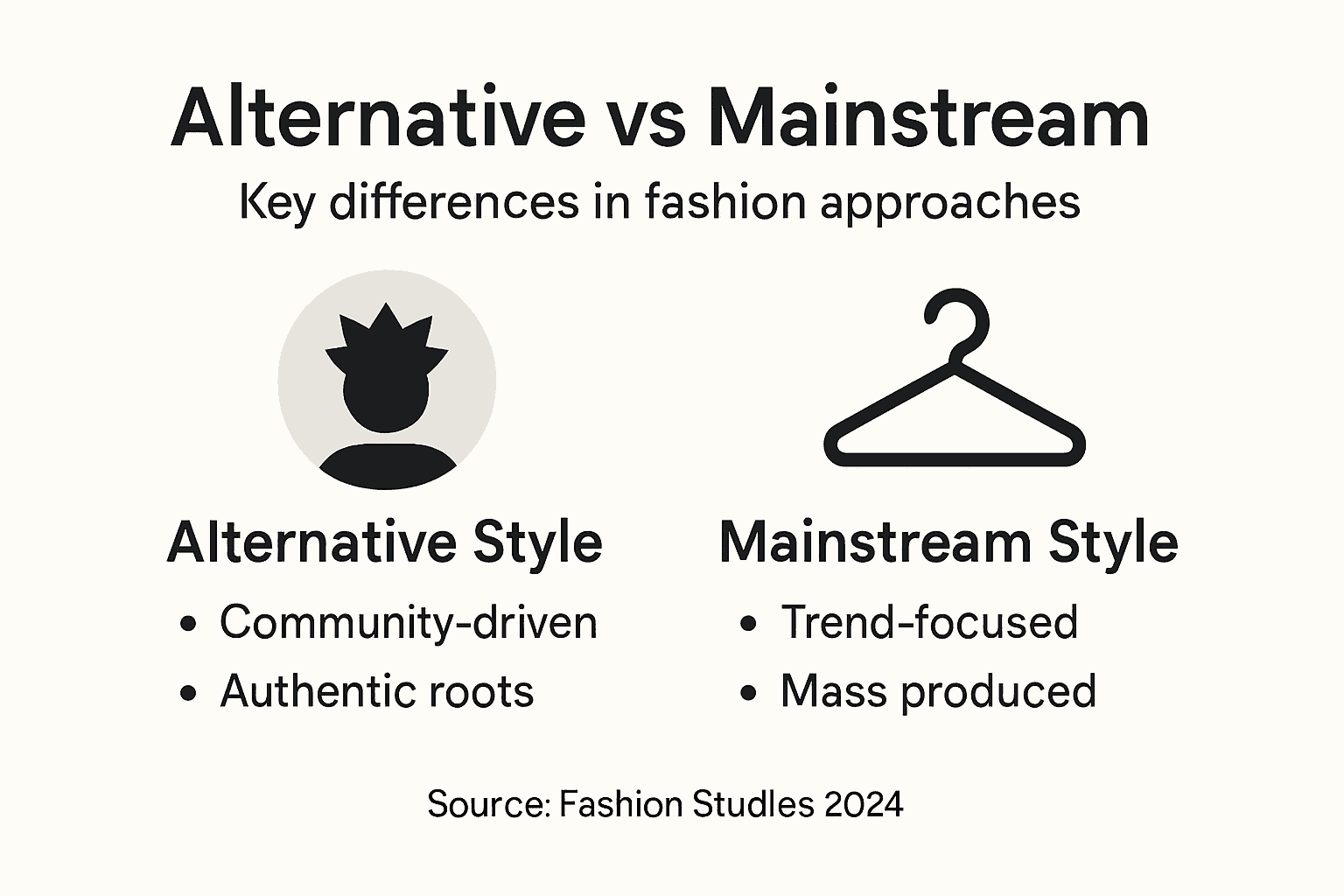
The following table summarizes practical trade-offs between alternative and mainstream fashion:
| Aspect | Alternative Fashion | Mainstream Fashion |
|---|---|---|
| Accessibility | Requires more effort to find unique pieces | Widely available in stores |
| Cost | Can be higher for small-batch or ethical items | Usually more affordable |
| Individuality | Strong focus on self-expression | Encourages conformity |
| Sustainability | Greater emphasis on slow fashion and ethics | Predominantly fast fashion practices |
Key Differences
Mainstream fashion prioritizes profit and trend cycles. Collections launch seasonally with manufactured urgency. New is always better. Faster turnover means more sales, regardless of environmental or ethical costs.
Alternative fashion prioritizes authenticity and longevity. Pieces hold meaning beyond their season. Garments gain value through personal history and community significance. A worn leather jacket from a band you love matters more than a pristine designer blazer.
Here’s how they fundamentally differ:
- Mainstream: Trend-driven, mass-produced, seasonal cycles, profit-focused
- Alternative: Value-driven, community-sourced, timeless, expression-focused
- Mainstream: Standardized sizing and silhouettes for broad appeal
- Alternative: Celebrates individuality and non-conformity
- Mainstream: Fast fashion model emphasizes quick consumption
- Alternative: Slow fashion model emphasizes intentional ownership
Ethics and Perception
Niche and alternative brands receive significantly higher consumer trust regarding ethical practices compared to mainstream brands. This reflects reality—alternative fashion communities built accountability through direct relationships and shared values.
Mainstream brands face skepticism about sustainability claims. They launch “eco-lines” while maintaining harmful practices elsewhere. The messaging contradicts the business model.
Alternative fashion communities hold each other accountable. If a brand exploits workers or harms environments, the community responds directly. There’s nowhere to hide.
Alternative fashion functions as cultural resistance, challenging mainstream consumerism through personal expression, while mainstream fashion operates as a commercial system prioritizing trend cycles and mass consumption.
Practical Reality
Mainstream fashion offers convenience and affordability. You find what you need quickly. Sizing is relatively standardized. Fast delivery means instant gratification.
Alternative fashion requires effort. Thrifting takes patience. Building authentic style takes time. You invest energy alongside money.
Both systems have trade-offs. Mainstream fashion’s accessibility comes at environmental and human costs. Alternative fashion’s ethics and authenticity require commitment.
The real choice isn’t “one or the other.” It’s about consciousness. Understanding what you’re supporting with your purchases. Making intentional decisions instead of passive consumption.
Pro tip:Mix affordable pieces you genuinely need with investment items reflecting your true values—create a hybrid wardrobe that balances practicality with integrity rather than committing entirely to either system.
Express Your True Self with Alternative Streetwear from ELEDOasis
Struggling to find bold, authentic styles that truly reflect your individuality and break free from mainstream fashion’s constraints Explore our outfits ideas for every occasion – ELEDOasis for inspiration and ready-to-wear pieces that celebrate self-expression and alternative culture
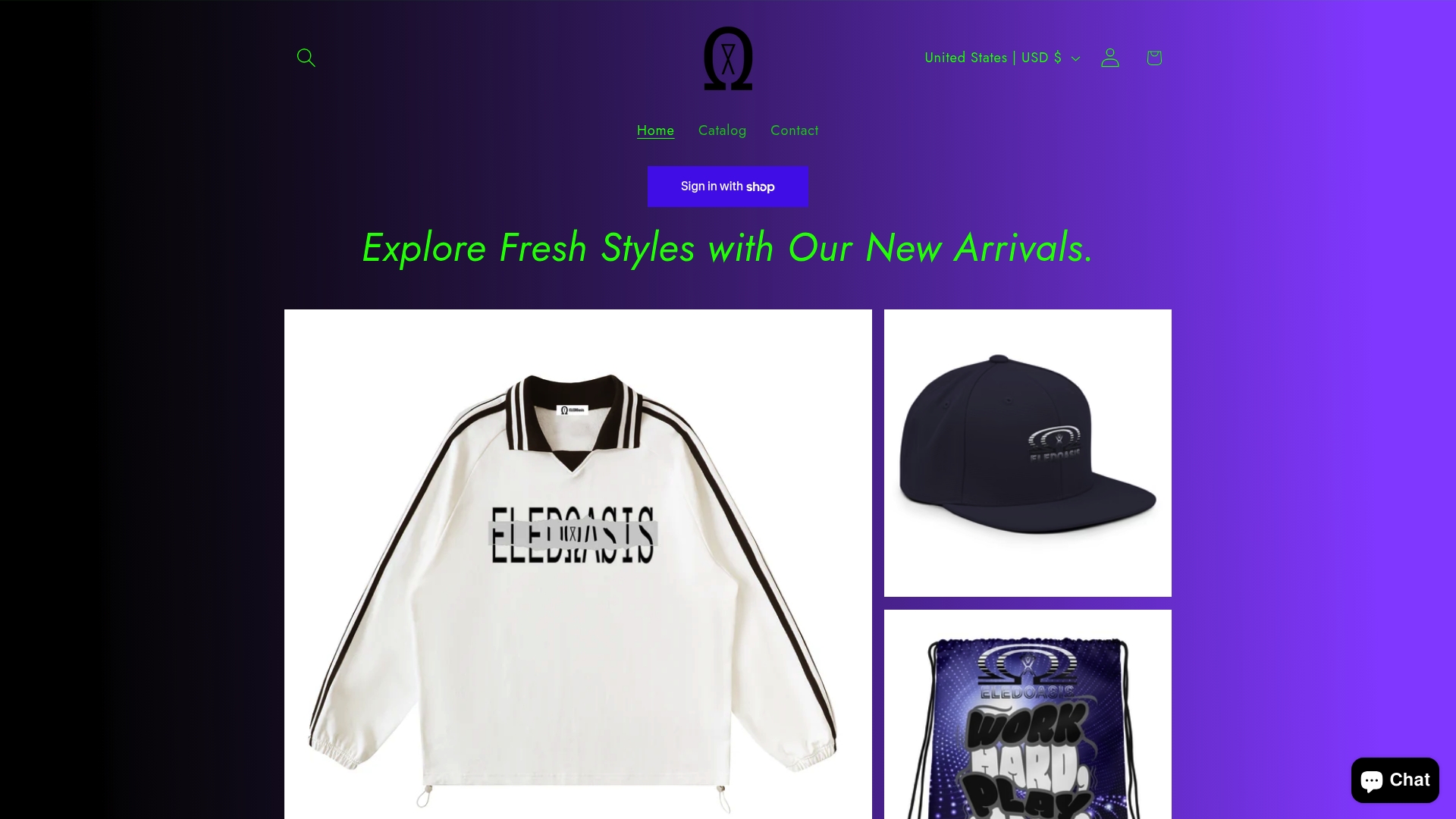
Take control of your personal style today and build a wardrobe rooted in creativity and meaning at ELEDOasis Discover distinctive hoodies, tees, and accessories designed to empower your statement and awaken your consciousness Start expressing your true self now with pieces that speak louder than words and join a community that values boldness and visionary fashion Also explore our jeans denim fit - ELEDOasis Collection to complete your unique look
Frequently Asked Questions
What is alternative fashion?
Alternative fashion refers to styles that intentionally step outside mainstream trends, emphasizing individuality and personal expression through clothing. It encompasses various subcultures including punk, goth, emo, and hip hop.
How does alternative fashion empower self-expression?
Alternative fashion empowers self-expression by allowing individuals to communicate their values, beliefs, and personalities through their clothing choices. It serves as a visual language, enabling wearers to connect with like-minded communities and challenge societal norms.
What distinguishes alternative fashion from mainstream fashion?
Alternative fashion is characterized by a strong focus on authenticity and individuality, often arising from specific communities. In contrast, mainstream fashion prioritizes commercial principles and conformity, promoting trends and mass-produced items.
What are the challenges of adopting alternative fashion?
Challenges include the higher cost of quality and sustainable pieces, the social pressure of standing out, the potential for gatekeeping within subcultures, and the need for careful maintenance of specialized clothing.
Recommended
- What Is Alternative Fashion and Why It Matters – ELEDOasis
- Fashion and Identity – How Style Shapes You – ELEDOasis
- Fashion and Identity – How Style Shapes You – ELEDOasis
- Lifestyle Fashion: Defining Style and Self-Expression – ELEDOasis
- How to Choose Art Apparel for Unique Style Expression – Art-O-Rama Shop