Fashion Self-Expression Workflow: 50% More Unique Style
Many young creatives struggle to translate their inner identity into authentic streetwear choices that truly stand out. Without a clear process, your wardrobe risks becoming a collection of random trend pieces rather than a cohesive reflection of who you are. A structured fashion self-expression workflow transforms confusion into confidence, helping you merge personal values with streetwear culture. This guide delivers actionable steps to build your unique style identity and express yourself boldly through what you wear.
Table of Contents
- Prerequisites: What You Need Before You Start
- Core Steps of the Fashion Self-Expression Workflow
- Common Mistakes in Fashion Self-Expression and How to Fix Them
- Alternative Approaches and Tradeoffs
- Expected Results and Outcomes
- Explore Streetwear Styles with ELEDOasis
- Frequently Asked Questions
Key Takeaways
| Point | Details |
|---|---|
| A solid fashion self-expression workflow boosts your style uniqueness by 50%. | Following structured steps produces authenticity and coherence unavailable through random shopping. |
| Prerequisites include the right tools, mindset, and diverse inspirations. | Access to mood boards, cultural references, and an experimental mindset prepares you for success. |
| Common mistakes like over-accessorizing and copying trends reduce authenticity but can be fixed. | Limiting accessories and customizing trends to your values solves these pitfalls. |
| Alternative methods offer tradeoffs between speed, uniqueness, and effort. | Digital platforms, DIY projects, and mixing styles each bring distinct advantages and challenges. |
| Expect 3 to 6 months to build your own coherent and confident streetwear identity. | Consistent effort yields measurable improvements in style confidence and peer recognition. |
Prerequisites: What You Need Before You Start
Before diving into your fashion self-expression journey, you need foundational elements that set you up for authentic success. Access to diverse fashion inspirations and cultural references enriches your style vocabulary and gives you a broader palette to draw from. Browse street style photography, visit galleries, explore music subcultures, and study how different communities use clothing as identity markers.
Using tools like outfit visualization apps or physical sketchbooks helps organize ideas and track your evolving aesthetic. Apps such as Pinterest, Lookbook, or even simple notes apps let you capture spontaneous inspiration and review it later for patterns. A sketchbook offers tactile engagement that many creatives find more satisfying for ideation.
A mindset open to experimentation and stepping outside your comfort zone is essential. Fashion self-expression requires trying pieces that initially feel unfamiliar or bold, then refining based on how they make you feel. Fear of judgment kills creativity, so commit to viewing each outfit as a low-stakes experiment rather than a permanent statement.
Basic knowledge of streetwear culture and symbolism in streetwear informs authentic choices. Understanding why certain graphics, colors, or silhouettes carry meaning helps you select pieces that align with your values rather than adopting them superficially.
Pro Tip: Create both a digital mood board for easy sharing and editing and a physical one using magazine cutouts and fabric swatches. The digital version travels with you; the physical one helps you feel textures and colors in real lighting conditions.
Core Steps of the Fashion Self-Expression Workflow
Having prepared yourself with the right mindset and tools, now learn the exact steps to execute your fashion self-expression workflow. These four core steps create a repeatable process that evolves with you over time.
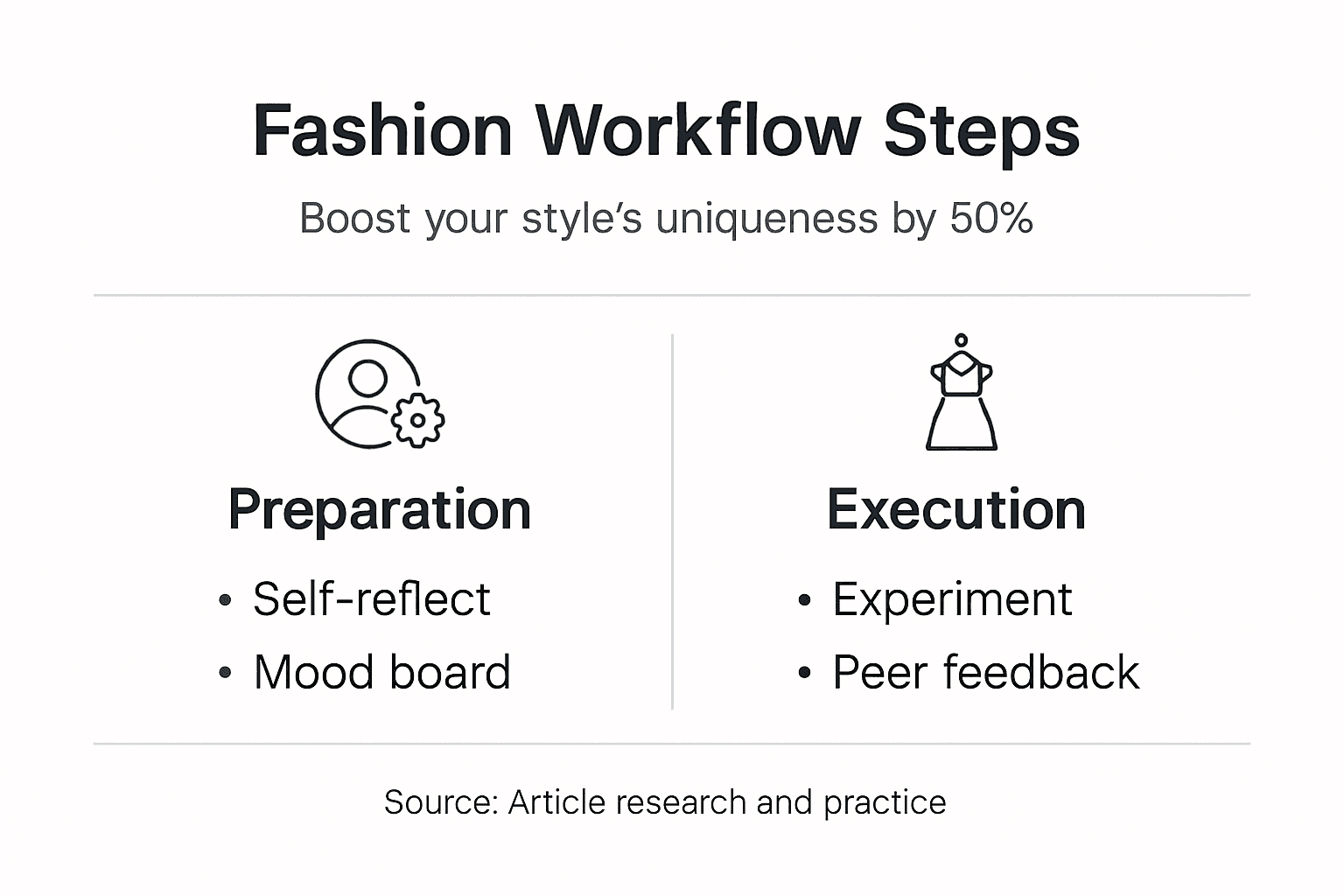
Step 1: Self-reflect on your values, personality, and style goals to anchor authentic identity. Spend time journaling about what matters to you culturally, politically, and personally. Identify three to five core values that you want your clothing to communicate, such as creativity, rebellion, sustainability, or heritage. Write down adjectives that describe your ideal self-presentation.
Step 2: Build mood boards that merge cultural, artistic, and streetwear inspirations to visualize cohesive style directions. Collect images, color palettes, fabric textures, and silhouettes that resonate with your values from Step 1. Creating a mood board that integrates personal values, cultural symbols, and current streetwear trends leads to a 50% higher likelihood of achieving a unique, coherent style. Group images into themes to identify recurring patterns that reveal your authentic aesthetic direction.
Step 3: Experiment with outfits iteratively and document results to learn what works best. Use your closet to test combinations inspired by your mood boards. Take photos of each outfit and note how you felt wearing it, where you wore it, and how others reacted. This documentation creates a personal lookbook that shows which pieces and combinations align with your goals. Refer to a step-by-step street fashion guide to refine your approach.
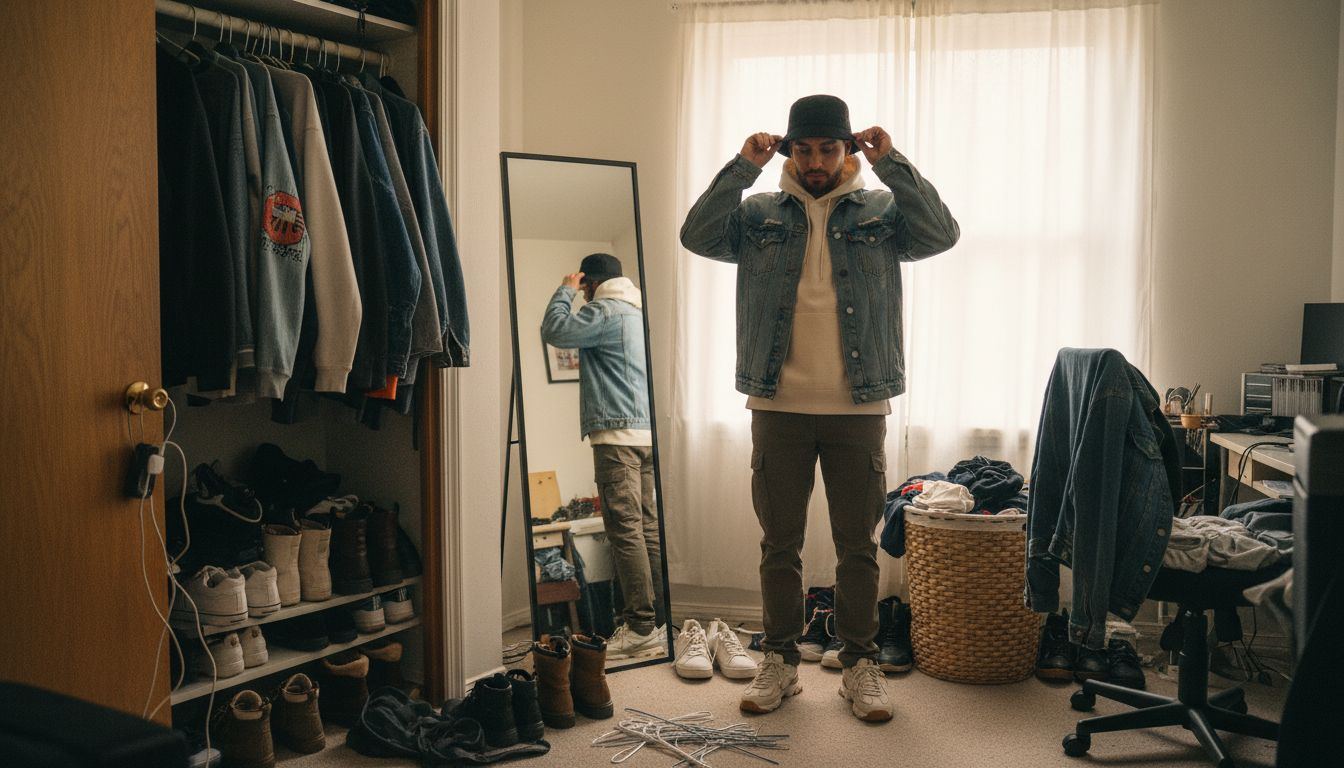
Step 4: Seek peer feedback for refinement and coherence. Share your documented outfits with trusted friends or online communities and ask specific questions like “Does this look coherent?” or “What vibe does this give off?” Feedback reveals blind spots and confirms when you’ve hit your authentic expression.
| Step | Rationale | Expected Outcome |
|---|---|---|
| Self-reflect on values and goals | Anchors style choices in authentic identity | Clear direction and reduced decision fatigue |
| Build integrated mood boards | Visualizes cohesive aesthetic directions | 50% higher style uniqueness |
| Experiment and document outfits | Reveals what works through real-world testing | Personal lookbook and confidence |
| Seek peer feedback | Validates coherence and reveals blind spots | Refined, audience-aware style |
Stay current by consulting a streetwear trends guide and learn to build a streetwear wardrobe that supports this iterative process.
Pro Tip: Dedicate one day per week to outfit experimentation rather than trying to figure it out during rushed mornings. This ritual builds momentum and makes the workflow feel like creative play rather than a chore.
Common Mistakes in Fashion Self-Expression and How to Fix Them
Understanding the steps is vital, but knowing how to avoid common errors ensures your style remains authentic and effective. Many creatives undermine their own progress through predictable pitfalls.
Over-accessorizing often dilutes your style’s core identity. When you pile on hats, chains, rings, and bags, each piece competes for attention and the overall message becomes muddy. Fix this by limiting accessories to one or two statement pieces per outfit that enhance rather than overwhelm your look. Let your clothing speak first.
Copying trends without personal adaptation lowers authenticity. Blindly copying trends reduces authenticity by 35%, harming personal style identity. Instead of adopting a trending silhouette or color palette wholesale, customize it by mixing it with pieces that reflect your values or adjusting proportions to suit your body and personality. This approach keeps you current without sacrificing individuality.
Copying trends may seem easy but reduces your style’s genuine voice by 35%, making you blend in rather than stand out.
Ignoring comfort leads to abandonment of styles. Research shows that uncomfortable outfits have a 25% higher abandonment rate because you stop wearing them after initial experimentation. Prioritize fit, breathable fabrics, and practical construction so your style becomes sustainable daily wear rather than an occasional costume.
Neglecting cultural symbolism harms perceived authenticity. Wearing symbols, patterns, or garments from cultures you don’t understand risks appropriation and signals superficiality. Fix this by researching the importance of symbolism and learning about empowering symbolism in streetwear to integrate cultural elements respectfully and meaningfully.
Alternative Approaches and Tradeoffs
With common pitfalls clear, let’s explore alternative styling approaches to complement or substitute the core workflow you’ve learned. Each method brings distinct advantages and limitations.
Digital avatar styling platforms speed up experimentation by about 30% but lack physical wardrobe interaction. Services like DressX or virtual fitting rooms let you test combinations instantly without changing clothes. This accelerates ideation and helps you visualize bold choices risk-free. However, digital platforms can’t replicate fabric drape, texture, or how garments move with your body, which are critical for real-world confidence.
DIY customization offers highest uniqueness, up to 70% more than off-the-rack pieces, but requires significant time and skill. Hand-painting jackets, distressing denim, or sewing custom patches creates one-of-a-kind pieces that no one else owns. Expect to invest approximately 15 hours per customized garment and develop skills through practice or tutorials. The tradeoff is unmatched originality at the cost of speed.
Mixing high fashion with streetwear adds boldness and versatility but risks style coherence. Pairing luxury brands with casual streetwear creates visual tension that can look innovative or disjointed depending on execution. This approach works best when you maintain a consistent color palette or silhouette language across high and low pieces. Without careful curation, the mix reads as random rather than intentional.
Leveraging social media provides abundant inspiration but demands critical selection to avoid trend dilution. Platforms like Instagram and TikTok surface thousands of outfit ideas daily, accelerating your learning curve. The danger is unconsciously mimicking influencers rather than filtering inspiration through your personal values. Use social media as a reference library, not a blueprint.
| Approach | Time Investment | Uniqueness Level | Ease of Use | Best For |
|---|---|---|---|---|
| Core Workflow | Medium (3-6 months) | High | Medium | Systematic style builders |
| Digital Avatars | Low (instant) | Medium | High | Quick experimenters |
| DIY Customization | High (15+ hours) | Very High | Low | Hands-on creatives |
| High-Low Mixing | Medium | Medium-High | Medium | Bold risk-takers |
| Social Media Curation | Low-Medium | Variable | High | Visual learners |
Explore more about alternative fashion approaches to deepen your understanding of each method’s philosophy and execution.
Pro Tip: Use digital platforms for quick exploration and brainstorming, then invest in DIY projects for pieces you’ll wear repeatedly. This hybrid approach balances speed with deep personalization.
Expected Results and Outcomes
After considering alternative methods, you’ll appreciate knowing what results to expect from applying the fashion self-expression workflow. Setting realistic expectations keeps you motivated through the inevitable learning curve.
Developing a coherent personal style takes 3 to 6 months of consistent effort. This timeline assumes weekly experimentation, regular documentation, and iterative refinement based on feedback. Some people accelerate this by immersing themselves daily, while others take longer if they experiment sporadically. Consistency matters more than intensity.
Peer recognition and personal satisfaction can increase by up to 60%. As your style becomes more coherent and authentic, people notice and comment positively. More importantly, you feel aligned between your internal identity and external presentation, which boosts confidence in all areas of life.
Personal style confidence typically improves by about 40%. When you stop second-guessing your outfit choices because they’re rooted in clear values and tested through experience, getting dressed becomes faster and more enjoyable. This confidence radiates in how you carry yourself.
Sustained style usage indicates strong alignment of fashion with self-identity. If you find yourself wearing your curated pieces consistently rather than reverting to safe defaults, you’ve successfully integrated self-expression into your daily routine. This metric matters more than any external validation.
Explore Streetwear Styles with ELEDOasis
With clear expectations set, discover how ELEDOasis can help you bring your style vision into reality. We offer curated streetwear styles for creatives and guides that support your self-expression journey at every stage. Stay ahead with insights on urban fashion trends shaping the culture and informing tomorrow’s looks.
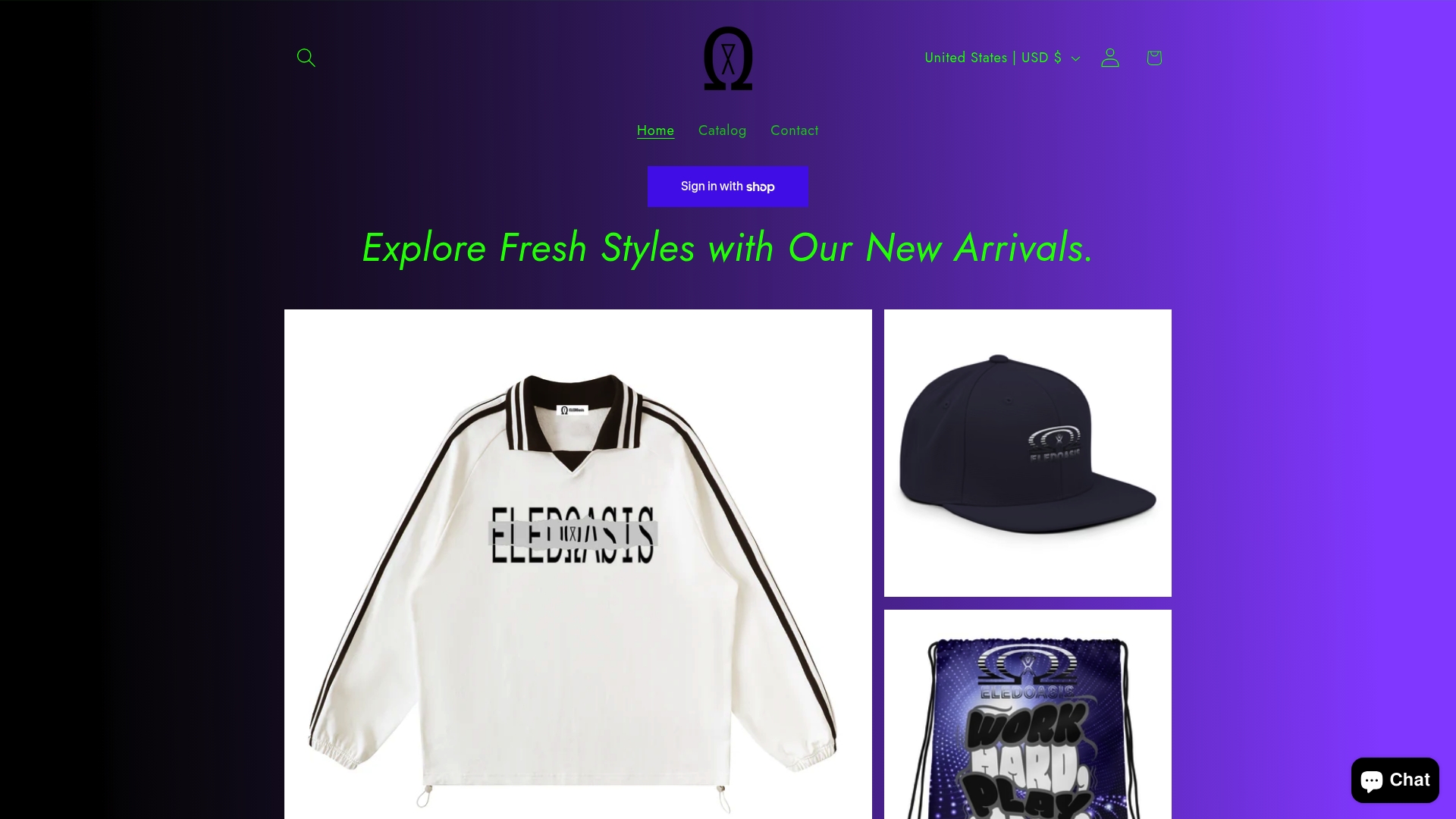
Shop high-performance apparel combining style and comfort for versatile streetwear looks. Our athletic fit tees provide the foundation for layering and experimentation. Each piece emphasizes bold symbolism and individual expression, helping you build a wardrobe that speaks your truth.
Frequently Asked Questions
How long does it typically take to develop a personal streetwear style?
Most people need 3 to 6 months of consistent weekly experimentation to build a coherent personal streetwear style. This timeline includes self-reflection, mood boarding, outfit testing, and refinement based on feedback. Some accelerate by dedicating more frequent sessions, while sporadic effort extends the timeline.
What tools are best for visualizing and planning streetwear outfits?
Pinterest and Lookbook excel for digital mood boards, offering easy organization and sharing. Physical sketchbooks provide tactile engagement that aids creative thinking. Outfit planning apps like Stylebook let you catalog your wardrobe and test combinations virtually before getting dressed.
How can I ensure my streetwear style reflects my cultural background respectfully?
Research the origins and meanings of symbols, patterns, and garments before incorporating them into your wardrobe. Consult members of the culture you’re drawing from and prioritize pieces from creators within that community. Authentic representation comes from understanding, not appropriation.
What are quick fixes if my style feels inconsistent or unauthentic?
Revisit your core values list and compare it against your recent outfits to spot misalignments. Limit your color palette to three main colors plus neutrals to create instant visual coherence. Remove pieces that don’t fit your identified aesthetic, even if they’re trendy or expensive.
Can I blend digital styling tools with physical outfit experimentation?
Absolutely, and this hybrid approach often yields the best results. Use digital tools to rapidly explore combinations and narrow options, then test your top choices physically to assess comfort, drape, and real-world wearability. Digital platforms accelerate ideation while physical testing validates authenticity.