Master streetwear accessory styling workflow for 2026
Streetwear enthusiasts often face a frustrating paradox: you want to express your unique style through accessories, but adding too many pieces can quickly turn a clean outfit into visual chaos. The difference between looking effortlessly styled and over-accessorized comes down to understanding proven frameworks that balance boldness with restraint. This guide delivers a practical workflow for styling streetwear accessories that amplify your personal expression while staying aligned with 2026’s urban fashion trends. You’ll learn the essential 3-2-1 rule, color coordination strategies, and layering techniques that transform accessories from afterthoughts into intentional style statements.
Table of Contents
- Understanding The 3-2-1 Rule And Accessory Selection
- Color And Material Coordination For Modern Streetwear
- Layering Techniques And Balancing Minimalism With Maximalism
- Step-By-Step Streetwear Accessory Styling Workflow
- Upgrade Your Streetwear Look With Eledoasis Gear
Key takeaways
| Point | Details |
|---|---|
| Apply the 3-2-1 rule | Use 1 hero piece, 2 active accessory zones, and max 3 visible pieces to avoid over-accessorizing |
| Coordinate metals with your palette | Match gold jewelry to warm tones and silver to cool neutrals for polished cohesion |
| Layer strategically | Mix chain lengths and textures thoughtfully to add depth without overwhelming your outfit |
| Choose your styling philosophy | Decide between minimalist quality focus or maximalist bold expression based on your goals |
Understanding the 3-2-1 rule and accessory selection
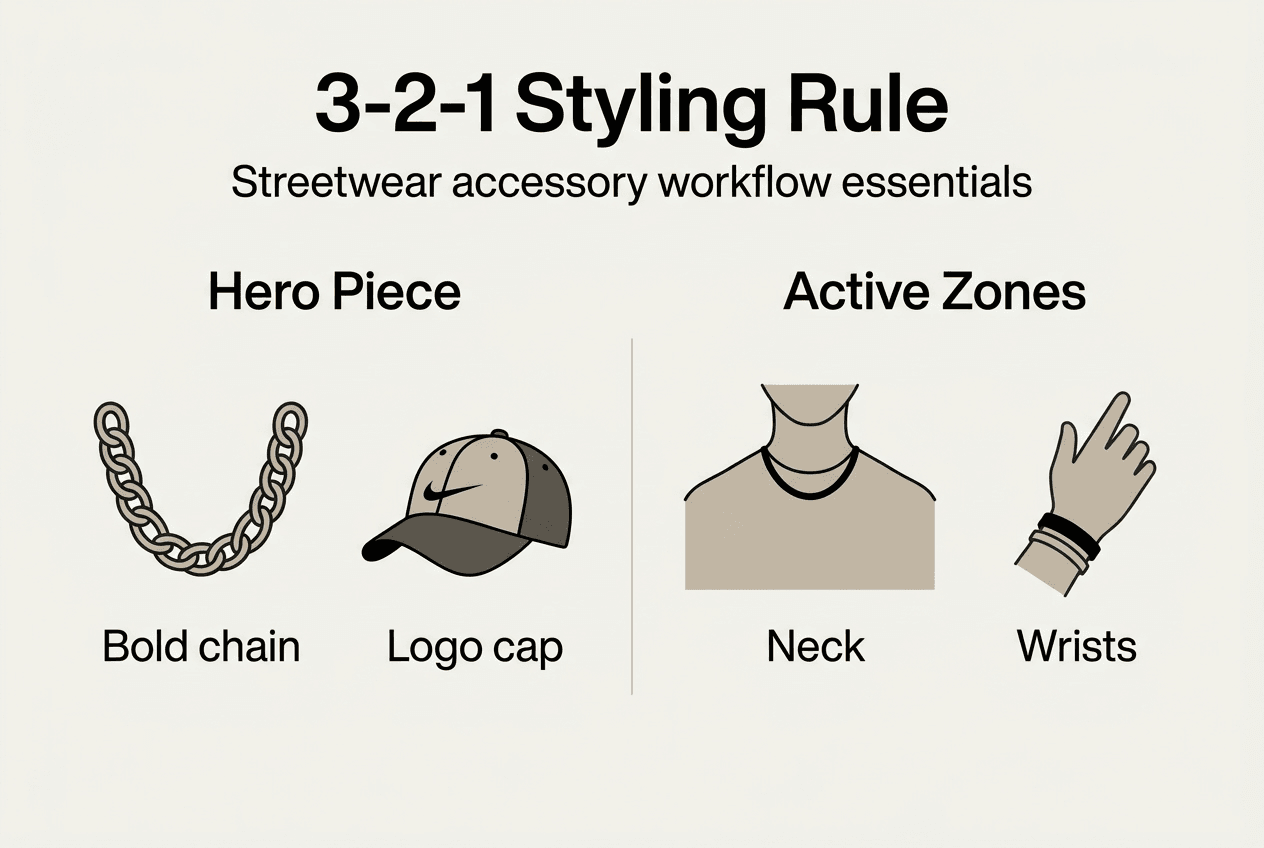
The foundation of effective streetwear accessory styling starts with the 3-2-1 rule: 1 hero piece, 2 active zones, and max 3 visible pieces. This framework prevents the common mistake of piling on accessories until your outfit loses its focal point. Your hero piece should be the statement item that draws attention first, whether that’s a chunky Cuban link chain, a graphic bucket hat, or an oversized watch with unique detailing. The remaining accessories fill supporting roles across two active zones on your body.
Active zones typically include your neck, wrists, fingers, and head. If your hero piece is a bold chain at your neck zone, you might activate your wrist zone with a single bracelet and your hand zone with one statement ring. This creates visual balance without competing focal points. Caps, beanies, and headwear occupy the head zone, while watches, bracelets, and wristbands claim the wrist zone. Rings and hand accessories form another distinct zone that’s easy to overdo.
Moderation matters most with rings and bracelets. Wearing more than two rings per hand or stacking multiple bracelets on one wrist can cross from styled to cluttered. Instead, select pieces that complement your hero item through shared materials or design language. A silver chain pairs naturally with a silver ring, creating intentional cohesion. When building your accessory collection, prioritize quality materials over quantity, as explored in streetwear layering techniques master 3 key steps.
Pro Tip: Invest in one exceptional hero piece rather than five mediocre accessories. Premium materials like solid sterling silver or quality stainless steel elevate your entire look and last for years.
Think of the 3-2-1 rule as your safety net for experimentation. You can push boundaries within this structure, trying bolder pieces or unexpected combinations, while maintaining the visual discipline that separates intentional styling from random accumulation. Start conservative with your zone activation, then gradually add pieces as you develop your eye for balance.
Color and material coordination for modern streetwear
Selecting the right metal finish transforms accessories from random additions into cohesive style elements. The choice between silver and gold depends heavily on your wardrobe’s color palette and the specific outfit you’re building. Gold jewelry naturally complements warm-toned streetwear: think earth tones, olive greens, burnt oranges, browns, and cream colorways. The warmth of gold brass or plated finishes creates visual harmony with these hues.
Silver, stainless steel, and white metals align perfectly with cooler, neutral palettes that dominate much of streetwear. Black hoodies, gray joggers, navy windbreakers, and classic denim all pair seamlessly with silver-toned accessories. Techwear aesthetics, which lean heavily on blacks, grays, and tactical neutrals, particularly benefit from the industrial feel of steel and silver finishes. This coordination extends beyond jewelry to watches, belt hardware, and bag accents.
When styling cargo pants and sneakers, consider how your footwear’s accent colors can guide your accessory choices. If your sneakers feature gold eyelets or warm tan suede panels, gold-toned jewelry reinforces that palette. Conversely, sneakers with chrome details or cool gray colorways call for silver accessories. This attention to detail creates outfits that feel intentionally composed rather than randomly assembled, as detailed in personalize streetwear essentials guide.
Key material and color combinations to master:
- Gold chains with olive, brown, cream, or earth-tone hoodies and tees
- Silver jewelry with black, gray, navy, or denim-heavy outfits
- Mixed metals only when one clearly dominates (80/20 rule)
- Matte black accessories with techwear and minimalist fits
- Rose gold for bridging warm and cool palettes in transitional seasons
Color coordination extends to non-metal accessories too. A black snapback with white embroidery pairs cleanly with monochrome fits, while a tan bucket hat works better with warmer palettes. Leather and fabric accessories should echo your outfit’s dominant or accent colors. Avoid introducing entirely new colors through accessories unless you’re deliberately creating a pop of contrast as your hero piece.
Layering techniques and balancing minimalism with maximalism
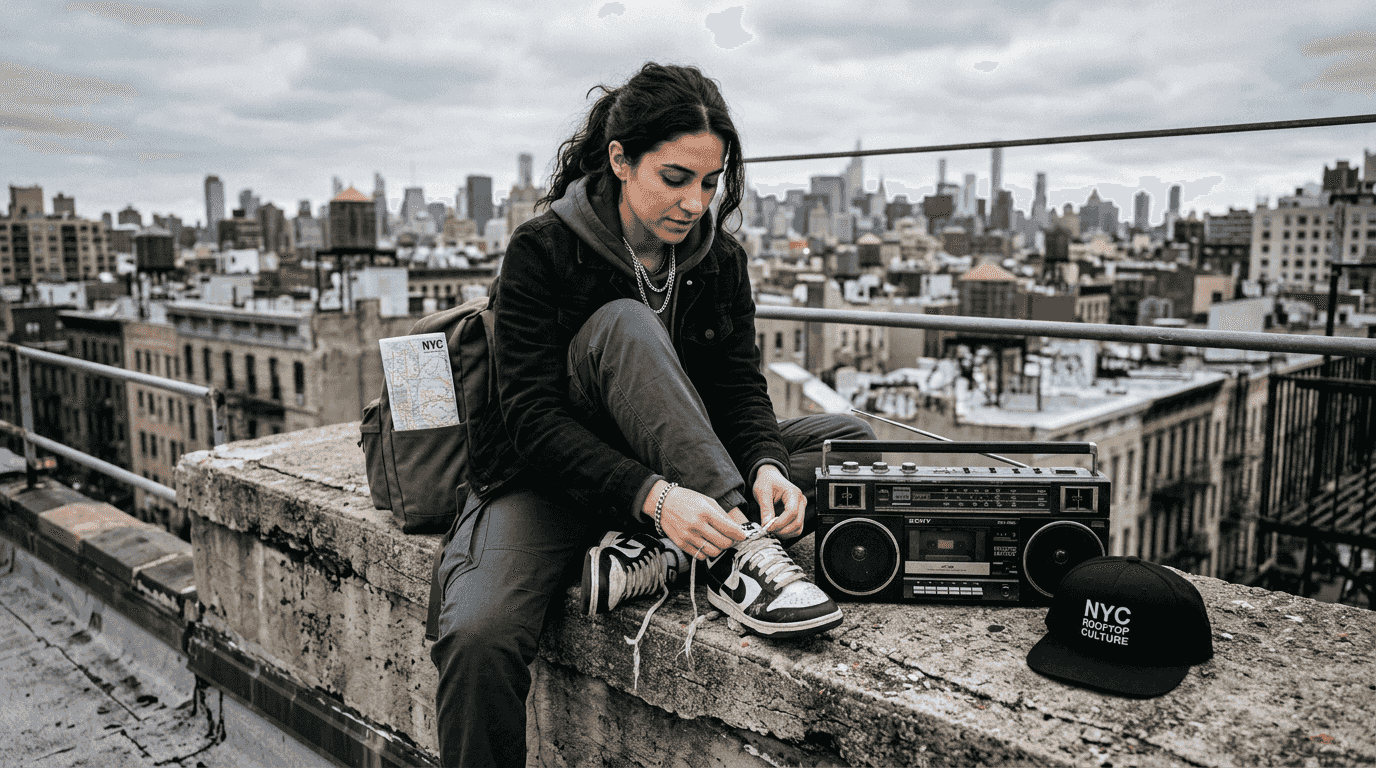
Layering accessories in streetwear requires deliberate technique to avoid looking overdone. Follow this sequence for effective layering:
- Select your hero piece first and build around it
- Add your longest chain or primary necklace as the base layer
- Introduce a shorter chain with different link style for texture contrast
- Incorporate wrist accessories that echo your chain metals
- Finish with one or two rings maximum per hand
- Step back and remove one piece if the look feels crowded
The philosophical divide between minimalism and maximalism shapes how you approach accessory styling. Understanding both helps you make intentional choices aligned with your expression goals.
| Aspect | Minimalism | Maximalism |
|---|---|---|
| Core philosophy | Quality over quantity, restraint, subtlety | Bold expression, abundance, visual impact |
| Typical piece count | 1-2 accessories total | 3-5+ accessories across zones |
| Material focus | Premium metals, timeless designs | Mixed materials, statement pieces, trends |
| Best for | Professional settings, understated confidence | Creative environments, self-expression, making statements |
| Styling approach | One exceptional hero piece, neutral palette | Layered chains, mixed metals, color pops |
| Common mistakes | Looking plain or unfinished | Visual clutter, competing focal points |
Pro Tip: When layering chains, vary lengths by at least 2-3 inches and mix link styles (Cuban with rope, or box with figaro) to create visual texture without redundancy.
Both minimalism and maximalism can serve as radical self-expression depending on context. In environments saturated with logos and excess, minimalism becomes a bold statement of confidence and restraint. Conversely, maximalist accessory styling can communicate defiance of conventional dress codes and celebration of personal identity. Neither approach is inherently superior; the right choice depends on your environment, personality, and the message you want your style to convey.
Maximalist styling works best when you maintain some organizing principle. Perhaps all your accessories share a metal finish, or they echo a specific design era like 90s hip-hop or Y2K aesthetics. This creates intentional abundance rather than random accumulation. Minimalist styling demands exceptional quality since each piece receives full attention. A single perfect chain or ring must earn its place through superior craftsmanship and design, explored further in style streetwear for bold self-expression and bold fashion statements examples.
Step-by-step streetwear accessory styling workflow
Apply this practical workflow when styling any streetwear outfit with accessories:
- Assess your outfit’s vibe and color palette before touching accessories
- Identify your hero piece based on the occasion and expression goal
- Determine which two zones will be active alongside your hero piece
- Select complementary accessories that share metal finish or design language
- Layer pieces starting with largest/longest items first
- Photograph your outfit or check a full-length mirror from 6 feet away
- Remove one accessory if anything feels excessive or competing
- Verify metal finishes coordinate with your outfit’s warm or cool tones
Chains are versatile entry points into streetwear jewelry that instantly elevate plain outfits. Understanding chain specifications helps you make informed choices:
| Chain Type | Typical Thickness | Recommended Length | Style Impact |
|---|---|---|---|
| Cuban link | 6-12mm | 20-24 inches | Bold, classic hip-hop aesthetic |
| Rope chain | 4-8mm | 22-26 inches | Texture-rich, catches light dynamically |
| Box chain | 3-6mm | 18-22 inches | Clean, modern, pairs well with pendants |
| Figaro chain | 5-10mm | 20-24 inches | Italian-inspired, alternating link pattern |
| Tennis chain | 3-5mm | 18-20 inches | Refined, works for layering |
For tees and lightweight tops, chains between 20-24 inches sit perfectly at the collarbone to mid-chest, creating visual interest without overwhelming your neckline. Hoodies and crewneck sweatshirts can handle longer chains (24-28 inches) that drape over the garment, especially when you want the chain visible outside your hoodie. Thickness matters too: thinner chains (3-6mm) suit minimalist fits, while chunky links (8mm+) make bold statements that demand simpler outfits.
Common mistakes to avoid during your styling workflow include wearing more than two rings per hand, mixing warm and cool metals equally (pick one to dominate), and adding accessories that introduce completely new colors to your palette. Clashing metals creates visual confusion, while excessive rings make even simple gestures look cluttered. If you’re unsure whether you’ve crossed into over-accessorizing, remove your most recently added piece and reassess.
Experimentation within the 3-2-1 framework builds your personal style vocabulary over time. Try pairing unexpected accessories like a leather wrist cuff with silver chains, or mixing vintage and modern pieces. Document combinations that work well for future reference, and don’t hesitate to break rules once you understand why they exist. The workflow provides structure, but your unique expression emerges through intentional choices that reflect your personality and align with resources like build streetwear capsule wardrobe.
Upgrade your streetwear look with ELEDOasis gear
Mastering accessory styling creates the perfect foundation, but pairing those techniques with quality streetwear essentials completes your urban aesthetic. ELEDOasis offers curated pieces designed for the self-expression and bold style this workflow enables. Our utility crossbody bag functions as both practical storage and a statement accessory that activates your torso zone without competing with jewelry. The clean lines and durable construction complement minimalist and maximalist approaches equally.
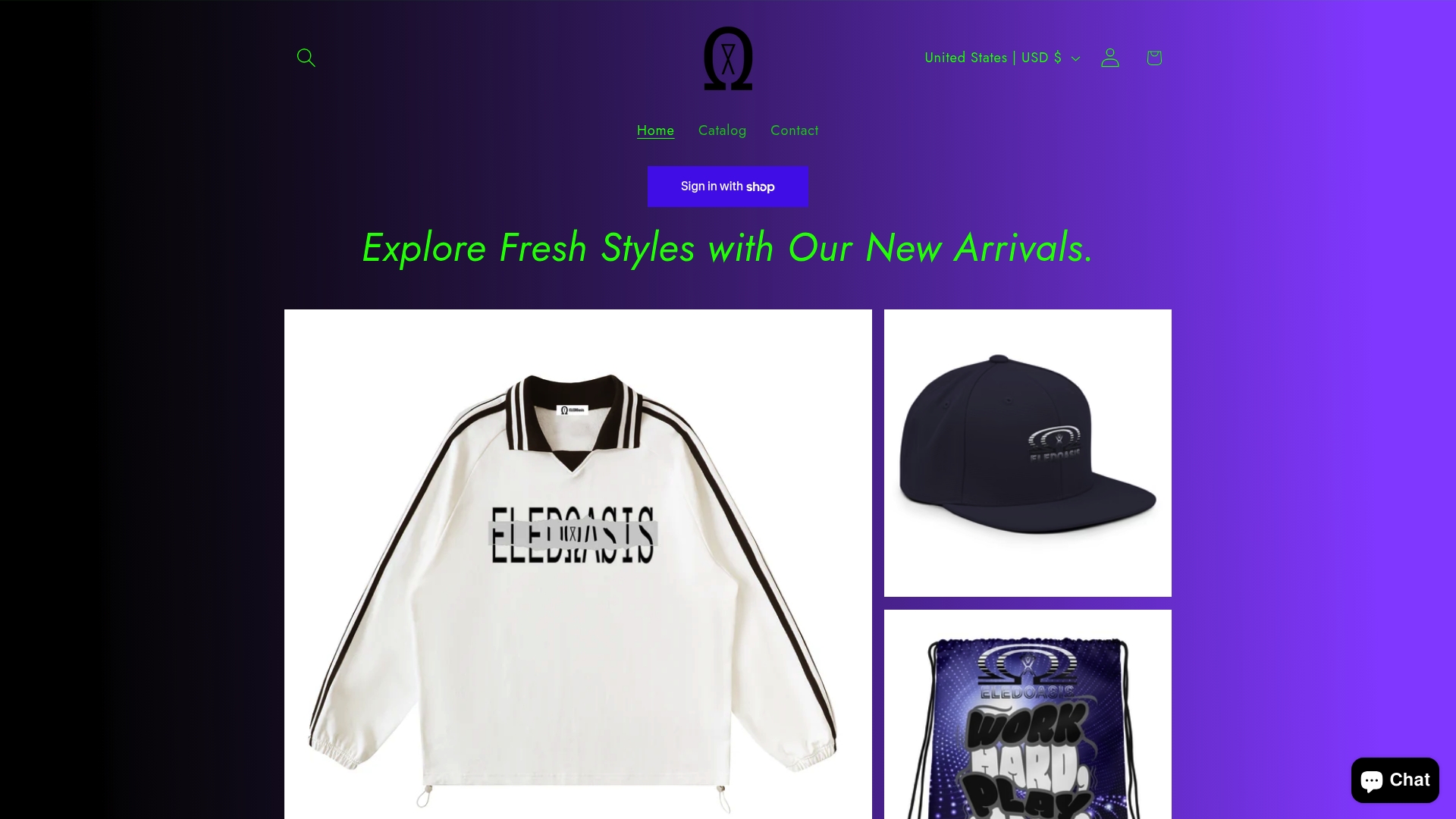
Layer your styled accessories over our performance workout tee for a foundation that handles urban exploration and active lifestyles. The moisture-wicking fabric and athletic fit provide the clean canvas your accessory choices deserve, while the quality construction ensures your gear matches the intentionality of your styling. Explore our collections to find apparel and accessories that support your unique expression and align with the streetwear trends shaping 2026’s urban fashion landscape.
FAQ
What is the 3-2-1 rule in streetwear accessory styling?
The 3-2-1 rule means wearing 1 hero statement piece, activating 2 accessory zones on your body, and keeping max 3 total visible accessories. For example, you might wear a bold chain as your hero, then add a watch and one ring across two other zones. This framework prevents over-accessorizing while maintaining visual interest and intentional styling.
How do I choose between gold and silver accessories for my outfit?
Match gold jewelry to warm-toned outfits featuring earth tones, olive, brown, or cream colors. Choose silver or steel accessories for cool-toned fits with black, gray, navy, or denim as dominant colors. Your sneaker accents and existing hardware can guide this choice, and you should let one metal finish dominate at least 80% of your accessories.
Can I mix minimalist and maximalist accessory approaches?
You can blend elements by maintaining a consistent organizing principle like shared metal finish or design era. Start with a minimalist base of one quality hero piece, then add maximalist touches through layered chains or multiple rings if the occasion supports it. The key is intentionality rather than random accumulation across philosophies.
What are the most common streetwear accessory styling mistakes?
Wearing more than two rings per hand creates visual clutter, while mixing warm and cool metals equally (instead of letting one dominate) causes confusion. Adding accessories that introduce entirely new colors to your palette disrupts cohesion. Over-layering chains without varying length or link style also creates redundancy rather than texture.
How many chains can I layer without looking overdone?
Two to three chains maximum works for most streetwear fits when you vary lengths by 2-3 inches and mix link styles like Cuban with rope or box with figaro. Ensure chains share a metal finish and that your outfit remains relatively simple to let the layering shine. Always remove one chain if your chest area feels visually crowded.
Should my accessories match my sneakers?
Your accessories should coordinate with your sneakers’ accent colors and hardware rather than perfectly match them. If your sneakers feature gold eyelets or warm tan panels, gold-toned jewelry reinforces that palette naturally. Chrome details or cool gray colorways in footwear pair well with silver accessories for visual cohesion across your entire outfit.