Streetwear layering techniques: 80% use this fit balance
Struggling to layer your streetwear without looking like a marshmallow? You’re not alone. Many young adults find layering overwhelming, ending up with bulky outfits that hide their unique style. The secret lies in strategic combinations that balance fit, fabric, and color. This guide reveals practical streetwear layering techniques to enhance your artistic self-expression while staying comfortable and mobile throughout your day.
Table of Contents
- What You Need Before You Start: Prerequisites And Essential Pieces
- Mastering The Basics: Layering Fundamentals For Streetwear
- Step-By-Step Layering Techniques For Young Adults
- Seasonal Adaptation: Layering For All Weather
- Using Accessories To Amplify Your Layering Game
- Common Mistakes And How To Fix Them
- Expected Outcomes: What Successful Streetwear Layering Looks Like
- Boost Your Layering Style With Eledoasis Streetwear
- Frequently Asked Questions About Streetwear Layering
Key takeaways
| Point | Details |
|---|---|
| Balance fit types | Mix oversized and slim pieces to maintain silhouette and avoid bulk |
| Start with foundations | Build from lightweight base layers using breathable fabrics |
| Limit layer count | Stick to 3-4 layers maximum for comfort and visual clarity |
| Add accessories strategically | Use hats, bags, and sneakers to introduce color and texture |
| Adapt seasonally | Adjust fabric weight and layer quantity based on weather conditions |
What you need before you start: prerequisites and essential pieces
Before you start combining layers, you need the right foundation pieces in your wardrobe. A basic wardrobe with hoodies, tees, and jackets is key for layering effectively. These core items form the building blocks of every outfit you’ll create.
Start with these essential garments:
- Lightweight tees and tanks in neutral colors (white, black, gray)
- Mid-weight hoodies and long sleeves for texture
- Versatile jackets like bombers, coaches jackets, or denim
- Quality joggers or jeans in various fits
Fabric variety creates visual interest and ensures comfort. Mix cotton tees with fleece hoodies and nylon jackets to achieve depth. Each material offers different texture and weight, allowing you to adapt to changing temperatures without sacrificing style.
Color coordination simplifies outfit assembly. Understanding basic color theory helps coordinate layers effortlessly by giving you frameworks to work within. Focus on monochromatic palettes (different shades of one color) or complementary combinations (colors opposite on the color wheel) for foolproof coordination.
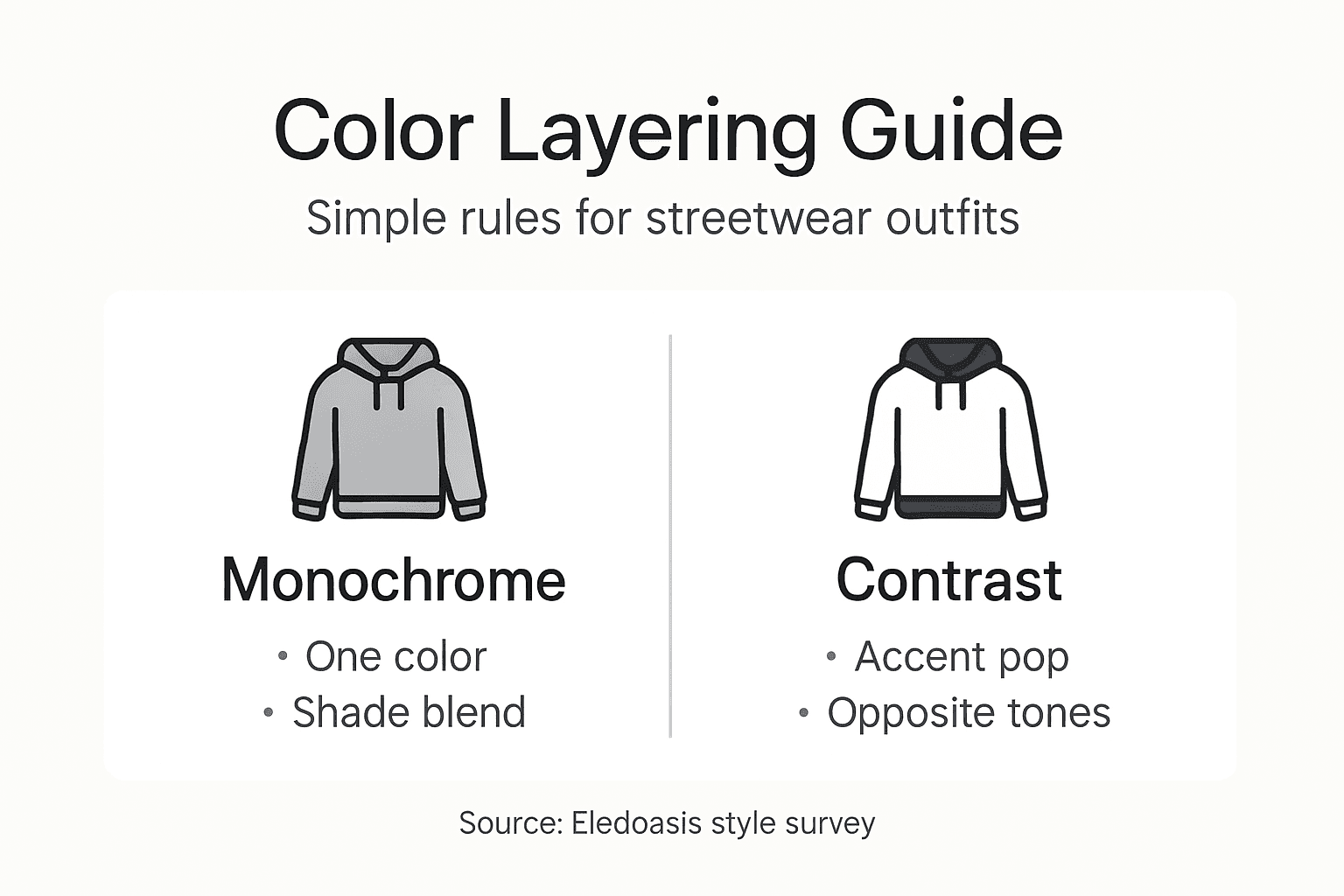
Pro Tip: Invest in two or three high-quality staple pieces rather than buying many cheap items. Quality garments hold their shape better when layered and last through repeated wear.
Budget wisely by prioritizing versatile pieces that work across multiple outfits. A well-fitting hoodie or solid jacket becomes the foundation for dozens of looks. Build your collection gradually, adding pieces that fill gaps in your existing wardrobe rather than duplicating what you already own.
Mastering the basics: layering fundamentals for streetwear
Effective layering balances three core elements: fit variation, fabric texture, and color harmony. Research shows 80% of stylish streetwear outfits mix oversized and slim fits to avoid bulky looks. This principle prevents the marshmallow effect while maintaining visual interest.
Fit variation creates natural contrast in your silhouette. Pair a fitted base layer tee with an oversized hoodie, then add a structured jacket that falls between these extremes. This progression guides the eye and prevents any single piece from overwhelming your frame.
Texture mixing adds dimension without adding bulk:
- Smooth cotton tees under textured knit hoodies
- Matte fabrics paired with subtle sheen from nylon or polyester
- Soft fleece contrasted with crisp denim or canvas
- Ribbed materials layered with flat weaves
Your color approach determines outfit cohesion. Monochromatic schemes use variations of one color family, creating sophisticated depth through tonal differences. Complementary palettes introduce controlled contrast that energizes your look without clashing. Stick to three main colors maximum to maintain visual clarity.
Pro Tip: When learning to style streetwear boldly, photograph your outfits from multiple angles. This reveals proportion issues you might miss in the mirror.
Layering order matters for both comfort and aesthetics. Base layers sit closest to your skin and should be lightweight and breathable. Mid layers provide warmth and visual interest through color or graphics. Outer layers define your silhouette and protect against weather. Each tier serves a distinct purpose in your outfit architecture.
Step-by-step layering techniques for young adults
Building a layered streetwear outfit follows a logical sequence from foundation to finish. Starting with a lightweight base layer ensures comfort and flexibility throughout your day. Follow these steps to construct balanced, stylish looks:
-
Choose your base layer: Select a fitted or slightly loose tee or tank in a neutral color. This layer contacts your skin, so prioritize soft, breathable fabrics like cotton or moisture-wicking blends.
-
Add your mid layer: Pull on a hoodie, long sleeve, or lightweight sweater that introduces color, graphics, or texture. This layer should be noticeably looser than your base but not excessively baggy.
-
Top with your outer layer: Finish with a jacket, coat, or overshirt that defines your final silhouette. Choose a piece that complements your mid layer’s fit without replicating it exactly.
-
Incorporate accessories: Add dimension with strategic accessories that enhance rather than overwhelm.
-
Check your proportions: Step back and assess overall balance, adjusting fits as needed.
Mid layer selection significantly impacts your outfit’s personality. Hoodies bring casual comfort and urban edge. Button-up shirts add structure and can be worn open over tees for visual layering. Lightweight sweaters offer texture variation and work across seasons.
Outer layer choices define your outfit’s weather readiness and style statement:
- Bomber jackets: Classic streetwear staple with clean lines
- Denim jackets: Versatile and easy to style across seasons
- Windbreakers: Technical aesthetic with practical weather protection
- Coaches jackets: Lightweight coverage with minimalist appeal
Pro Tip: When exploring streetwear outfit ideas, lay out your complete outfit before dressing. This preview helps you spot fit imbalances or color clashes before you commit.
Accessories complete your layered look by adding personal flair. Beanies and caps introduce vertical elements that balance horizontal layering. Crossbody bags or backpacks add functional style. Statement sneakers ground your outfit with color or texture that ties upper layers together. Keep accessory choices intentional rather than excessive to maintain visual clarity.
Seasonal adaptation: layering for all weather
Successful layering adapts to temperature shifts while maintaining your signature style. Lightweight mid-layers help transition between seasons without overheating, giving you flexibility throughout the year. Modify your approach based on outdoor conditions and your activity level.
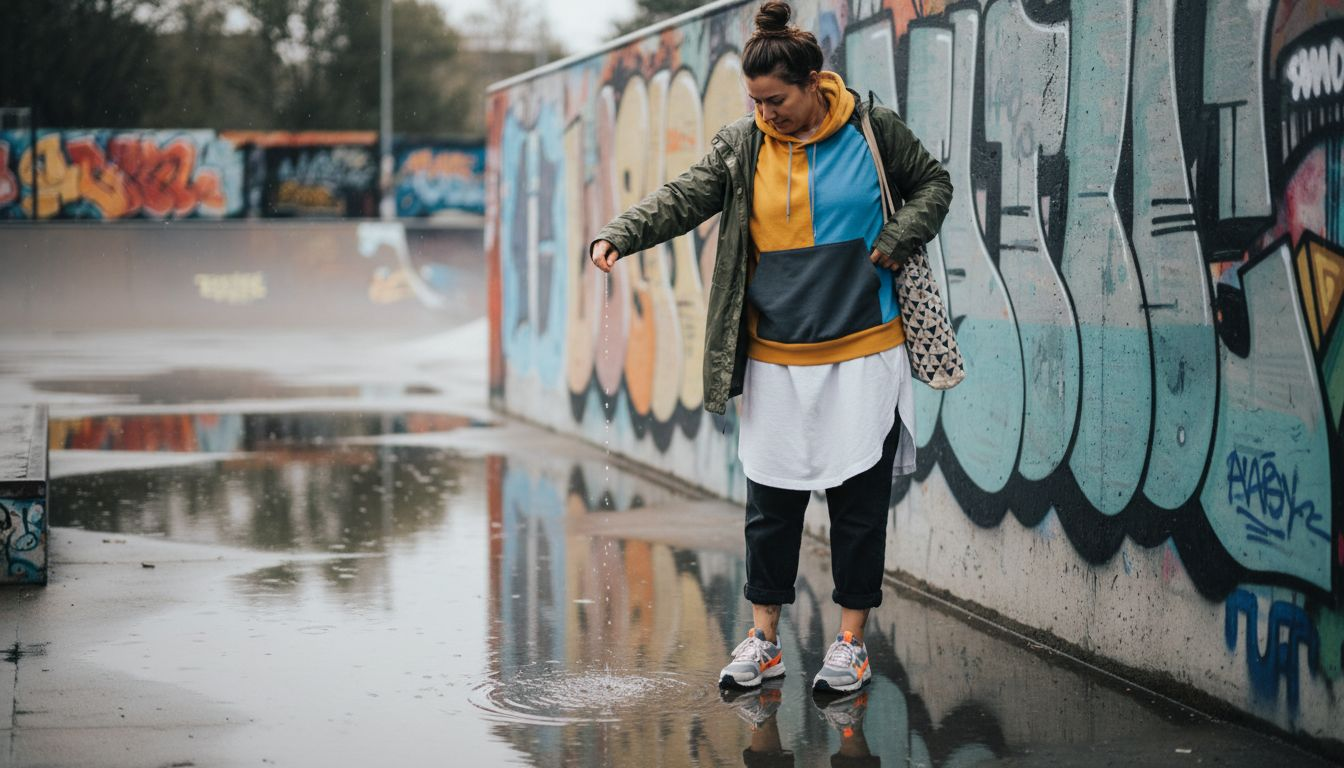
Cold weather demands strategic warmth without bulk. Layer hoodies under insulated jackets or parkas for maximum heat retention. Choose thermal or merino wool base layers that trap warmth close to your skin. Add a scarf or neck gaiter for extra protection without adding a full layer.
Mid-season layering requires the most flexibility:
- Spring: Light tees with unlined jackets or hooded flannels
- Fall: Long sleeves under coaches jackets or light bombers
- Variable days: Zip or button outer layers you can remove easily
Summer layering seems counterintuitive but works with the right fabrics. Choose breathable materials like linen blends or lightweight cotton. Layer a short-sleeve button-up over a tank for sun protection and style. Keep outer layers minimal or skip them entirely, using accessories to create visual depth instead.
| Season | Base Layer | Mid Layer | Outer Layer |
|---|---|---|---|
| Winter | Thermal tee | Fleece hoodie | Insulated parka |
| Spring | Cotton tee | Light hoodie | Windbreaker |
| Summer | Tank or light tee | Optional thin button-up | Skip or very light |
| Fall | Long sleeve | Flannel or sweater | Denim or bomber jacket |
Weather-appropriate outerwear protects your layers underneath. Water-resistant coaches jackets handle light rain. Technical windbreakers block cold gusts while maintaining breathability. Heavy parkas provide serious insulation for harsh winter conditions. Match your outer layer to actual weather rather than calendar dates for maximum comfort.
Adjust layer quantity based on your activity level. Commuting requires more layers than active pursuits like skateboarding or dancing. Plan to remove a layer if you’ll be moving vigorously. This prevents overheating and keeps your outfit functional throughout varied daily activities.
Using accessories to amplify your layering game
Accessories transform good layered outfits into exceptional personal statements. Accessories like hats and bags add color pops and texture variation, boosting outfit uniqueness without requiring additional clothing layers. Strategic accessory choices let you express creativity while maintaining comfortable, mobile outfits.
Headwear options suit different aesthetics and weather needs:
- Beanies: Classic streetwear essential that adds color and frames your face
- Snapbacks or dad caps: Casual attitude with adjustable branding opportunities
- Bucket hats: Trend-forward option that provides sun protection
- Durags or bandanas: Cultural expression that adds pattern or texture
Bags serve dual purposes as functional storage and style elements. Crossbody bags keep essentials accessible while adding diagonal visual lines that break up horizontal layering. Backpacks provide practical capacity and can introduce bold colors or technical materials. Keep bag size proportional to your frame and outfit volume to avoid overwhelming your silhouette.
Footwear grounds your entire outfit and offers major style impact. Statement sneakers in bold colors create focal points that draw the eye downward. Classic white or black shoes provide neutral foundations that let your layers shine. High-top sneakers add visual weight that balances bulkier upper layers.
Pro Tip: Use accessories to introduce a third accent color when your layers use only two main colors. This small addition creates visual complexity without requiring outfit reconstruction.
Jewelry and small details personalize your look further. Simple chain necklaces add subtle shine. Watches combine function with style. Rings or bracelets contribute personal touches that reflect your individual taste. Keep these elements minimal to complement rather than compete with your layered clothing.
Balance is essential when accessorizing layered outfits. If your layers include bold graphics or patterns, choose simpler accessories. When your clothing uses neutral tones, accessories can be more adventurous with color or design. Avoid wearing every accessory you own simultaneously. Select two or three key pieces that enhance your outfit’s story without creating visual chaos.
Common mistakes and how to fix them
Even experienced streetwear enthusiasts make layering errors that compromise their outfits. Studies indicate 58% of beginners over-layer causing bulky, uncomfortable outfits. Recognizing these pitfalls helps you avoid them and refine your technique.
Over-layering creates unflattering bulk and restricts movement. Limit yourself to three or four layers maximum depending on weather. Each additional layer should serve a clear purpose for warmth, style, or both. If you can’t articulate why you need a layer, remove it.
Poor fabric choices lead to discomfort and sweat:
- Avoid heavy, non-breathable base layers that trap moisture
- Skip stiff fabrics that restrict movement when layered
- Choose natural fibers or technical blends over cheap polyester
- Test fabric drape before buying to ensure it layers smoothly
Mismatched fits destroy silhouette balance. Wearing multiple oversized pieces creates shapeless bulk. Stacking only slim fits looks constricted and uncomfortable. Alternate between looser and more fitted pieces to maintain proportion and visual interest.
Neglecting color coordination results in chaotic outfits. Random color combinations without underlying logic appear thoughtless. Stick to established color relationships: monochromatic, complementary, or analogous (colors next to each other on the color wheel). When in doubt, build around neutrals and add one accent color.
Rushing outfit assembly leads to poor choices. Taking five extra minutes to consider proportions, colors, and textures dramatically improves results. Lay out options before dressing. Try different combinations. Photograph yourself to see what works. This investment pays off in confidence and style.
Ignoring urban fashion mistakes others have documented means repeating avoidable errors. Learn from the streetwear community’s collective experience. Study outfits you admire and analyze what makes them work. Apply these insights to your own layering practice for faster improvement.
Expected outcomes: what successful streetwear layering looks like
Mastering layering techniques produces measurable style improvements. Successful layering combines multiple fabric textures, balanced fits, and color coordination for unique, comfortable style. You’ll know you’ve succeeded when your outfits meet these criteria.
Comfort and mobility remain priorities despite multiple layers. Your clothes should move with you, not against you. You can reach, bend, and go about daily activities without restriction. Layers stay in place rather than bunching or riding up.
Visual balance creates pleasing proportions:
- Clear definition between each layer without excessive bulk
- Smooth transition from fitted to looser pieces
- Intentional color placement that guides the eye
- Cohesive aesthetic from head to toe
Your outfit expresses your unique artistic identity. Layering gives you tools to showcase personality through strategic combinations. You feel confident that your clothes represent your authentic self rather than copying others wholesale.
Clear contrasts prevent muddy, indistinct looks. Each layer remains visually distinct through color, texture, or fit differences. Your outfit reads as intentionally constructed rather than accidentally assembled. Others can identify individual pieces and appreciate how they work together.
| Unsuccessful Layering | Successful Layering |
|---|---|
| Bulky, shapeless silhouette | Defined, balanced proportions |
| Restricted movement | Full range of motion |
| Random color clashing | Cohesive color story |
| Visible discomfort | Confident, comfortable wear |
| Copies trending outfits exactly | Personal interpretation of trends |
Consistency across outfits signals developing expertise. You can replicate good results rather than achieving them accidentally. Your layering principles apply across different pieces and occasions. Friends start asking for style advice, recognizing your improved skills.
Your wardrobe works harder with fewer pieces. Effective layering means you create more outfits from existing clothes. Each item combines with multiple others, multiplying your options without expanding your closet. This efficiency reflects true style mastery beyond simple consumption.
Boost your layering style with Eledoasis streetwear
Ready to elevate your layering game with pieces designed for self-expression? Eledoasis offers streetwear collections that merge art, symbolism, and individual style. Our curated selection includes essential layering pieces like graphic hoodies, versatile tees, and statement outerwear perfect for building unique looks.

Discover the latest urban demographic fashion trends shaping streetwear culture in 2026. Explore guides on the essential types of streetwear styles to identify pieces that match your creative vision. Every item at Eledoasis supports bold, visionary style that helps you stand out and express your authentic self through thoughtful layering.
Frequently asked questions about streetwear layering
How can I layer streetwear without feeling bulky?
Mix fitted base layers with progressively looser mid and outer layers to maintain definition. Limit yourself to three or four total layers and choose breathable fabrics that drape smoothly rather than adding stiff bulk.
What are the must-have layering pieces in streetwear?
Start with neutral tees, versatile hoodies, and quality outerwear like bomber or denim jackets. These foundational pieces combine endlessly and work across seasons when you style streetwear boldly with confidence.
How do accessories impact layering style?
Accessories add visual interest and personal expression without adding clothing layers. Strategic use of hats, bags, and statement sneakers introduces color pops and texture variation that completes your outfit.
Can layering be adapted for summer streetwear looks?
Absolutely. Choose lightweight, breathable fabrics and limit layers to two or three maximum. Use open button-ups over tanks or skip mid-layers entirely while using accessories to create depth and dimension.
How long does it take to master streetwear layering?
Most people see significant improvement within two to three weeks of conscious practice. Experiment daily, photograph outfits to track progress, and learn to personalize streetwear essentials that reflect your unique artistic vision.
Should I match metals in my accessories when layering?
Matching metals creates cohesion, but mixing metals works if done intentionally. Keep metal tones within the same warmth family or use one dominant metal with minimal accents in another tone.