Explore the role of graphics in streetwear culture 2026
Graphics in streetwear do more than decorate fabric. They act as visual statements that define identity, communicate cultural values, and connect you with communities that share your worldview. From graffiti-inspired lettering to bold character illustrations, these designs transform clothing into wearable art that speaks volumes about who you are and what you stand for. Understanding how graphics shape streetwear culture empowers you to make more intentional style choices, appreciate the artistry behind your favorite pieces, and recognize the deeper meanings woven into every design. This article reveals the artistic roots, cultural language, design strategies, and fabric considerations that make graphics the heartbeat of streetwear.
Table of Contents
- The Artistic Roots Of Streetwear Graphics
- Streetwear Illustrations As A Cultural Language
- Balancing Minimalist And Graphic-Heavy Designs In Streetwear
- Fabric And Branding: Enhancing The Graphic Streetwear Experience
- Check Out Streetwear-Inspired Apparel At EledOasis
Key takeaways
| Point | Details |
|---|---|
| Graphics fuse art and identity | Streetwear graphics transform personal style into cultural statements through visual expression |
| Urban culture drives design | Street art techniques and graffiti aesthetics shape the visual language of streetwear graphics |
| Design balance impacts business | Minimalist and graphic-heavy styles serve different market goals and consumer behaviors |
| Fabric choices matter | Polyester blends retain graphic vibrancy longer than cotton, affecting visual impact and longevity |
The artistic roots of streetwear graphics
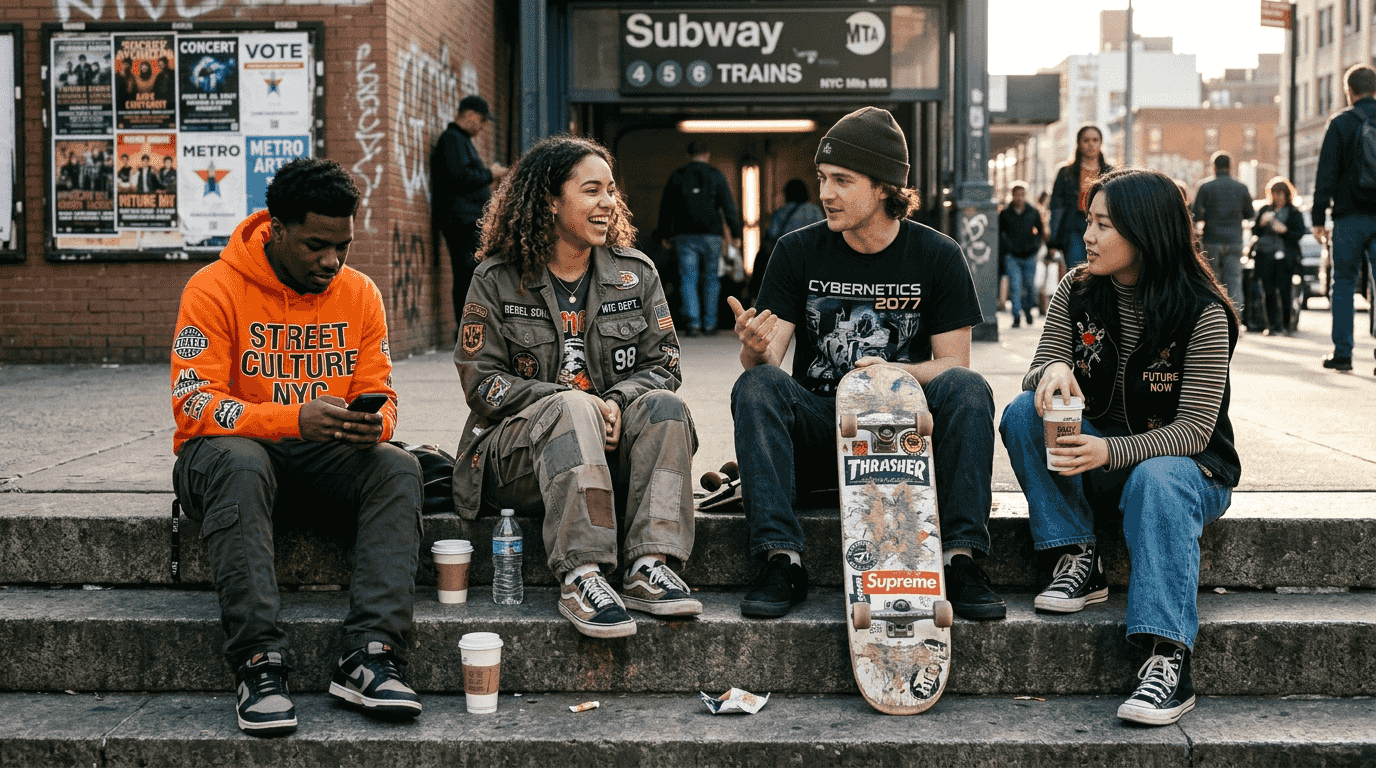
Street art and urban culture form the foundation of streetwear graphics, creating a visual language that speaks directly to youth communities. Street art has profoundly transformed contemporary graphic design, especially in typography, color composition, and reinterpretation of urban language. This influence shows up in every element of streetwear, from the fluid brush strokes that mimic spray paint techniques to the layered textures that echo weathered city walls.
Urban aesthetics prioritize contrast and energy over traditional design rules. You see vibrant colors clashing intentionally, unconventional compositions that break grid systems, and raw imperfection celebrated as authenticity. These choices reflect the spontaneous, rebellious spirit of street culture where perfection matters less than genuine expression. The role of art in streetwear extends beyond decoration to become a core identity marker that separates streetwear from mainstream fashion.
Typography in streetwear borrows heavily from graffiti culture, adopting bold lettering, exaggerated proportions, and gestural qualities that suggest movement and urgency. These design choices create immediate visual impact, making statements that can be read from across a room or captured in a quick social media scroll. The letters themselves become graphic elements, not just vehicles for words.
Key street art techniques that influence streetwear graphics include:
- Layering and texture building that creates depth and visual complexity
- High contrast color palettes that grab attention and communicate energy
- Handwritten elements that add personality and reject corporate polish
- Stencil effects and spray paint aesthetics that reference urban environments
“Street art challenges conventional beauty standards and celebrates imperfection as a form of authentic expression, making it the perfect visual language for streetwear’s anti-establishment ethos.”
This artistic foundation gives streetwear graphics their distinctive character. The imperfections, the bold gestures, and the urban references all work together to create designs that feel alive and connected to real cultural movements rather than manufactured trends.
Streetwear illustrations as a cultural language
StreetWear illustrations function as more than visual decoration. They communicate cultural values, attitudes, and stories that resonate deeply with urban youth communities. Streetwear illustration functions as an effective visual language, communicating cultural values, attitude, and emotion through carefully crafted imagery that speaks to shared experiences and aspirations.
Bold lettering, character-driven graphics, and layered compositions tell stories without words. A hoodie featuring a stylized character might represent resilience, rebellion, or aspiration depending on the visual treatment and cultural context. These illustrations capture the informality and directness of street culture, rejecting the polished aesthetics of traditional fashion in favor of raw authenticity that feels personal and accessible.
Collaborations between visual artists and streetwear brands heighten this cultural relevance. When established graffiti artists or illustrators partner with clothing labels, they bring credibility and artistic legitimacy that resonates with communities who value authenticity. These partnerships create designs that feel like genuine cultural artifacts rather than corporate products trying to capitalize on trends. The streetwear culture definition 2026 emphasizes this collaborative spirit as central to the movement’s identity.
The visual language of streetwear illustrations includes several distinctive elements:
- Character-based graphics that personify attitudes, emotions, or cultural archetypes
- Text integration that blends words with imagery to reinforce messages
- Cultural references that connect to music, skateboarding, basketball, and urban life
- Emotional intensity conveyed through color choices, composition, and stylistic treatment
This style promotes self-expression and individuality while simultaneously creating community through shared visual vocabulary. When you wear a graphic that references a specific cultural moment or artistic movement, you signal membership in a community that understands those references. The symbolism in streetwear goes beyond surface aesthetics to create connections between individuals who share values and experiences.
Pro Tip: Look for graphics that reference cultural movements or artistic styles you genuinely connect with rather than chasing trending designs. Authentic personal connection creates more meaningful style statements than following what everyone else wears.
StreetWear illustrations have transcended their origins to influence mainstream fashion, enter art galleries, and shape broader visual culture. This evolution demonstrates how powerful visual language can move from subculture to cultural mainstream while retaining its core values of authenticity, self-expression, and community connection.
Balancing minimalist and graphic-heavy designs in streetwear
Design approaches in streetwear split between minimalist aesthetics and graphic-heavy statements, each serving different purposes for brands and consumers. Minimalist streetwear often leads to higher customer lifetime value due to repeat purchases and brand loyalty, while graphic-heavy streetwear can generate high initial conversion rates through impulse buys and drop-based marketing. Understanding this balance helps you make smarter purchasing decisions and appreciate the strategic thinking behind your favorite brands.
Minimalist styles build sustained loyalty through timeless appeal and versatility. Clean designs with subtle branding work across multiple contexts, from casual hangouts to semi-formal settings. These pieces become wardrobe staples that you reach for repeatedly, creating long-term value and emotional connection with brands. Production costs stay lower because simpler designs require fewer color changes, less detailed printing, and faster manufacturing cycles.
Graphic-heavy styles drive social media engagement and create buzz that translates to immediate sales. Bold, eye-catching designs photograph well, generate shares, and create urgency through limited drops and seasonal collections. However, these pieces risk becoming dated quickly as visual trends shift, potentially leading to shorter product lifecycles and higher inventory risk for brands.
| Design Approach | Customer Behavior | Production Impact | Long-term Value |
|---|---|---|---|
| Minimalist | Repeat purchases, brand loyalty | Lower costs, faster production | Higher lifetime value |
| Graphic-heavy | Impulse buys, social sharing | Higher costs, detailed printing | Quick sales, trend risk |
| Balanced | Diverse engagement | Flexible inventory | Sustained growth |
Manufacturing differences between these approaches significantly impact business operations. Graphic-heavy designs require:
- Multiple color separations that increase printing complexity and cost
- Detailed quality control to ensure graphic integrity across production runs
- Higher material waste during setup and calibration processes
- Longer lead times that reduce flexibility in responding to market changes
Effective brands combine both approaches to balance customer retention with market attention. Core collections feature minimalist pieces that build brand identity and encourage repeat purchases. Limited releases incorporate bold graphics that generate excitement and attract new customers. This strategy appears in successful streetwear trends 2026 where brands maintain consistent visual identities while experimenting with seasonal graphic statements.
Pro Tip: Build your wardrobe foundation with minimalist pieces that offer versatility, then add graphic-heavy items that express specific moods or cultural moments. This approach maximizes both style flexibility and long-term value.
Designers should resist the temptation to overdesign every piece. The most successful streetwear items often succeed because of superior fit and fabric quality rather than graphic complexity. When graphics serve the overall design rather than dominating it, the result feels more sophisticated and maintains relevance longer. Focus on how graphics enhance the garment’s purpose rather than simply filling empty space with visual noise.
Fabric and branding: Enhancing the graphic streetwear experience
Fabric selection dramatically impacts how graphics appear, feel, and endure on streetwear pieces. The choice of fabric significantly impacts the visual outcome and feel of graphics in streetwear, with polyester blends being optimal for sublimation printing that maintains color vibrancy through repeated washing. This technical consideration affects both the immediate visual impact and long-term satisfaction you experience with graphic streetwear.
Polyester blends retain graphic color vibrancy significantly longer than cotton, sometimes maintaining 85% of original color intensity after 50 washes compared to cotton’s 60% retention. This difference matters when you invest in pieces with complex, colorful graphics that define the garment’s appeal. The synthetic fibers hold dye molecules more securely, resisting fading from UV exposure, washing, and general wear.
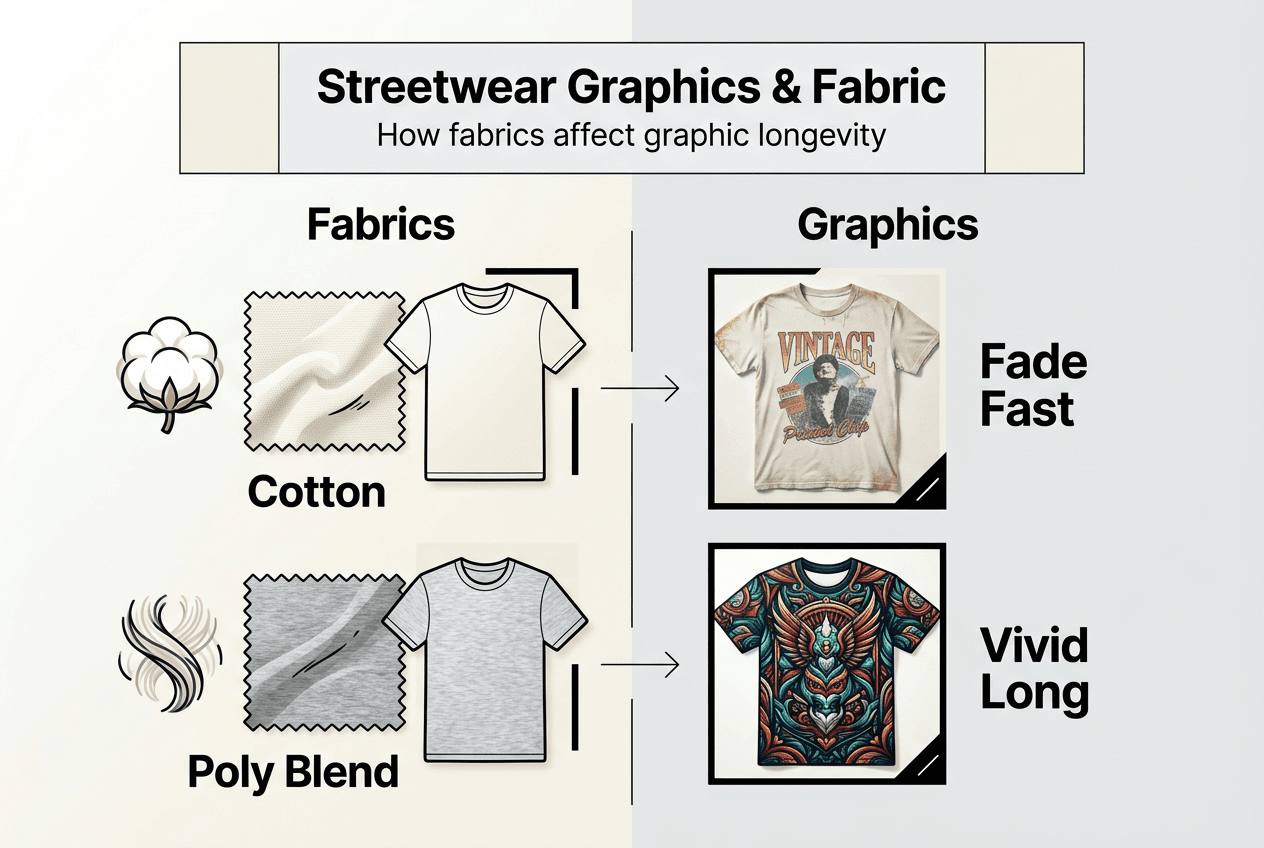
Fabric choice also affects texture, drape, and how graphics interact with body movement. Cotton provides softness and breathability but can crack or fade with screen-printed graphics. Polyester blends offer durability and moisture management but may feel less natural against skin. Tri-blends combine cotton comfort with polyester durability, creating middle-ground options that balance multiple performance factors.
Key fabric considerations for graphic streetwear include:
- Print method compatibility affecting graphic detail and color accuracy
- Wash durability determining how long graphics maintain visual impact
- Texture interaction with graphics creating tactile and visual interest
- Performance characteristics like moisture wicking or temperature regulation
Brand identity through graphics combines visual style with cultural authenticity to create consumer connection. Strong streetwear brands develop recognizable graphic languages that communicate values beyond product features. Urban Monkey exemplifies this approach, using high-contrast graffiti-inspired graphics and bold color combinations that immediately signal brand identity while connecting to broader street culture aesthetics.
The relationship between role of art in streetwear and consumer identity becomes tangible through fabric and graphic integration. When superior fabric quality enhances graphic presentation, the entire garment elevates from simple clothing to wearable art that expresses personal values. This connection between technical execution and cultural meaning defines premium streetwear experiences.
| Fabric Type | Graphic Retention | Comfort Level | Best Use Case |
|---|---|---|---|
| 100% Cotton | 60% after 50 washes | High breathability | Casual, short-term graphics |
| Polyester Blend | 85% after 50 washes | Moisture wicking | Performance, vibrant graphics |
| Tri-Blend | 75% after 50 washes | Balanced comfort | Versatile, everyday wear |
Understanding these technical factors helps you make informed decisions about which graphic pieces deserve investment and how to care for them properly. The intersection of fabric science and visual design creates the complete streetwear experience where form and function support each other. Fashion identity explained through this lens reveals how material choices communicate values as clearly as graphic content.
Check out streetwear-inspired apparel at ELEDOasis
Now that you understand how fabric quality and graphic design work together to create compelling streetwear, explore pieces that embody these principles. ELEDOasis offers performance-focused apparel that blends streetwear aesthetics with functional design, giving you options that look great and perform under active conditions.
Our moisture-wicking workout tees use advanced fabric blends that maintain graphic vibrancy while managing sweat and temperature during workouts or daily wear. The athletic fit complements streetwear styling without sacrificing comfort or movement freedom. Pair these performance tees with our women’s athletic shoes or men’s athletic shoes designed for both comfort and speed, creating complete looks that honor streetwear culture while supporting your active lifestyle. Each piece reflects the balance between bold visual expression and practical functionality that defines modern streetwear evolution.
Frequently asked questions
What makes graphics so essential to streetwear?
Graphics serve as the primary visual language through which streetwear communicates cultural values, personal identity, and community belonging. They transform basic garments into statements that express attitudes, reference cultural movements, and create connections between individuals who share similar worldviews and experiences.
How do minimalist and graphic-heavy designs affect purchasing decisions?
Minimalist designs encourage repeat purchases and long-term brand loyalty through timeless versatility, while graphic-heavy pieces drive impulse buying and social media engagement through bold visual impact. Your choice depends on whether you prioritize wardrobe staples or statement pieces that capture specific cultural moments.
Why does fabric choice matter for graphic streetwear?
Fabric determines how graphics appear initially and how they endure through wear and washing. Polyester blends retain color vibrancy 25% longer than cotton, maintaining graphic impact through 50+ washes while offering moisture management benefits that enhance comfort during active wear.
How do streetwear graphics connect to broader cultural movements?
StreetWear graphics draw directly from street art, graffiti, and urban visual culture, incorporating techniques like bold typography, layered compositions, and high-contrast color schemes. These design choices reference specific artistic movements and cultural attitudes, creating visual connections to music, skateboarding, basketball, and youth subcultures.
What role does authenticity play in streetwear graphic design?
Authenticity determines whether graphics resonate as genuine cultural expressions or feel like corporate attempts to capitalize on trends. Collaborations between established artists and brands, references to real cultural moments, and designs that prioritize self-expression over commercial polish all contribute to perceived authenticity that builds consumer trust and community connection.