Creativity's role in streetwear culture 2026
Streetwear gets dismissed as hype clothing for trend followers, but this view misses the movement’s creative foundation. Creativity is the core driver of streetwear, enabling self-expression, cultural storytelling, and identity formation that transcends simple fashion trends. This article explores how creativity shapes streetwear culture in 2026, from design processes to personal styling, revealing the artistic depth behind every graphic tee and customized hoodie. You’ll discover techniques designers use, how individuals craft identity through creative choices, and ways to navigate authenticity in an increasingly commercial landscape.
Table of Contents
- How Creativity Defines Streetwear Culture
- Creative Design Processes And Techniques In Streetwear
- Creativity’s Impact On Individuality And Identity In Streetwear
- Navigating Authenticity And Commercialization In Streetwear Creativity
- Explore Creative Streetwear Styles With Eledoasis
Key takeaways
| Point | Details |
|---|---|
| Creativity drives expression | Streetwear uses creativity for self-expression and cultural storytelling, connecting wearers to urban communities and personal identity. |
| Design techniques matter | Methods include urban culture research, fabric manipulation, bold graphics, collaborations, and frequent product drops to maintain cultural relevance. |
| Individuality is central | Customization through layering, DIY techniques, and styling choices allows wearers to express unique identities and reject mainstream aesthetics. |
| Authenticity faces pressure | Commercialization challenges streetwear’s creative roots, but some brands emphasize timeless quality and cultural authenticity over trends. |
| DIY empowers creativity | Enthusiasts personalize streetwear through bleaching, patchwork, distressing, and graphic layering to develop distinctive personal styles. |
How creativity defines streetwear culture
StreetWear emerged as a vehicle for urban youth to tell their stories when mainstream fashion ignored their voices. It connects wearers with cultural roots, community identity, and personal narratives that traditional clothing brands never addressed. Streetwear shapes art, music, and urban culture through creative expression that extends far beyond fabric and thread.
The movement’s creative foundation manifests in multiple ways. Graphic layering transforms simple garments into visual statements that reference hip-hop lyrics, graffiti art, or social commentary. Customization techniques allow wearers to modify pieces, creating one-of-a-kind items that reject mass production’s uniformity. Cultural symbols embedded in designs connect contemporary wearers to historical movements, from skateboarding’s rebellious spirit to punk’s anti-establishment ethos.
Creativity in streetwear operates on several interconnected levels:
- Visual storytelling through graphics, colors, and silhouettes that communicate cultural affiliations
- Material innovation using unexpected fabrics, distressing techniques, and unconventional construction methods
- Cultural synthesis blending influences from diverse urban subcultures into cohesive aesthetic statements
- Personal expression enabling individuals to craft identity narratives through styling and customization choices
This creative approach separates streetwear from conventional fashion cycles. Where traditional brands dictate seasonal trends, streetwear culture empowers individuals to create their own aesthetic rules. The result is a dynamic, constantly evolving visual language that reflects real urban experiences rather than designer fantasies.
“Streetwear is not just clothing. It’s a creative movement that gives voice to communities historically excluded from fashion conversations, transforming everyday garments into powerful tools for self-expression and cultural preservation.”
Understanding why streetwear matters culture identity 2026 requires recognizing that every design choice carries meaning. A distressed hoodie might reference economic struggle, while bold graphics could celebrate cultural heritage. This depth distinguishes authentic streetwear from corporate imitations that copy aesthetics without understanding their cultural significance.
Creative design processes and techniques in streetwear
StreetWear designers don’t start with trend forecasts or runway shows. Key methodologies include urban culture research, mood boards, fabric distressing, bold screen printing, collaborations, and regular drops that keep designs culturally relevant. The process begins in the streets, observing how real people move, dress, and express themselves in urban environments.
Designers immerse themselves in specific subcultures to understand authentic visual languages. A skatewear designer might spend weeks at skate parks studying how riders customize their gear, what graphics resonate with the community, and how functionality intersects with style. Hip-hop inspired designers analyze album artwork, music video aesthetics, and street photography to capture the culture’s visual essence. This research phase builds the foundation for designs that feel genuine rather than manufactured.
Mood boards and sketching sessions translate cultural observations into concrete visual concepts. Designers collect references from graffiti walls, vintage band posters, sports jerseys, and workwear catalogs. They experiment with color combinations that reflect urban landscapes: concrete grays, graffiti brights, rust oranges from aging infrastructure. Sketches explore how oversized silhouettes create specific attitudes, how pocket placements affect functionality, and how graphic elements interact with garment construction.
Fabric manipulation techniques create the worn, lived-in aesthetic central to streetwear identity:
- Bleaching creates organic patterns and faded effects that suggest age and authenticity
- Distressing through sanding, tearing, or fraying adds texture and visual interest
- Layering combines different fabric weights and textures for dimensional looks
- Overdyeing transforms base colors into unique, unpredictable shades
- Patchwork incorporates contrasting materials to tell visual stories
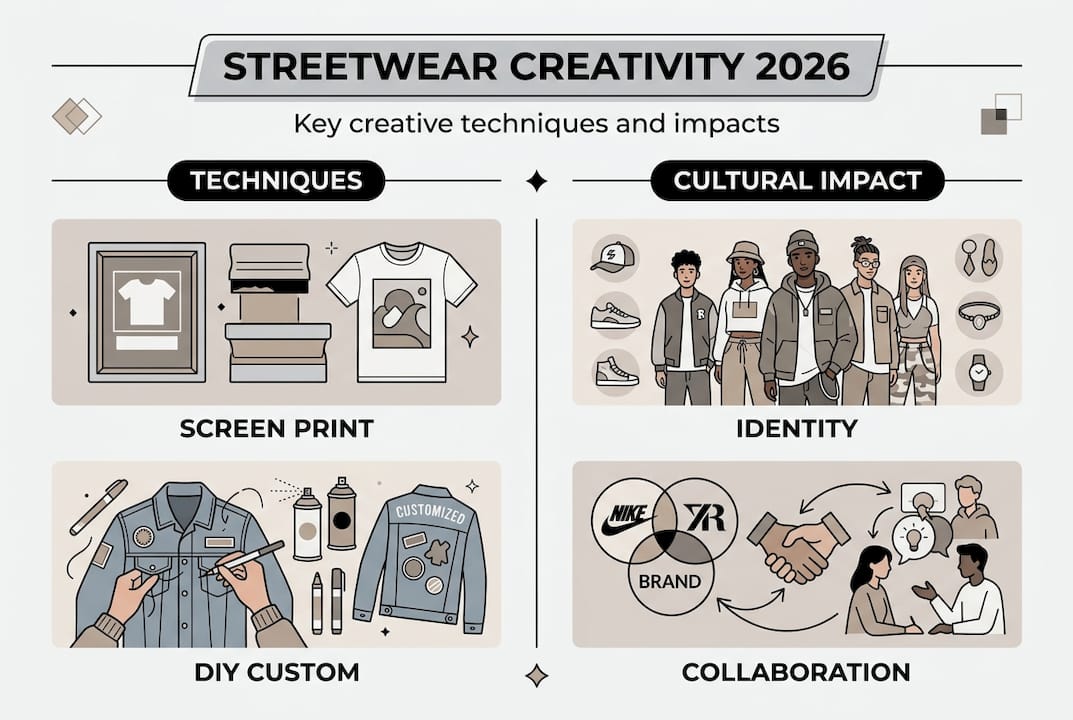
Techniques like screen printing and embroidery create bold designs and uniqueness that mass production can’t replicate. Screen printing allows for vibrant, high-impact graphics that reference pop culture, social issues, or abstract art. Embroidery adds tactile dimension and perceived value, transforming simple logos into textured focal points. DIY patchwork techniques enable designers to incorporate vintage materials, creating pieces with built-in history and character.
Collaborations amplify creative output by merging different perspectives and skill sets. A streetwear brand might partner with a graffiti artist to develop authentic urban graphics, or collaborate with a musician to capture specific cultural moments. These partnerships create limited edition pieces that feel special and culturally significant, driving demand while maintaining creative integrity.
Product drops follow a strategic rhythm that keeps brands culturally relevant. Rather than seasonal collections, streetwear brands release new items weekly or monthly, responding quickly to cultural shifts and maintaining constant engagement with their communities. This approach mirrors how urban culture itself evolves: fast, responsive, and driven by grassroots creativity rather than top-down directives.
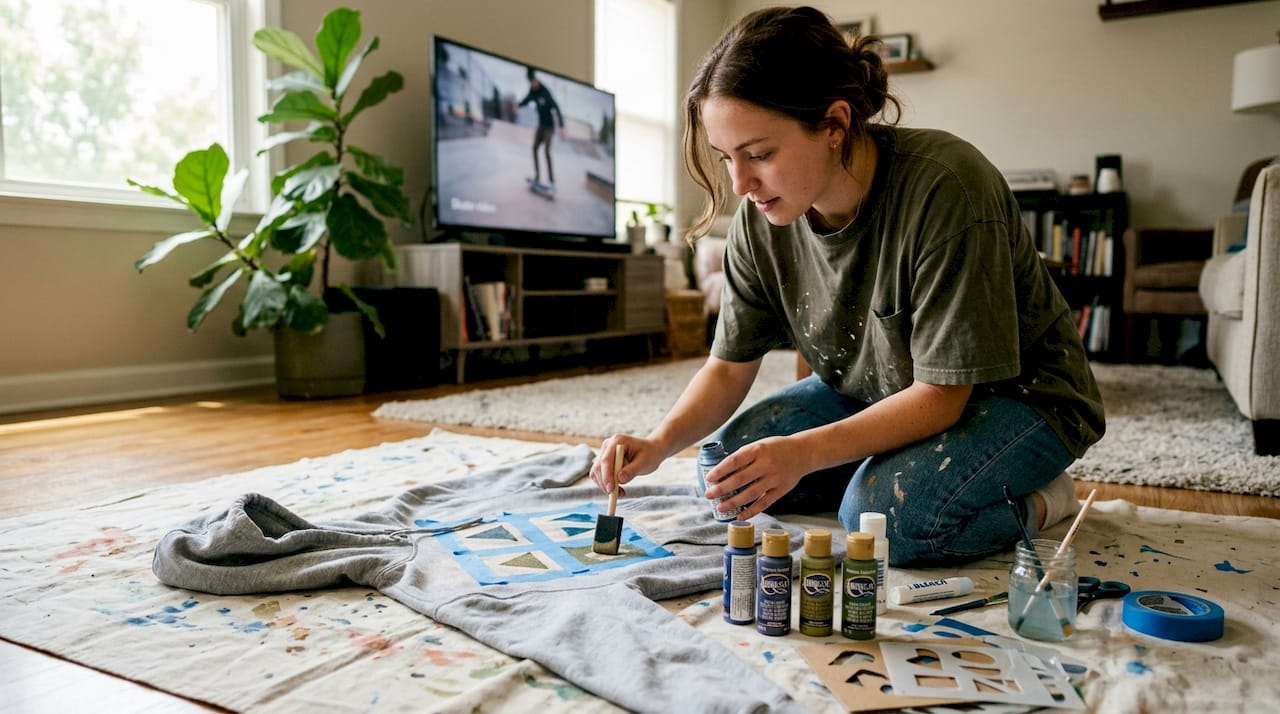
Pro Tip: Experiment with DIY techniques like bleach splattering or fabric paint on thrift store finds to develop your original aesthetic before investing in expensive pieces. This hands-on experimentation builds understanding of how techniques work and helps you discover your unique creative voice.
| Design Technique | Primary Purpose | Typical Application |
|---|---|---|
| Screen Printing | Bold graphic statements | Chest prints, back graphics, sleeve details |
| Fabric Distressing | Authentic worn aesthetic | Hems, knees, elbows on denim and cotton |
| Embroidery | Textured branding | Logos, small graphics, custom patches |
| Bleaching | Organic patterns | All-over effects, targeted highlights |
| Patchwork | Visual storytelling | Jackets, jeans, bags with mixed materials |
Exploring role graphics streetwear culture 2026 reveals how these technical choices communicate cultural messages. Understanding why creative fashion matters for urban youth contextualizes these design decisions within broader social movements.
Creativity’s impact on individuality and identity in streetwear
Individuality drives streetwear’s creative appeal and separates authentic participants from trend followers. Creativity manifests in layering graphics, customizations, and collaborations to express individuality in urban settings where standing out matters as much as fitting in. Your clothing choices become a visual autobiography, telling observers about your cultural affiliations, creative sensibilities, and personal values.
Customization transforms mass-produced items into personal statements. A basic hoodie becomes unique through strategic bleaching that creates organic patterns reflecting your aesthetic preferences. Adding patches from concerts, political movements, or personal artwork layers meaning onto the garment. Cutting, cropping, or reconstructing pieces changes their silhouette and function, demonstrating creative problem solving and rejection of prescribed uses.
Graphic layering creates complex visual narratives that reveal personality depth. You might wear a vintage band tee under an oversized work jacket, topped with a statement chain that references cultural heritage. Each layer communicates different aspects of your identity: musical taste, appreciation for utilitarian design, connection to family history. The combinations are infinite, allowing daily reinvention while maintaining core aesthetic principles.
Collaborative creativity extends beyond brand partnerships to personal networks. Friends swap pieces, creating shared wardrobes that blur ownership lines and strengthen community bonds. Group customization sessions turn clothing modification into social events where techniques and ideas flow freely. This collaborative approach mirrors streetwear’s cultural roots in communities that shared resources and supported collective creativity.
Anti-aesthetic designs appeal to Gen Z as forms of rebellion and self-expression that reject conventional beauty standards. Chunky sneakers, deliberately clashing patterns, and intentionally awkward silhouettes challenge fashion orthodoxy. These choices demonstrate creative confidence and willingness to prioritize personal expression over mainstream approval. The “ugly” becomes beautiful when it authentically represents individual perspective.
Daily styling choices solidify personal identity through repeated creative decisions. You develop signature combinations that become recognizable: always cuffing pants a specific way, consistently pairing athletic pieces with tailored items, or favoring particular color palettes. These patterns emerge organically from experimentation, creating a personal aesthetic language that communicates who you are without words.
Creative expression through streetwear offers several identity-building benefits:
- Immediate visual communication of cultural affiliations and personal values
- Low-barrier entry to creative practice requiring no formal training
- Flexible medium allowing constant evolution as identity develops
- Community connection through shared aesthetic languages and styling approaches
- Confidence building through positive feedback and creative risk-taking
Pro Tip: Start by researching subcultures that genuinely interest you, then experiment with DIY methods like distressing or graphic layering to develop a unique style that reflects your authentic interests rather than copying influencer aesthetics.
Understanding individuality in streetwear culture helps you recognize how personal choices contribute to broader cultural movements. Exploring types of streetwear styles for creatives provides frameworks for developing your distinctive approach within established aesthetic traditions.
Navigating authenticity and commercialization in streetwear creativity
Commercial success threatens streetwear’s creative authenticity as corporations recognize the culture’s market potential. Commercialization dilutes streetwear’s authenticity as high fashion subsumes the culture, prompting some brands to reject the streetwear label entirely. What began as grassroots creative expression now faces pressure to scale, standardize, and maximize profit margins that contradict the movement’s foundational values.
Traditional streetwear creativity emerged from necessity and cultural pride. Limited resources forced creative problem solving: customizing thrift store finds, hand-printing graphics in basements, reconstructing garments to achieve desired silhouettes. This DIY ethos created authentic connections between makers and wearers, with designs reflecting real community experiences rather than market research.
Commercialized luxury streetwear operates differently. Brands appropriate streetwear aesthetics while removing cultural context and creative authenticity. A $800 distressed hoodie from a luxury house mimics the look of genuine wear but lacks the stories and experiences that create authentic distressing. Graphics reference street culture superficially without understanding or respecting the communities they exploit. Production scales eliminate the handmade qualities that made original pieces special.
Some brands resist commercialization’s homogenizing effects by emphasizing timeless quality and cultural authenticity. NOAH, for example, focuses on sustainable production and refuses to participate in hype cycles that prioritize artificial scarcity over genuine value. These brands accept slower growth to maintain creative integrity and community trust, demonstrating that commercial success doesn’t require sacrificing foundational principles.
Artificial intelligence introduces new tensions in streetwear creativity. AI risks cultural dilution but also democratizes access to creative streetwear design tools previously requiring specialized skills. AI can generate graphics, suggest color combinations, and predict trend directions. However, algorithms trained on existing designs risk creating derivative work that lacks cultural grounding and genuine creative vision.
The technology’s democratizing potential shouldn’t be dismissed. Independent designers without formal training can use AI tools to realize creative visions that technical limitations previously blocked. Small brands can compete with larger operations by automating certain production aspects while focusing human creativity on culturally meaningful decisions. The key is using AI as a tool rather than replacement for authentic creative expression.
“The tension between maintaining cultural authenticity and achieving commercial scale defines contemporary streetwear. Brands must choose whether to preserve creative integrity or pursue maximum growth, rarely succeeding at both simultaneously.”
| Aspect | Authentic Creativity | Commercial Influence |
|---|---|---|
| Design Origin | Community experiences and cultural research | Market trends and profit optimization |
| Production Scale | Limited runs, handmade elements | Mass production, standardized processes |
| Pricing Strategy | Value-based, accessible to community | Premium pricing, artificial scarcity |
| Cultural Connection | Deep roots in specific subcultures | Surface-level aesthetic appropriation |
| Creative Evolution | Organic, community-driven changes | Algorithm-predicted, market-tested updates |
Navigating this landscape requires critical evaluation of brands and personal purchasing decisions. Research company histories, production practices, and community relationships before supporting labels. Prioritize brands demonstrating genuine cultural engagement over those exploiting aesthetics for profit. Support independent designers and local creators maintaining authentic connections to streetwear’s creative roots.
Examining how trends shape youth style streetwear 2026 reveals the complex interplay between grassroots creativity and commercial forces shaping contemporary streetwear culture.
Explore creative streetwear styles with ELEDOasis
Your creative streetwear journey deserves apparel that supports both performance and self-expression. ELEDOasis designs pieces for individuals who refuse to choose between functionality and style, offering garments that work as hard as they look good.

The performance and workout tee moisture wicking athletic fit combines technical fabric innovation with clean streetwear aesthetics, letting you move from gym sessions to street styling without compromising either function. Pair it with greed premium urban sweatpants that blend comfort with the bold graphics and quality construction streetwear culture demands. Every piece at ELEDOasis supports your creative vision, providing the foundation for personal styling experiments that express your unique identity within urban culture.
Frequently asked questions
What is the role of creativity in streetwear?
Creativity serves as streetwear’s foundation, enabling self-expression and cultural storytelling that distinguishes the movement from conventional fashion. It empowers individuals to communicate identity, cultural affiliations, and personal values through design choices, customization, and styling decisions. Creativity transforms basic garments into meaningful statements that connect wearers to communities and cultural movements.
How do designers incorporate urban culture into streetwear creativity?
Designers immerse themselves in specific urban subcultures like skateboarding, hip-hop, and graffiti to understand authentic visual languages and community values. They translate observations into designs using fabric manipulation techniques like distressing and bleaching, combined with bold graphics created through screen printing and embroidery. This research-driven approach ensures designs reflect genuine cultural experiences rather than superficial appropriation.
Can streetwear creativity be maintained amid commercialization?
Yes, though it requires intentional resistance to profit-maximizing pressures that dilute cultural authenticity. Brands like NOAH demonstrate that emphasizing timeless quality, sustainable production, and genuine community engagement can sustain creativity while achieving commercial viability. However, many brands sacrifice creative integrity for growth, making consumer support of authentic labels crucial for preserving streetwear’s creative foundations.
What are some ways individuals can express creativity in streetwear at home?
Experiment with accessible DIY techniques like bleach splattering for organic patterns, fabric distressing through sanding or strategic tearing, and patchwork using vintage materials or personal artwork. Layer graphics by combining pieces in unexpected ways, mix streetwear with other style traditions, and customize thrift finds to develop signature aesthetics. These hands-on approaches build creative confidence while developing unique personal style that reflects authentic interests and values.
How does creativity in streetwear differ from mainstream fashion?
StreetWear creativity emerges from grassroots communities and individual expression rather than designer directives or seasonal trend cycles. It prioritizes cultural authenticity, personal storytelling, and DIY customization over polished perfection and mass appeal. While mainstream fashion dictates what consumers should wear, streetwear empowers individuals to create their own aesthetic rules through creative experimentation and community-driven evolution.
Why do anti-aesthetic designs appeal to streetwear enthusiasts?
Anti-aesthetic choices like chunky sneakers and deliberately clashing patterns represent creative rebellion against conventional beauty standards and fashion orthodoxy. They demonstrate confidence in personal taste over mainstream approval, signaling authenticity and willingness to prioritize self-expression over fitting in. These designs challenge observers to reconsider beauty definitions while allowing wearers to craft distinctive identities that resist commercial homogenization.