Why streetwear matters: culture and identity in 2026
Streetwear is often dismissed as just another fashion trend or casual clothing choice, but this perspective misses its profound cultural significance. Born from rebellion and community in the streets of California, New York, and Tokyo, streetwear has evolved into a global movement that shapes how millions of young people express their identity and values. It’s not simply about hoodies and sneakers. It’s a complex cultural language that challenges traditional fashion hierarchies, builds communities, and gives voice to individual stories. This article explores streetwear’s authentic origins, its role in personal and cultural identity, the booming $218 billion market driving it forward, and the sustainability challenges reshaping its future in 2026.
Table of Contents
- The Origins And Evolution Of Streetwear Culture
- Why Streetwear Matters Culturally And Personally
- The Booming Streetwear Market And Industry Mechanics In 2026
- Challenges And The Future: Authenticity, Sustainability, And Evolving Streetwear Identity
- Discover Your Streetwear Essentials With Eledoasis
Key takeaways
| Point | Details |
|---|---|
| Subcultural roots | Streetwear emerged from 1970s-80s skateboarding, hip-hop, and surf communities as DIY functional clothing that became a global cultural force. |
| Identity platform | It enables youth to express individuality through bold graphics, limited drops, and storytelling that resists traditional fashion norms. |
| Market explosion | The global streetwear market reached $218.3 billion in 2026, driven by Gen Z consumers and Asia-Pacific dominance at 38% market share. |
| Authenticity tension | Oversaturation and luxury collaborations create ongoing debates about what constitutes genuine streetwear versus commercial exploitation. |
| Sustainability shift | Post-2023 trends show movement from hype-driven drops toward quality materials, ethical production, and timeless craftsmanship. |
The origins and evolution of streetwear culture
StreetWear didn’t start in boardrooms or on runways. It began on the streets, born from necessity and rebellion. Streetwear originated from subcultures like skateboarding, hip-hop, and surf in the 1970s-1980s in urban centers such as California, New York, and later Tokyo, evolving from DIY functional clothing to a global fashion force. These communities needed durable, comfortable clothes that could withstand physical activity while expressing their distinct identities.
Skaters in California spray-painted their own graphics on blank tees. Hip-hop artists in New York transformed sportswear into status symbols. Surfers in both coasts and Tokyo blended beach culture with urban edge. Each subculture contributed unique elements that would later define streetwear’s visual language: oversized silhouettes, bold graphics, limited availability, and an anti-establishment attitude. Brands like Stüssy, Supreme, and A Bathing Ape emerged directly from these communities, creating clothing that insiders recognized instantly.
The DIY ethos was critical. Early streetwear wasn’t about following trends dictated by fashion houses. It was about creating your own aesthetic, often with limited resources. This grassroots approach built authenticity into streetwear’s DNA. When Shawn Stussy started selling surfboards and screen-printed tees in the early 1980s, he wasn’t trying to build a fashion empire. He was serving his community. That genuine connection between creator and consumer became streetwear’s foundation.
Key influences that shaped early streetwear culture:
- Skateboarding’s functional durability and rebellious graphics from California’s Venice Beach and Dogtown scenes
- Hip-hop’s transformation of sportswear brands like Adidas and Nike into cultural symbols of success and identity
- Punk rock’s DIY aesthetic and anti-establishment messaging that encouraged customization and individual expression
- Japanese street fashion’s meticulous attention to detail and willingness to remix Western styles with Eastern sensibilities
- Graffiti art’s bold visual language that translated perfectly onto clothing as wearable canvases
“Streetwear represents more than clothing. It’s a cultural movement that gives voice to communities traditionally excluded from high fashion’s conversation.”
By the 1990s, streetwear had established itself as a legitimate cultural force. It wasn’t trying to be fashion anymore. It was fashion, on its own terms. The streetwear movements that emerged during this period created a new paradigm where authenticity, community connection, and limited availability mattered more than traditional markers of luxury.
Why streetwear matters culturally and personally
StreetWear functions as a modern identity platform, particularly for Gen Z and millennials navigating complex social landscapes. Streetwear enables individuality and self-expression through storytelling, bold graphics, oversized silhouettes, and limited drops, serving as a platform for personal identity and resistance against fashion hierarchies. This isn’t abstract theory. Over 60% of young consumers report that streetwear significantly influences their daily style decisions, making it one of the most powerful forces in contemporary fashion.
The design elements themselves carry meaning. Oversized silhouettes reject the body-conscious standards of traditional fashion, offering comfort and inclusivity. Bold graphics transform wearers into walking billboards for causes, communities, or aesthetics they support. Limited drops create scarcity that builds both desirability and insider status within communities. Each element works together to help individuals craft a visual narrative about who they are and what they value.
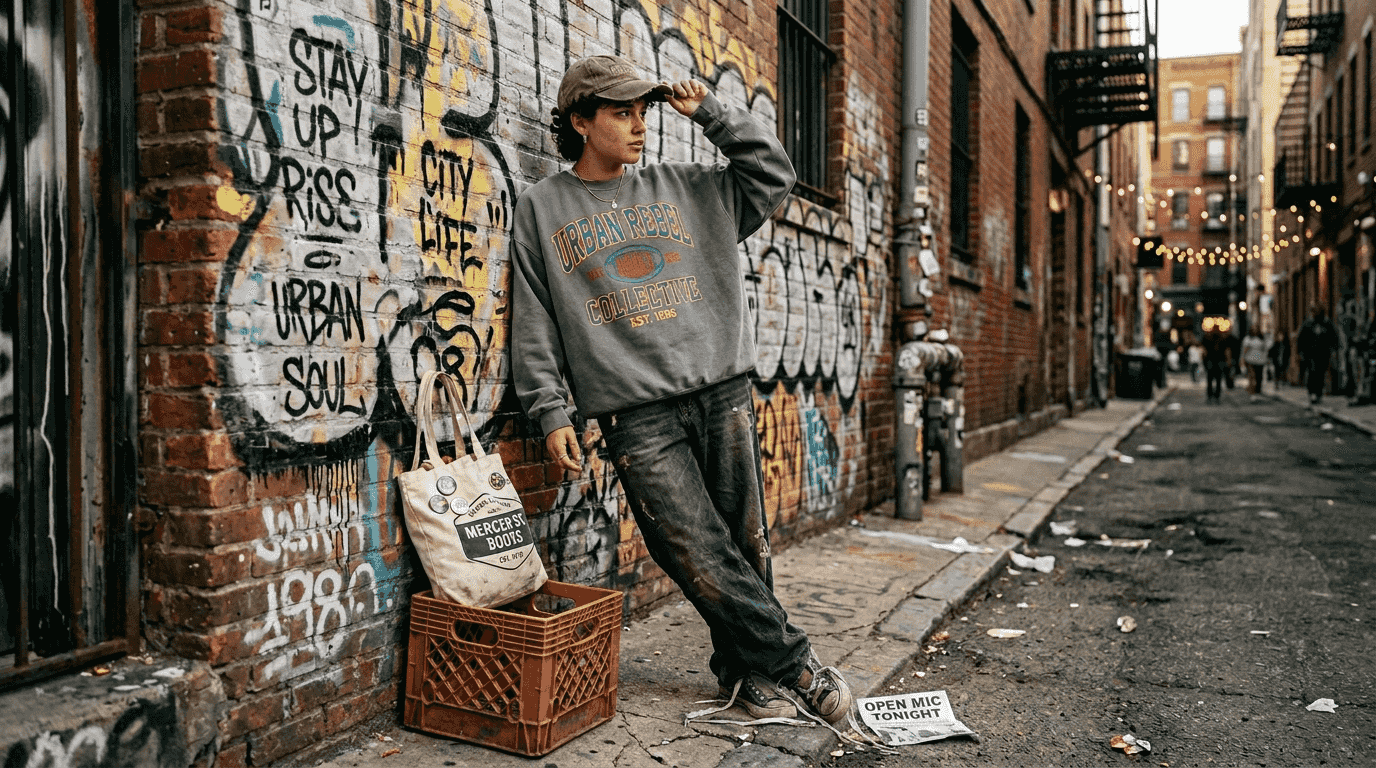
StreetWear also represents resistance. Traditional fashion operated on a top-down model where designers dictated trends and consumers followed. Streetwear flipped this dynamic. It emerged from the streets up, with communities defining what was cool rather than waiting for fashion houses to tell them. This democratization of style gave voice to groups historically excluded from fashion’s conversation: skaters, hip-hop artists, graffiti writers, and urban youth.
The psychological dynamics run deep. Wearing streetwear isn’t just about looking good. It’s about belonging to something larger while simultaneously expressing individuality. This paradox defines streetwear’s appeal. You can signal membership in a community through recognizable brands and styles while using those same elements to differentiate yourself through unique combinations, customization, or rare pieces. The self-expression fashion benefits extend beyond aesthetics into identity formation and social connection.
Key ways streetwear facilitates personal and cultural expression:
- Visual storytelling through graphics that reference art, music, politics, and subcultures meaningful to the wearer
- Community building via shared brand loyalty and recognition that creates instant connection between strangers
- Status signaling through knowledge of drops, collaborations, and rare pieces that demonstrate cultural literacy
- Rebellion against mainstream fashion norms by embracing comfort, functionality, and anti-luxury aesthetics
- Cultural preservation by keeping subcultural histories and values alive through design references and brand narratives
Pro Tip: To authentically use streetwear for self-expression, start with pieces that genuinely resonate with your interests and values rather than chasing hype. Research the brands’ origins and meanings, mix streetwear with other styles that reflect your personality, and focus on building a cohesive personal aesthetic rather than collecting logos. Authenticity in streetwear comes from understanding the culture, not just wearing the uniform.
The streetwear culture definition continues evolving, but its core function remains constant: giving people tools to tell their stories visually in a world where personal branding and authentic self-expression matter more than ever.
The booming streetwear market and industry mechanics in 2026
The numbers tell a compelling story. Global streetwear market valued at approximately $218.3 billion in 2026, projected to grow to $264.76 billion by 2031 at 3.94% CAGR, driven by Gen Z/Millennials, Asia-Pacific dominance, and resale/digital trends. This isn’t niche anymore. Streetwear has become a dominant force in global fashion, rivaling and often surpassing traditional luxury segments.
| Market Metric | 2026 Value | Growth Driver |
|---|---|---|
| Global market size | $218.3B | Gen Z/Millennial purchasing power |
| Projected 2031 value | $264.76B | Digital commerce and social media |
| Asia-Pacific share | 38% | Rising middle class and youth culture |
| Resale market value | $6B+ | Scarcity model and collector culture |
| Average annual growth | 3.94% | Mainstream acceptance and collaborations |
Asia-Pacific’s 38% market share reflects streetwear’s truly global reach. What started in California and New York now thrives in Seoul, Tokyo, Shanghai, and Singapore. These markets don’t just consume Western streetwear. They create their own distinct styles that influence global trends. The urban demographic fashion trends show how different regions adapt streetwear’s core principles to local contexts.
The business mechanics driving this growth are sophisticated. Streetwear brands have pioneered strategies that traditional fashion is now copying:
- Scarcity through limited drops that create urgency and maintain brand desirability by releasing small quantities at specific times
- Collaboration model partnering with artists, other brands, and cultural figures to cross-pollinate audiences and create collectible pieces
- Direct-to-consumer sales bypassing traditional retail to maintain control over brand experience and capture higher margins
- Social media marketing leveraging Instagram, TikTok, and influencers to build hype and community without traditional advertising budgets
- Resale market integration acknowledging and sometimes participating in secondary markets that validate brand value and create investment appeal
The resale market deserves special attention. At over $6 billion globally, it represents roughly 25% of total streetwear sales. Platforms like StockX, GOAT, and Grailed have transformed streetwear into an asset class where limited sneakers and hoodies can appreciate like art or collectibles. This financialization changes consumer behavior. People buy not just to wear but to invest, hold, and potentially profit.
However, this success brings challenges. Market saturation threatens the scarcity model that made streetwear desirable. When every brand does limited drops and collaborations, nothing feels special anymore. The hype cycle that drove growth from 2015 to 2023 shows signs of fatigue. Consumers increasingly question whether they’re buying genuine cultural artifacts or manufactured scarcity designed to extract maximum profit.
Luxury fashion’s embrace of streetwear further complicates the landscape. Louis Vuitton’s collaboration with Supreme in 2017 marked a turning point. Suddenly, streetwear had high fashion’s validation. This brought capital, visibility, and mainstream acceptance. It also raised questions about co-option and authenticity. When a $2,000 hoodie carries a streetwear brand’s logo, does it still represent the culture’s anti-establishment roots?
Challenges and the future: authenticity, sustainability, and evolving streetwear identity
StreetWear faces an identity crisis in 2026. Hype/drop model declining post-2023 toward quality/sustainability focus; oversaturation, luxury co-opting dilutes authenticity; some brands reject ‘streetwear’ label for timeless craft. This shift reflects deeper tensions about what streetwear means when it’s no longer underground, no longer rebellious, and no longer exclusive to the communities that created it.
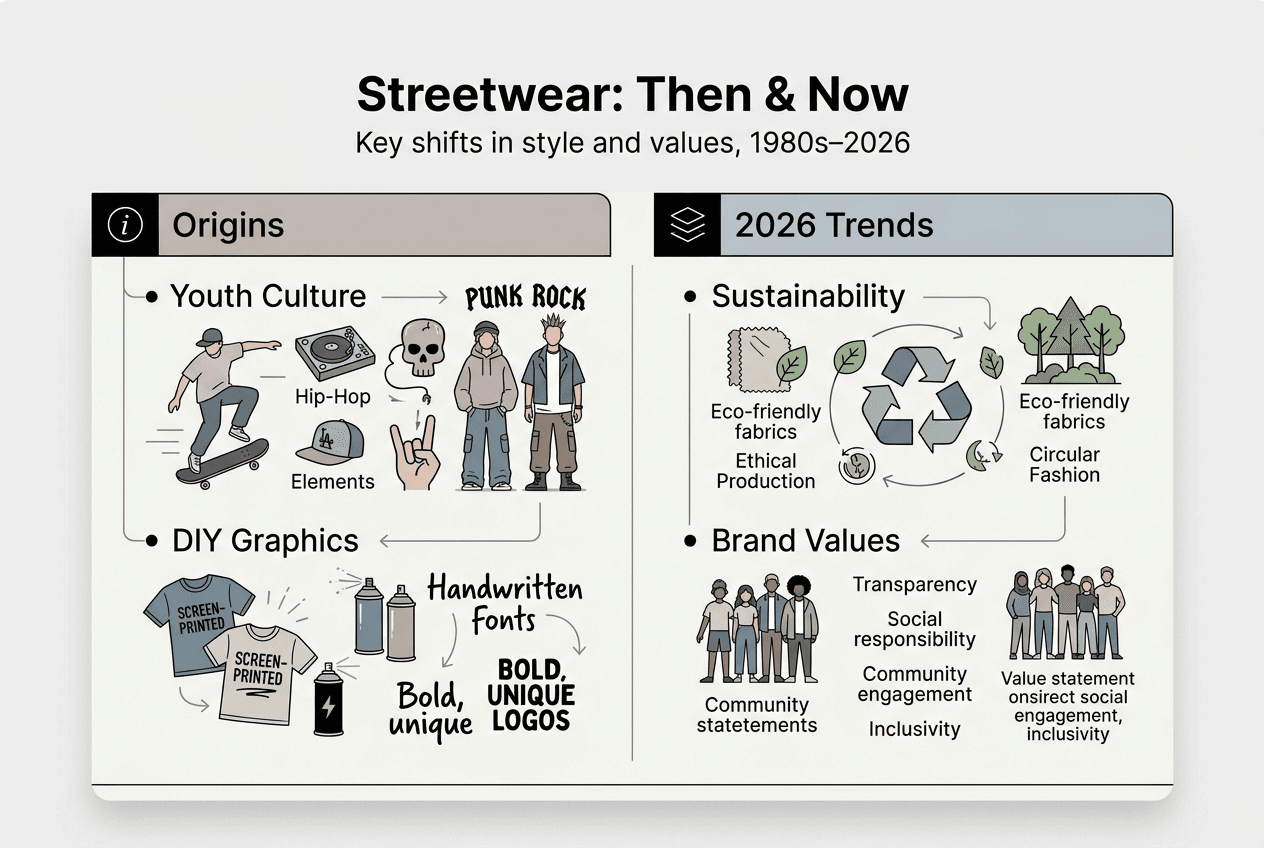
The critiques are substantial. Hype fatigue has set in as consumers tire of camping out for drops, paying resale markups, and chasing collaborations that feel more like marketing exercises than cultural moments. Oversaturation means walking down any urban street reveals dozens of people wearing similar Supreme, Off-White, or Yeezy pieces. The uniform that once signaled insider status now feels ubiquitous. Luxury collaborations, while commercially successful, often strip away the accessibility and anti-establishment ethos that made streetwear meaningful.
| Old Model (Pre-2023) | New Model (2026 Forward) |
|---|---|
| Hype-driven limited drops creating artificial scarcity | Quality-focused releases emphasizing craftsmanship and durability |
| Fast fashion production with questionable labor practices | Sustainable materials and transparent ethical production |
| Logo-heavy designs signaling brand loyalty | Subtle branding emphasizing design and fit over logos |
| Collaboration overload diluting brand identity | Selective partnerships with genuine cultural connection |
| Resale speculation as primary value driver | Intrinsic value based on design, quality, and wearability |
Some brands actively reject the streetwear label now. They argue it’s become meaningless, applied to everything from $20 fast fashion hoodies to $2,000 luxury collaborations. By positioning themselves as focused on timeless design, quality materials, and craftsmanship, they distance themselves from hype culture while maintaining the aesthetic and community connections that defined early streetwear. This rebranding reflects a maturation of the market and a response to consumer demand for substance over hype.
Sustainability represents both challenge and opportunity. Streetwear’s roots in fast drops and constant newness conflict with environmental consciousness. The sustainable streetwear movement pushes brands to use organic materials, reduce production waste, ensure fair labor practices, and create durable pieces meant to last years rather than seasons. This aligns with Gen Z values but requires rethinking business models built on scarcity and constant releases.
Geographic decentralization offers fresh perspectives. While New York, Los Angeles, and Tokyo remain influential, emerging scenes in Toronto, Melbourne, Seoul, and London bring new aesthetics and approaches. These markets aren’t just copying Western streetwear. They’re creating distinct regional styles that challenge the monolithic narrative of what streetwear should be. This diversity strengthens the culture by preventing any single vision from dominating.
Pro Tip: To navigate oversaturation and identify authentic streetwear, research brand origins and values before purchasing. Look for transparency about materials and production, avoid pieces bought solely for resale value, and prioritize brands that actively contribute to communities rather than just extracting profit. Watch for greenwashing where brands claim sustainability without substantive changes. Authentic streetwear in 2026 balances cultural connection, quality construction, and ethical production, not just hype and logos.
The psychological negotiation continues. Enthusiasts must balance their desire for individual expression with participation in recognizable trends. They want to belong to streetwear culture while standing out within it. They value authenticity but participate in a commercialized market. These tensions aren’t problems to solve but ongoing dynamics that define contemporary streetwear. The culture’s ability to hold these contradictions without collapsing into pure commercialism or retreating into exclusivity will determine its relevance for the next decade.
Discover your streetwear essentials with ELEDOasis
Understanding streetwear’s cultural significance is one thing. Living it through your wardrobe choices is another. ELEDOasis bridges this gap by offering contemporary pieces that honor streetwear’s core values while embracing the quality and sustainability shifts defining 2026. Rather than chasing hype, ELEDOasis focuses on versatile essentials that support authentic self-expression.
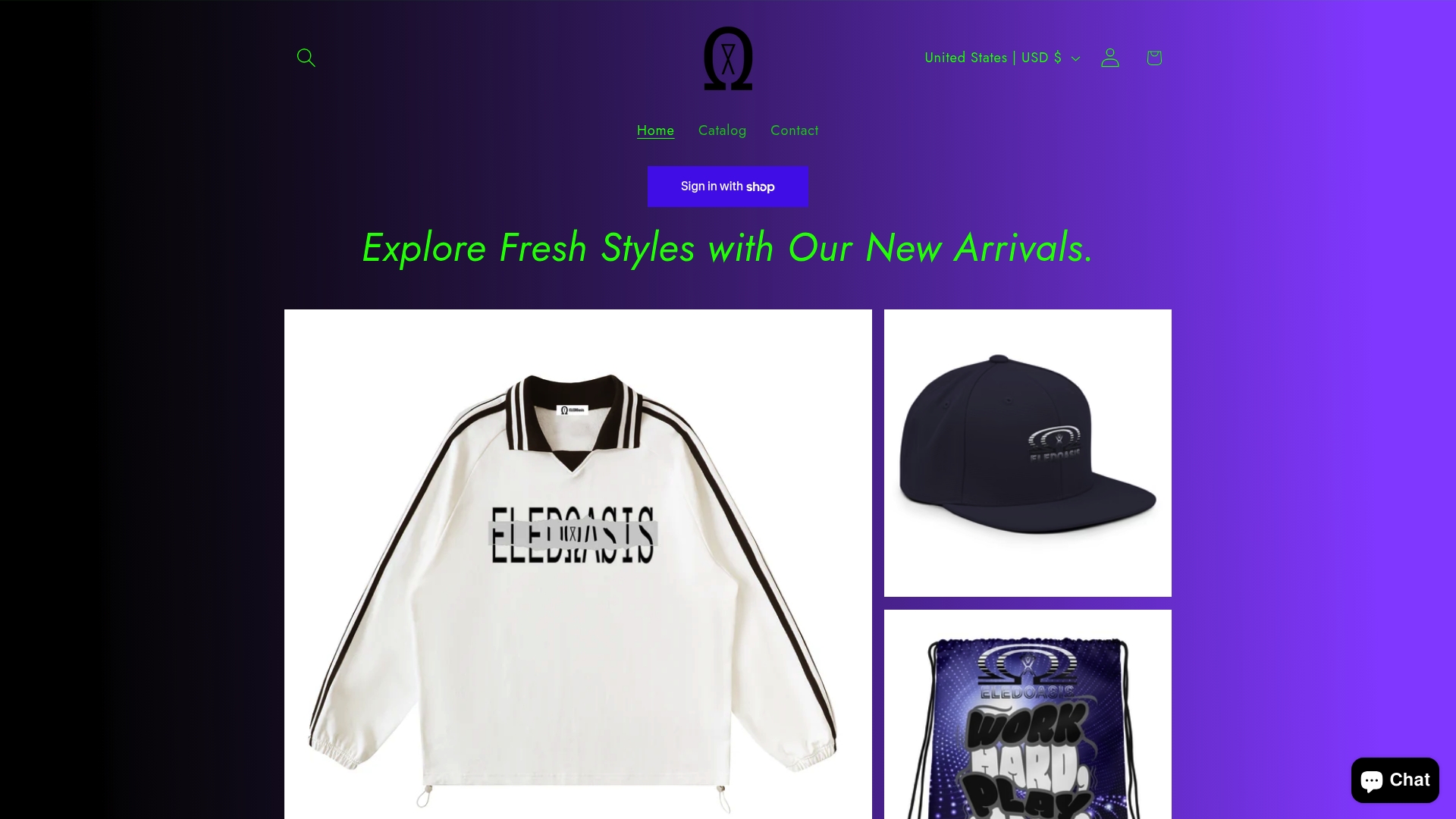
The performance and workout tee exemplifies this approach. With moisture-wicking fabric and an athletic fit, it merges streetwear’s comfort aesthetic with functional performance. It’s designed for real life, whether you’re hitting the gym, exploring the city, or building your daily rotation. The utility crossbody bag continues this philosophy, offering practical storage in a silhouette that complements streetwear’s utilitarian roots.
ELEDOasis curates collections that let you build a wardrobe reflecting your values and style without sacrificing quality or authenticity. Explore the full range to discover pieces that work with your existing rotation while adding fresh perspectives. Streetwear’s future belongs to those who understand its past and choose pieces that matter.
Frequently asked questions
Why is streetwear more than just fashion?
StreetWear originated in rebel subcultures like skateboarding and hip-hop, where clothing symbolized resistance to mainstream norms and built community identity. It empowers individual storytelling through distinct design elements like bold graphics and limited releases that let wearers craft visual narratives. The market’s explosive growth to $218 billion reflects its widespread appeal among youth seeking both identity expression and comfort. Sustainability trends show streetwear evolving beyond fast fashion hype toward quality and ethical production that aligns with contemporary values.
How do limited drops influence streetwear culture?
Limited drops create artificial scarcity that boosts desirability and generates community buzz around release dates. They transform clothing into collectibles with investment potential, supporting resale markets that comprise about 25% of streetwear sales. However, oversaturation of this model has led to hype fatigue as consumers question whether scarcity reflects genuine cultural value or manufactured marketing. The future points toward selective drops focused on quality rather than constant releases designed purely to maintain hype.
What role does sustainability play in streetwear’s future?
Sustainability shifts streetwear from hype-driven fast drops toward quality materials, transparent production, and timeless design meant to last years. It responds directly to Gen Z consumer values that prioritize environmental and social responsibility over constant newness. Brands embracing sustainable practices counter criticisms that streetwear promotes wasteful consumption and questionable labor practices. This evolution challenges business models built on scarcity and frequent releases but strengthens streetwear’s cultural legitimacy by aligning actions with the authentic, community-focused values that originally defined the movement.
Can streetwear be both individual and mainstream?
StreetWear’s hybridization, including luxury collaborations and widespread adoption, allows mainstream appeal while maintaining elements of exclusivity through limited releases and insider knowledge. Simultaneously, it upholds strong individual and community expression through diverse design languages, regional styles, and the ability to mix pieces in unique combinations. This duality creates ongoing psychological negotiation for enthusiasts balancing trend participation with authentic self-expression. The tension between accessibility and exclusivity isn’t a flaw but a defining characteristic that keeps streetwear culturally dynamic and personally meaningful even as it reaches global scale.