Streetwear movements explained: 2026 culture guide
Streetwear has evolved from underground art scenes into a global fashion powerhouse worth billions. What started as graffiti-tagged tees and skate-inspired hoodies now commands luxury runway shows and elite collaborations. This transformation reflects deeper cultural shifts in how we express identity, community, and rebellion through clothing. Understanding streetwear’s movements means recognizing its roots in hip-hop, skate culture, and scarcity marketing tactics that turned everyday apparel into coveted status symbols. This guide breaks down the cultural origins, marketing strategies, luxury intersections, and self-expression principles that define streetwear in 2026.
Table of Contents
- Origins Of Streetwear: Graffiti, Hip-Hop, Skate, And Surf Culture
- The Role Of Scarcity Marketing And Rising Desirability In Streetwear
- The Intersection Of Streetwear And Luxury Fashion
- Applying Streetwear Movements: Self-Expression And Cultural Impact Today
- Explore High-Performance Streetwear Essentials At ELEDOasis
Key takeaways
| Point | Details |
|---|---|
| Cultural fusion | Streetwear emerged from graffiti, hip-hop, skate, and surf scenes that valued authenticity and urban identity. |
| Scarcity drives hype | Limited product releases create exclusivity, fueling community excitement and collector culture. |
| Luxury collaboration | High-end brands like Dior and Louis Vuitton blurred fashion boundaries through streetwear partnerships. |
| Personal expression | Streetwear remains a powerful tool for showcasing individuality and cultural belonging. |
Origins of streetwear: graffiti, hip-hop, skate, and surf culture
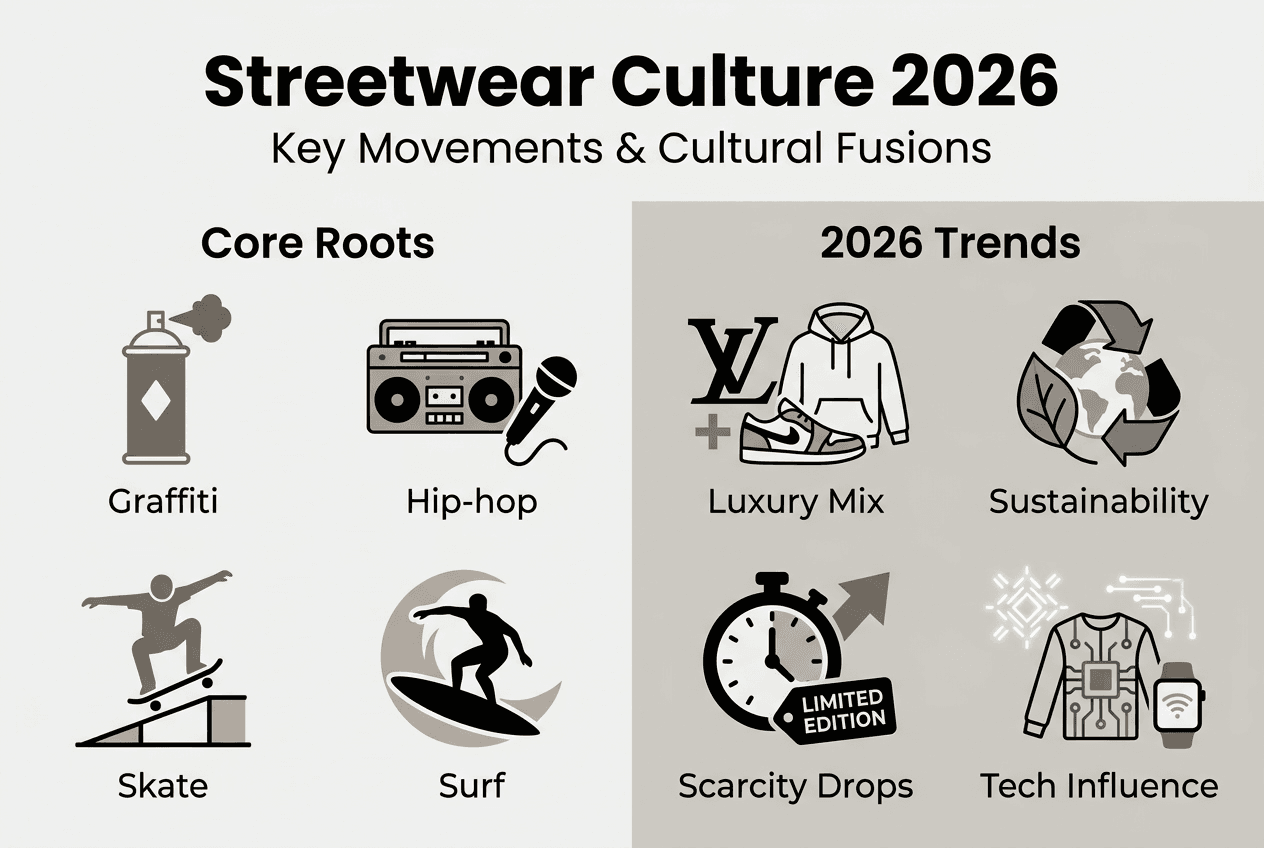
Streetwear didn’t emerge from design studios or fashion houses. It grew organically from urban subcultures that valued creativity, rebellion, and community. The convergence of graffiti art, hip-hop, skate, surf, and sports influences created something entirely new in fashion history. These movements shared common values: authenticity, self-expression, and resistance to mainstream culture.
Graffiti artists tagged walls and trains with bold graphics that later translated onto clothing. Hip-hop culture brought oversized silhouettes, athletic wear, and logo-heavy designs into everyday style. Skate culture contributed functional elements like durable fabrics, comfortable fits, and anti-establishment attitudes. Surf culture added laid-back aesthetics and beach-inspired graphics. Together, these influences formed a visual language that spoke to urban youth seeking identity outside traditional fashion norms.
Shawn Stussy pioneered this fusion in the early 1980s by applying his graffiti-style signature to surfboards and apparel. His approach tapped into existing subcultures while creating something fresh. Stussy understood that the role of culture in streetwear went beyond aesthetics. It represented belonging, values, and lifestyle choices.
Key elements from these founding cultures include:
- Bold graphics and logos derived from graffiti art’s visual impact
- Oversized fits and athletic wear influenced by hip-hop’s comfort-first approach
- Durable materials and functional designs borrowed from skate culture’s practical needs
- Relaxed silhouettes and beach-inspired motifs from surf communities
- Anti-establishment attitudes that challenged traditional fashion hierarchies
These cultural roots explain why streetwear resonates so powerfully with urban demographic fashion trends today. The movement wasn’t manufactured by marketers. It emerged authentically from communities expressing their identity through clothing. This organic origin story gives streetwear its credibility and staying power in 2026.
The role of scarcity marketing and rising desirability in streetwear
Streetweear brands transformed exclusivity into an art form. Shawn Stussy’s strategy of scarcity marketing by limiting product availability created unprecedented demand. This approach wasn’t just clever business. It aligned perfectly with streetwear’s cultural values of authenticity and insider status.
Scarcity marketing operates on simple psychology: people want what they can’t easily have. Limited product drops create urgency and competition among buyers. Fans camp outside stores, refresh websites at midnight, and pay premium resale prices for coveted pieces. This behavior mirrors the exclusivity that originally defined underground subcultures. You had to be in the know, part of the community, to access the goods.
The strategy builds brand loyalty in ways traditional retail cannot match. When customers successfully purchase a limited release, they feel like winners. They’ve joined an exclusive club. This emotional connection strengthens their relationship with the brand and motivates future purchases. The community aspect becomes self-reinforcing as collectors share their wins on social media, generating organic marketing that money can’t buy.
Modern streetwear brands have refined scarcity tactics:
- Surprise drops announced hours before release to prevent reseller bots
- Collaboration pieces produced in tiny quantities to maximize hype
- Regional exclusives that reward local communities and travel enthusiasts
- Lottery systems that democratize access while maintaining scarcity
- Seasonal capsules that refresh interest without oversaturating markets
Pro Tip: Follow your favorite streetwear brands on multiple platforms to catch drop announcements early. Set up notifications and join community forums where members share release information.
Interestingly, scarcity can support sustainable streetwear impact when brands produce thoughtfully. Limited runs reduce overproduction and waste. Customers buy fewer pieces they truly value rather than accumulating disposable fashion. The resale market extends product lifecycles as items change hands multiple times. This contrasts sharply with fast fashion’s wasteful model.
The scarcity approach also preserves the role of culture in streetwear by preventing mass-market dilution. When everyone can buy something, it loses its cultural signaling power. Limited availability maintains streetwear’s connection to insider communities and authentic participation. You can’t just buy your way in. You need knowledge, timing, and often luck.
The intersection of streetwear and luxury fashion
The boundary between street and luxury fashion collapsed in ways few predicted. As brands like Gucci, Prada, Ralph Lauren and Louis Vuitton began appearing in hip-hop music videos, cultural codes shifted dramatically. Hip-hop artists wore luxury brands with streetwear attitude, creating new style combinations that challenged fashion hierarchies.
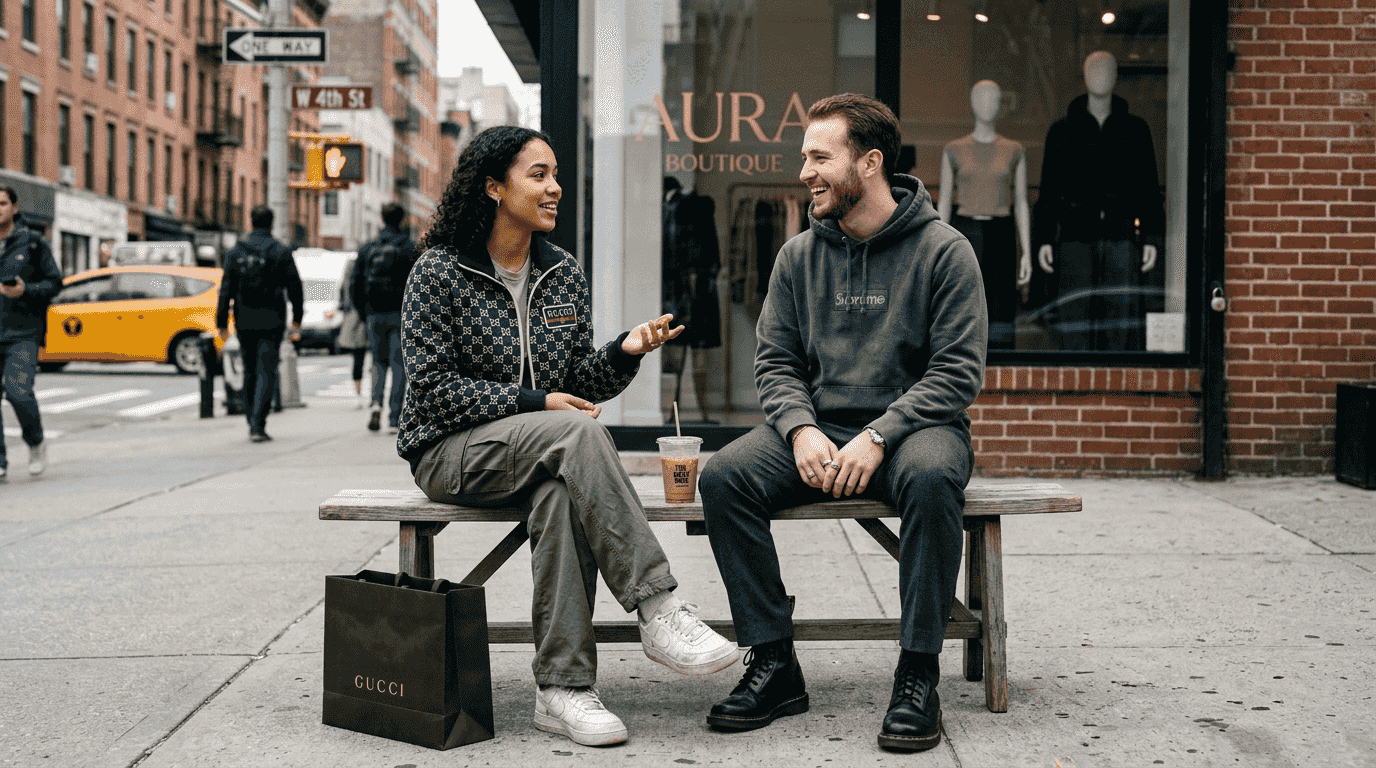
This cultural exchange flowed both directions. Luxury houses noticed streetwear’s energy, youth appeal, and cultural relevance. They recognized that younger consumers valued authenticity and cultural connection over traditional prestige markers. Pioneering partnerships, such as Stussy x Dior and Supreme x Louis Vuitton, proved that street credibility and luxury craftsmanship could coexist.
These collaborations transformed both industries. Streetwear brands gained access to luxury production techniques, premium materials, and global distribution networks. Luxury houses absorbed streetwear’s marketing savvy, cultural fluency, and connection to youth movements. The result elevated streetwear’s status while injecting fresh energy into traditional luxury.
| Aspect | Traditional Luxury | Streetwear Influence | | — | — | | Marketing | Exclusive campaigns, heritage storytelling | Drop culture, social media hype, scarcity tactics | | Design | Timeless elegance, seasonal collections | Bold graphics, cultural references, limited editions | | Audience | Wealthy traditionalists | Youth culture, urban communities, collectors | | Values | Craftsmanship, heritage, status | Authenticity, community, self-expression |
The fusion created new opportunities for creative expression. Designers could reference street culture while using luxury techniques. Consumers could mix high and low pieces to create personal style statements. This democratization challenged the notion that fashion flows only from elite designers to mass markets. Street culture now influences runway trends as much as haute couture shapes everyday style.
Pro Tip: Understanding streetwear vs high fashion differences helps you mix pieces effectively. Balance statement streetwear items with refined basics for versatile looks.
The intersection continues evolving in 2026. Luxury brands hire streetwear designers as creative directors. Streetwear founders launch premium lines. The categories blur so thoroughly that distinctions become less meaningful than individual brand identities and cultural authenticity. What matters now is whether a brand genuinely participates in culture or merely appropriates it for profit.
This evolution reflects broader changes in how we value fashion. Status symbols shifted from obvious luxury logos to insider knowledge and cultural fluency. Wearing the right limited-edition streetwear piece signals cultural participation more effectively than traditional luxury items. The streetwear trends 2026 show this cultural sophistication continuing to deepen.
Applying streetwear movements: self-expression and cultural impact today
Streetweear’s power lies in its ability to communicate identity instantly. Streetwear’s ability to adapt and evolve keeps it relevant across generations and geographies. The movement thrives because it remains rooted in authentic self-expression rather than dictated trends. Understanding how to engage with streetwear culture helps you participate authentically.
The principles that defined early streetwear movements still apply today:
- Prioritize authenticity over trend-chasing by choosing pieces that reflect your genuine interests and values.
- Research brand histories and cultural connections before purchasing to ensure you support authentic participants.
- Engage with communities through forums, events, and social media to deepen your cultural understanding.
- Mix pieces thoughtfully to create personal style rather than copying influencer looks exactly.
- Respect the cultural origins by learning about hip-hop, skate, and graffiti histories that shaped the movement.
- Support sustainable practices by buying quality pieces you’ll wear repeatedly instead of disposable trends.
Streetweear serves multiple functions simultaneously. It provides comfortable, functional clothing for daily wear. It signals cultural knowledge and community belonging. It allows creative expression through mixing brands, eras, and styles. This versatility explains its broad appeal across demographics and geographies.
The movement’s adaptability means it absorbs new influences constantly. Today’s streetwear incorporates elements from gaming culture, anime, tech wear, and global fashion traditions. This evolution keeps the category fresh while maintaining core values of authenticity and self-expression. You see this flexibility in how individuality in streetwear culture encourages personal interpretation rather than rigid rules.
Younger generations particularly embrace streetwear because it aligns with their values. They prioritize experiences and identity expression over traditional status symbols. They value brands that demonstrate cultural awareness and social responsibility. They expect fashion to reflect their diverse interests and communities. Streetwear delivers on these expectations better than most fashion categories.
The cultural impact extends beyond clothing. Streetwear influences music, art, design, and lifestyle choices. It shapes how brands communicate with younger audiences. It demonstrates that grassroots movements can compete with established industries. Understanding how trends shape youth style streetwear 2026 reveals broader cultural shifts in values, communication, and identity formation.
Explore high-performance streetwear essentials at ELEDOasis
Now that you understand streetwear’s cultural foundations and evolution, you can build a wardrobe that reflects these principles. ELEDOasis offers apparel that combines streetwear’s bold aesthetics with performance functionality. Our moisture-wicking athletic tees deliver comfort and style whether you’re hitting the gym or the streets.
Our collection includes men’s athletic shoes that blend sport performance with urban style sensibilities. Pair them with premium urban sweatpants for looks that honor streetwear’s athletic roots while meeting modern performance standards. Each piece supports self-expression through thoughtful design that respects streetwear culture’s authentic origins.
Frequently asked questions
What defines a streetwear movement?
A streetwear movement represents fashion emerging from urban subcultures rather than traditional design houses. It merges clothing with music, art, and lifestyle to express cultural identity and community belonging. Streetwear values authenticity, self-expression, and insider knowledge over mainstream fashion trends.
How did luxury brands influence streetwear?
Luxury brands elevated streetwear’s status through high-profile collaborations like Supreme x Louis Vuitton and Stussy x Dior. These partnerships brought premium materials and global distribution to street brands while injecting youth culture energy into luxury fashion. The exchange blurred traditional boundaries and created new creative possibilities that benefit both categories. Understanding streetwear vs high fashion differences helps you appreciate how these collaborations work.
Why is scarcity important in streetwear?
Scarcity creates exclusivity that aligns with streetwear’s cultural values of insider status and authenticity. Limited releases generate community excitement, increase perceived value, and build collector culture around brands. This approach can support sustainable streetwear practices by reducing overproduction and encouraging thoughtful purchases.
How can you participate in streetwear culture authentically?
Focus on understanding cultural origins and choosing pieces that genuinely reflect your interests and values. Research brand histories, engage with communities, and respect the hip-hop, skate, and graffiti roots that shaped the movement. Support brands demonstrating cultural awareness rather than appropriation. Developing individuality in streetwear culture means creating personal style rather than copying trends exactly.
Recommended
- Streetwear Trends 2026: Bold Identity, Smart Style – ELEDOasis
- Step by Step Streetwear Trends 2026 Guide for Creatives – ELEDOasis
- Streetwear Culture Definition: Self-Expression Through Style – ELEDOasis
- How trends shape youth style and streetwear in 2026 – ELEDOasis
- Custom Poster Trends 2025: Personalization, Tech, and Style
- Garment-dyed Sweatshirt – Z’s Coffee