Ways to personalize streetwear in 2026 for unique style
Standing out in a sea of mass-produced streetwear feels impossible when everyone shops the same stores. You want your fits to scream individuality, but choosing between embroidery, patches, painting, or techwear mods gets overwhelming. This guide breaks down selection factors like cost, durability, and creativity so you can personalize streetwear that actually reflects your story and style in 2026.
Table of Contents
- How To Choose Personalization Techniques: Key Factors To Consider
- Popular Streetwear Personalization Techniques
- Trending Streetwear Personalization Styles In 2026
- Integrating Personal Narrative Into Your Streetwear
- Comparison Of Personalization Methods: Pros And Cons
- Situational Recommendations: Choosing The Right Personalization For You
- Explore ELEDOasis Gear To Enhance Your Personalized Streetwear
- FAQ
Key takeaways
| Point | Details |
|---|---|
| Selection criteria matter | Balance cost, creativity, durability, accessibility, and sustainability when choosing personalization methods. |
| Top techniques include embroidery and patches | These offer varying levels of skill requirements, budgets, and creative control for 2026. |
| Trends emphasize nostalgia and tech | Y2K aesthetics, techwear elements, and eco-conscious designs dominate personalized streetwear this year. |
| Personal narrative adds depth | Cultural identity and storytelling transform basic customization into meaningful self-expression. |
| Match methods to your situation | Budget-conscious creators start with patches while tech enthusiasts explore LED accents. |
How to choose personalization techniques: key factors to consider
Picking the right personalization method starts with understanding what matters most for your creative vision and lifestyle. Accessibility determines whether you can learn a technique yourself or need professional help. Budget shapes your options from $20 DIY projects to $500 custom pieces. Durability ensures your work survives regular wear and washing cycles.
Creative control influences how much your personality shines through. Hand-painted designs offer maximum freedom while limited-edition purchases provide instant uniqueness with zero effort. Sustainability and ethical factors guide eco-conscious creators toward upcycling and natural dyes instead of fast fashion add-ons.
Consider these factors when evaluating any personalization approach:
- Time investment ranges from 30-minute patch application to multi-day embroidery projects
- Skill requirements vary from beginner-friendly fabric markers to advanced sewing techniques
- Maintenance needs affect long-term wearability and care routines
- Cultural significance can elevate simple customization into meaningful expression
- Trend longevity determines whether your personalized piece stays relevant beyond one season
Pro Tip: Start with one accessible technique like patches or fabric paint before investing in expensive tools or professional services. Master the basics, then layer more complex methods as your skills grow.
Understanding these criteria helps you personalize streetwear essentials strategically rather than jumping on every trend. Your choices should align with both your creative goals and practical constraints.
Popular streetwear personalization techniques
DIY customization grew by 30% in early 2026 as young adults sought authentic self-expression. Each method offers distinct advantages depending on your priorities.
Embroidery delivers professional results with exceptional durability. Thread withstands countless wash cycles without fading. The downside? Learning proper stitching takes practice and quality machines cost $200 or more. Hand embroidery works for small designs but demands patience.
Patches provide the fastest route to personalized style. Iron-on versions take minutes to apply and removable patches let you switch looks daily. Durability sits in the middle, adequate for casual wear but prone to peeling with heavy use. Budget-friendly at $5 to $30 per patch.
Fabric painting unleashes creative potential with minimal equipment. Acrylic paints, stencils, and brushes cost under $50 total. You control every detail from color gradients to intricate patterns. Painted designs need heat-setting and gentle washing to prevent cracking over time. Expect 3 to 8 hours per complex piece.
Distressing and upcycling transform thrifted finds into one-of-a-kind statements. Scissors, sandpaper, and bleach create worn aesthetics that tap into nostalgia. This technique champions sustainability by giving old garments new life. Zero cost if you raid your closet, though results vary based on fabric quality.
Techwear customization includes functional upgrades like reflective tape, utility pockets, and LED patches. These elements merge form with function, perfect for the streetwear trends 2026 futuristic direction. LED modules run $15 to $60 and require basic electronics knowledge.
- Chain embellishments add industrial edge with minimal sewing
- Screen printing produces uniform graphics but needs specialty equipment
- Bleach dyeing creates unpredictable patterns for experimental styles
- Laser cutting offers precision details if you access maker spaces
Each technique serves different creative personalities and practical needs. Mix methods for maximum impact.
Trending streetwear personalization styles in 2026
Current aesthetics blend nostalgia with forward-thinking innovation. Y2K and retro influences dominate personalized pieces through butterfly motifs, metallic accents, and early 2000s typography. Vintage band tees get custom distressing to amplify authenticity.
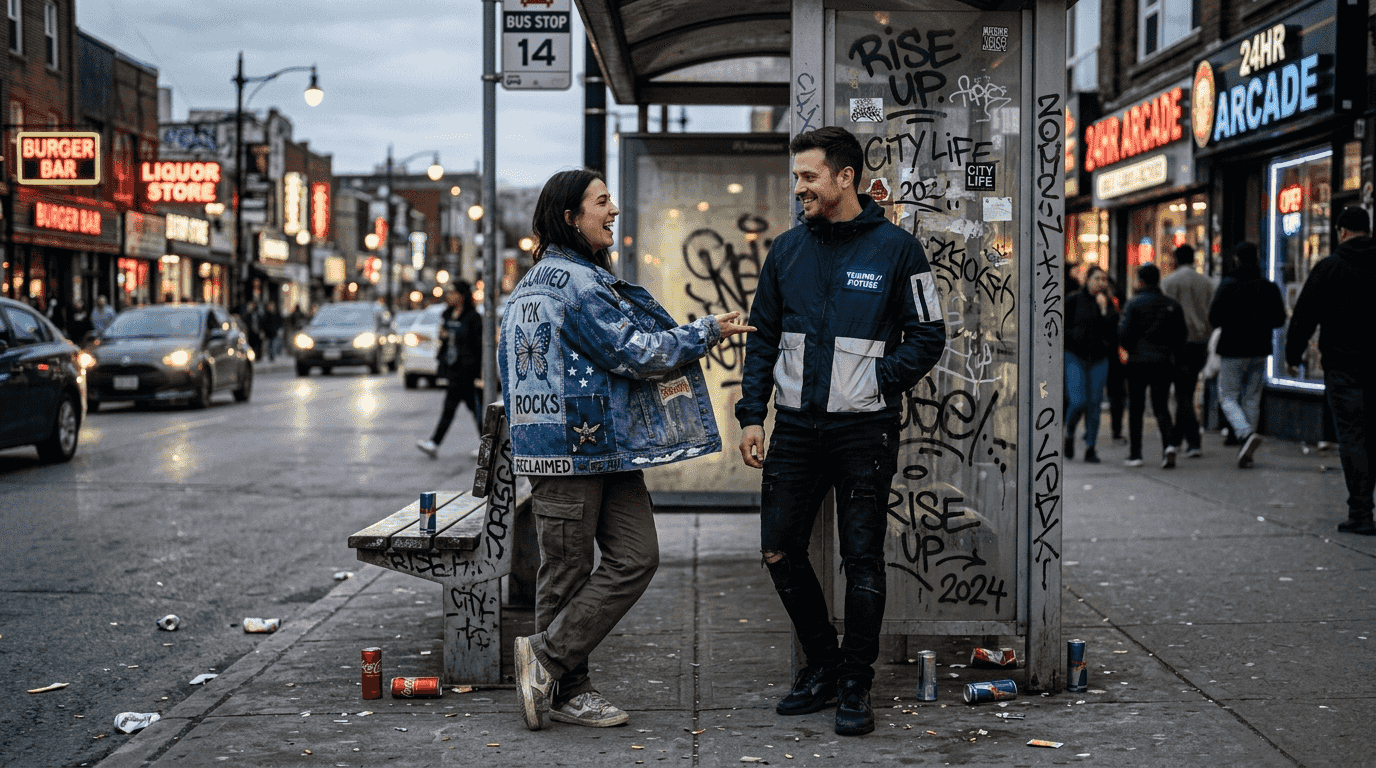
Techwear-inspired personalization featuring LED patches grows rapidly this year. Waterproof fabrics meet glow-in-the-dark embroidery for cyberpunk vibes. Reflective strips boost visibility while making bold visual statements under streetlights. This aesthetic pairs function with head-turning style.
Sustainability drives massive adoption of upcycling and eco-materials. Creators transform old denim into patchwork jackets or bleach-dye faded hoodies into gallery-worthy art. Natural fiber choices and low-impact dyes reflect environmental values without sacrificing edge. Check out sustainable streetwear practices gaining traction.
Statement patches and graphic tees emphasize bold messages in 2026. Political slogans, philosophical quotes, and personal mantras turn clothing into walking manifestos. Custom text embroidery lets you literally wear your beliefs. Oversized graphics command attention in crowded spaces.
Gender-fluid and culturally diverse elements foster inclusivity through personalization. Traditional patterns from various heritages appear on contemporary silhouettes. Androgynous cuts receive custom touches that transcend binary fashion rules. This movement celebrates individual identity over prescriptive trends.
- Graffiti-inspired hand-painted designs bring street art to wearable canvases
- Patchwork mixing fabrics and textures creates visual chaos that somehow works
- Minimalist embroidery offers subtle personalization for understated tastes
- Collage techniques layer photos and text for storytelling through garments
These streetwear trends 2026 styles overlap and intersect. Your personalized pieces can incorporate multiple aesthetics simultaneously.
Integrating personal narrative into your streetwear
Authentic self-expression goes deeper than surface-level customization. Your life experiences, cultural background, and values create stories worth wearing. 70% of successful streetwear brands use design to communicate lifestyle beyond mere visuals.
Personal and cultural stories add emotional weight to designs. Embroidering your grandmother’s favorite flower honors heritage. Painting symbols from your hometown creates instant conversation starters. These meaningful touches separate thoughtful personalization from random decoration.
Building a personal brand through streetwear creates recognition and loyalty within your community. Consistent visual themes across multiple pieces establish your signature aesthetic. Others start recognizing your style before they see your face. This identity building extends beyond fashion into lifestyle expression.
Customized fashion pieces carry powerful symbolism when intentionally designed. A phoenix rising from flames represents overcoming challenges. Geometric patterns might reflect your mathematical mind. Abstract colors could mirror your synesthesia experiences. Every element tells part of your story.
Wearing your narrative enhances psychological confidence through authentic presentation. You stop hiding behind mass-market conformity and claim space as yourself. This mental shift radiates outward, affecting how you move through the world. Explore storytelling in fashion for deeper techniques.
Digital tools aid planning storytelling-based personalization before you commit. Apps like Procreate let you sketch designs on photos of your garments. Mood boards organize themes, colors, and symbolic elements. Planning prevents costly mistakes and ensures coherent narratives.
- Document your design inspiration in journals or digital folders
- Research cultural symbols thoroughly to avoid appropriation
- Collaborate with artists who share your background for authentic representation
- Layer multiple personal elements rather than focusing on one story
Your role as culture bearer in streetwear matters. Personalization becomes activism when it challenges homogeneous fashion norms. Understanding individuality in streetwear culture empowers meaningful choices.
Pro Tip: Create a “personal symbol library” with 5 to 10 images, colors, or patterns that represent different aspects of your identity. Reference this library whenever customizing new pieces for visual consistency.
Comparison of personalization methods: pros and cons
DIY methods range $20 to $100 while premium custom pieces hit $150 to $500 or more. Here’s how popular techniques stack up across key factors:
| Method | Cost | Durability | Creativity | Time Required | Skill Level |
|---|---|---|---|---|---|
| Patch Application | $ | Medium | Medium | 30 min to 2 hours | Beginner |
| Embroidery | $$ | High | High | 4 to 20 hours | Intermediate |
| Fabric Painting | $ | Medium | Very High | 3 to 8 hours | Beginner |
| Distressing | $ | Medium | Medium | 1 to 3 hours | Beginner |
| Techwear LED | $$$ | Medium | High | 2 to 5 hours | Intermediate |
| Premium Custom | $$$$ | High | Medium | Instant | None |
Patch application wins for speed and accessibility. Iron-on patches require only a household iron and patience. Sew-on versions demand basic stitching skills but last longer. Moderate durability means patches may peel after 20 to 30 washes with heavy use.
Embroidery justifies higher costs through professional appearance and longevity. Machine embroidery produces consistent results but limits spontaneity. Hand embroidery offers complete creative control at the expense of hours invested. Thread rarely fades or damages.
Fabric painting maximizes creative expression for minimal investment. You control every brushstroke and color blend. Time-consuming execution and moderate durability require protective care. Heat-setting improves paint adhesion significantly.
Premium limited editions deliver instant uniqueness without effort. Designer collaborations and small-batch releases cost more but guarantee nobody else wears your exact piece. Zero creative input means less personal connection.
Consider maintenance when choosing methods:
- Patches need occasional re-ironing or re-stitching at stress points
- Embroidery survives harsh washing but thread can snag on rough surfaces
- Painted garments require inside-out cold washing and air-drying
- LED components must be removed before washing electronics
- Distressed pieces continue evolving with wear, sometimes unintentionally
Longevity varies by technique quality and garment care. Proper maintenance extends any personalization’s lifespan significantly. Revisit the personalize streetwear essentials guide for care tips.
Situational recommendations: choosing the right personalization for you
Survey data identifies DIY patchwork for budget shoppers, LED embellishments for tech enthusiasts, and limited embroidery for statement-makers. Match these scenarios to your situation:
-
Budget-conscious creators: Start with iron-on patches from discount craft stores and fabric paint from art supply clearance sections. Thrift white tees or plain hoodies as blank canvases. Master basic techniques before investing in premium materials. Total startup under $40.
-
Tech-savvy innovators: Explore LED strip integration, EL wire accents, and programmable RGB modules. Combine reflective tape with glow elements for maximum night visibility. Join maker communities for equipment access and technical guidance. Budget $100 to $200 for quality electronics.
-
Statement-makers seeking instant impact: Invest in custom embroidery services or limited-edition designer collaborations. Commission local artists for hand-painted one-of-ones. Premium route costs more but delivers gallery-quality results immediately. Expect $200 to $600 per piece.
-
Eco-conscious upcyclers: Raid thrift stores for distressing and reconstruction projects. Use natural dyes from kitchen ingredients like turmeric or avocado pits. Transform damaged garments into patchwork masterpieces. Environmental impact near zero, costs minimal.
-
Cultural storytellers: Research heritage textiles, traditional embroidery patterns, and symbolic motifs from your background. Collaborate with artisans who specialize in cultural techniques. Blend traditional elements with contemporary streetwear silhouettes. Budget varies based on complexity.
-
Skill-building experimenters: Try multiple techniques on single garments for layered personalization. Combine painted backgrounds with embroidered details and patch accents. Document your process for portfolio building or social media content. Investment grows gradually as skills improve.
Combining methods creates depth and visual interest. A painted backdrop provides canvas for embroidered focal points. Patches add pops of color to distressed denim. Layering techniques distinguished advanced personalization from beginner work.
Your choice ultimately depends on authentic self-expression goals rather than trend-chasing. The best personalization method reflects your actual interests, available time, and creative vision. Start small, experiment fearlessly, and refine your approach through practice.
Revisit the personalize streetwear essentials guide as your skills evolve for advanced techniques.
Explore ELEDOasis gear to enhance your personalized streetwear
Your customization deserves quality base pieces that showcase your creativity. ELEDOasis offers versatile essentials perfect for personalization projects. The performance and workout tee provides a clean canvas for fabric paint or embroidery with moisture-wicking durability.
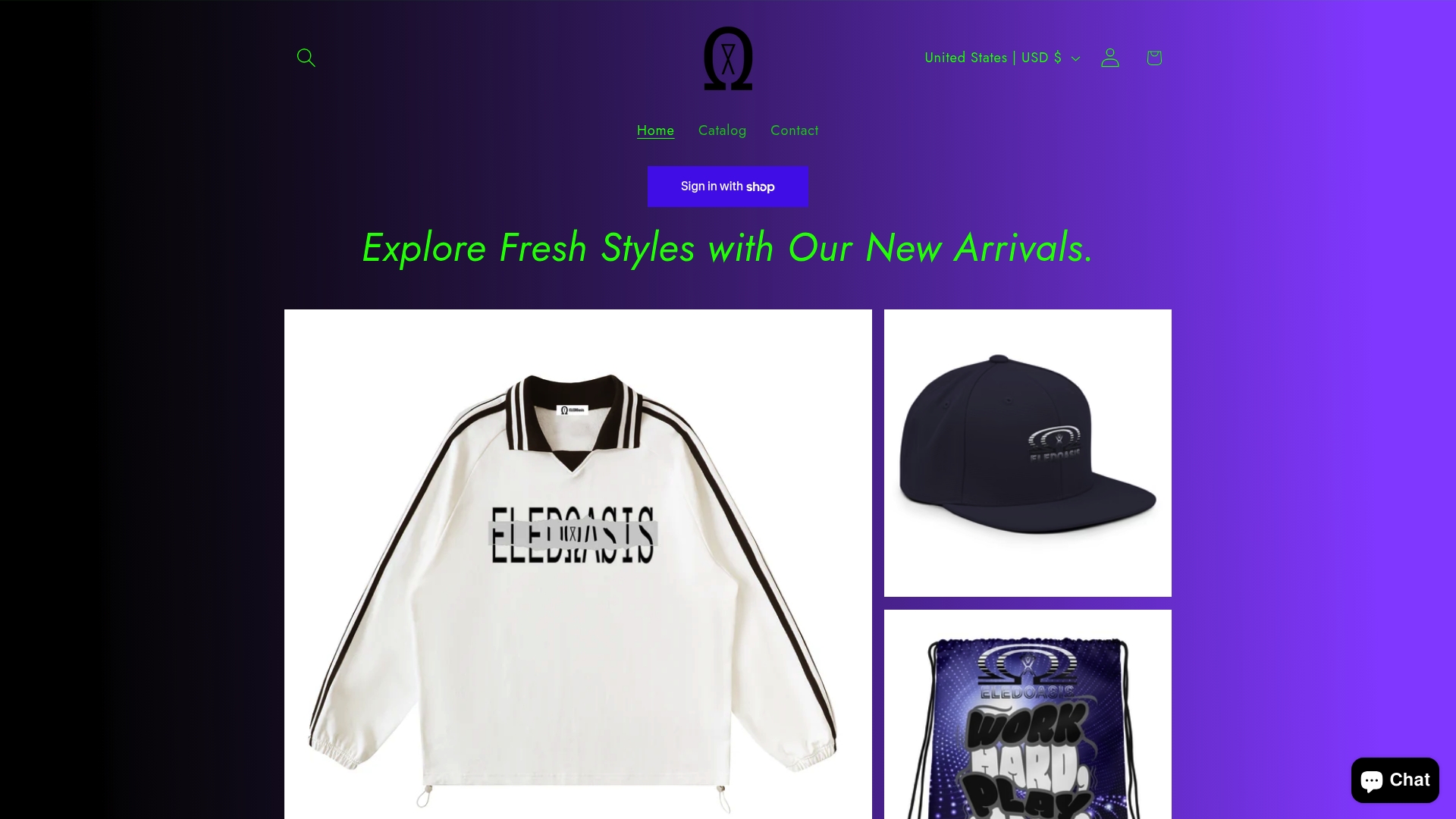
Layer personalized pieces over urban sweatpants that balance comfort with street-ready style. These premium basics complement bold customization without competing visually. Complete your look with the utility crossbody bag for functional storage that matches techwear aesthetics.
Each product supports your unique vision while maintaining the quality necessary for long-lasting personalization. Start building your customized wardrobe with pieces designed for creative expression.
FAQ
What are the easiest streetwear personalization methods for beginners?
Patches and fabric painting require minimal tools and skills, making them ideal starting points. Iron-on patches take minutes to apply with a household iron. Fabric paint costs under $20 and lets you experiment freely on thrifted pieces before customizing expensive garments.
How can I incorporate my cultural heritage into personalized streetwear?
Use symbols, colors, and motifs meaningful to your heritage in embroidery or painted designs. Research traditional textile patterns from your background and adapt them to contemporary silhouettes. Explore how culture shapes streetwear for deeper integration techniques that honor your roots authentically.
What trends in streetwear personalization should I watch for in 2026?
Techwear elements like LED accents and reflective materials gain popularity for functional style. Sustainability drives upcycling and eco-friendly material choices among conscious creators. Retro nostalgia continues inspiring Y2K aesthetics and vintage-inspired distressing. Check streetwear trends 2026 for emerging movements.
How do I maintain and care for personalized streetwear?
Follow care instructions matching your specific personalization technique to preserve quality. Wash embroidered and painted pieces inside-out in cold water, then air-dry to prevent damage. Remove electronic components like LED patches before laundering. Store customized garments flat or on padded hangers to avoid stress on embellishments.