Why authenticity matters in fashion for streetwear culture
Streetwear has become the dominant language of self-expression for young adults, with over 70% of Gen Z identifying with streetwear as a declaration of individuality and authenticity. This isn’t just about looking good. It’s about communicating who you are, what you believe, and where you belong in a world that constantly demands conformity. Authenticity in fashion transforms clothing from mere fabric into a powerful tool for identity building, cultural connection, and community formation. This article explores why authenticity matters deeply in streetwear culture, how it drives value and community, the threats posed by counterfeits, and practical ways you can embrace authentic style that truly represents you.
Table of Contents
- Understanding Authenticity In Streetwear Culture
- Why Authenticity Drives Value And Community In Fashion
- The Impact Of Counterfeits And The Evolving Streetwear Landscape
- How To Embrace And Express Authenticity Through Fashion Choices
- Explore Authentic Streetwear Essentials At ELEDOasis
- Frequently Asked Questions
Key takeaways
| Point | Details |
|---|---|
| Authenticity drives identity | Streetwear rooted in counter-cultural movements lets you express personal values and reject mainstream trends |
| Limited editions create value | Scarcity and cultural narratives make authentic pieces more desirable and community-driven |
| Counterfeits damage trust | Fake products dilute brand prestige and undermine the exclusivity that makes streetwear meaningful |
| Sustainability enhances authenticity | Ethical production and transparency build long-term brand credibility and consumer loyalty |
| Collaborations refresh culture | Artist partnerships bring unique perspectives that deepen authentic connections to streetwear roots |
Understanding authenticity in streetwear culture
Authenticity in streetwear isn’t a marketing buzzword. It’s the foundation of the entire culture. Streetwear emerged from counter-cultural movements like skateboarding, hip-hop, and DIY aesthetics that deliberately rejected mainstream fashion norms. These origins matter because they established streetwear as more than style. It became a visual language for rebellion, creativity, and community.
When you wear authentic streetwear, you’re connecting to these cultural roots. You’re signaling that you understand the difference between genuine expression and hollow trend-chasing. This connection runs deep. Research shows 85% of subculture participants report that clothing choices directly reflect their personal values. Your outfit becomes a statement about what you stand for.
Young adults gravitate toward streetwear because it offers something traditional fashion can’t: a way to narrate your own story. Every piece you choose communicates part of your identity. Are you aligned with sustainability? Do you value artistic collaboration? Are you part of a specific community or movement? Your clothing answers these questions before you say a word.
Consider how individuality in streetwear culture manifests through deliberate choices that resist conformity. You’re not following a prescribed dress code. You’re curating a personal aesthetic that blends influences, honors heritage, and projects authenticity. This is why streetwear feels so different from luxury fashion or fast fashion. It demands genuine engagement with culture, not passive consumption.
“Streetwear is the only fashion movement where cultural credibility matters more than price tags or brand prestige.”
The psychological connection between clothing and identity explains why authenticity matters so much. When you invest in pieces with genuine cultural connections, you’re building a wardrobe that actually represents you. You’re participating in the role culture plays in streetwear rather than just observing from the sidelines. This active participation creates meaning that transcends fashion.
Authenticity also functions as a filter against commercialization. As mainstream brands attempt to capitalize on streetwear’s popularity, the community uses authenticity as a litmus test. Does this brand understand the culture? Did they earn their credibility? Or are they exploiting aesthetics without respecting origins? These questions matter because they protect streetwear’s integrity and ensure it remains a space for genuine expression rather than corporate appropriation.
Why authenticity drives value and community in fashion
Authenticity directly impacts how you perceive value in streetwear. Limited-edition releases create scarcity, but the emotional attachment goes deeper than simple supply and demand. When a brand drops a collaboration with cultural significance, you’re not just buying a product. You’re acquiring a piece of a larger narrative. This explains why resale markets for limited-edition items have increased 300% over five years.
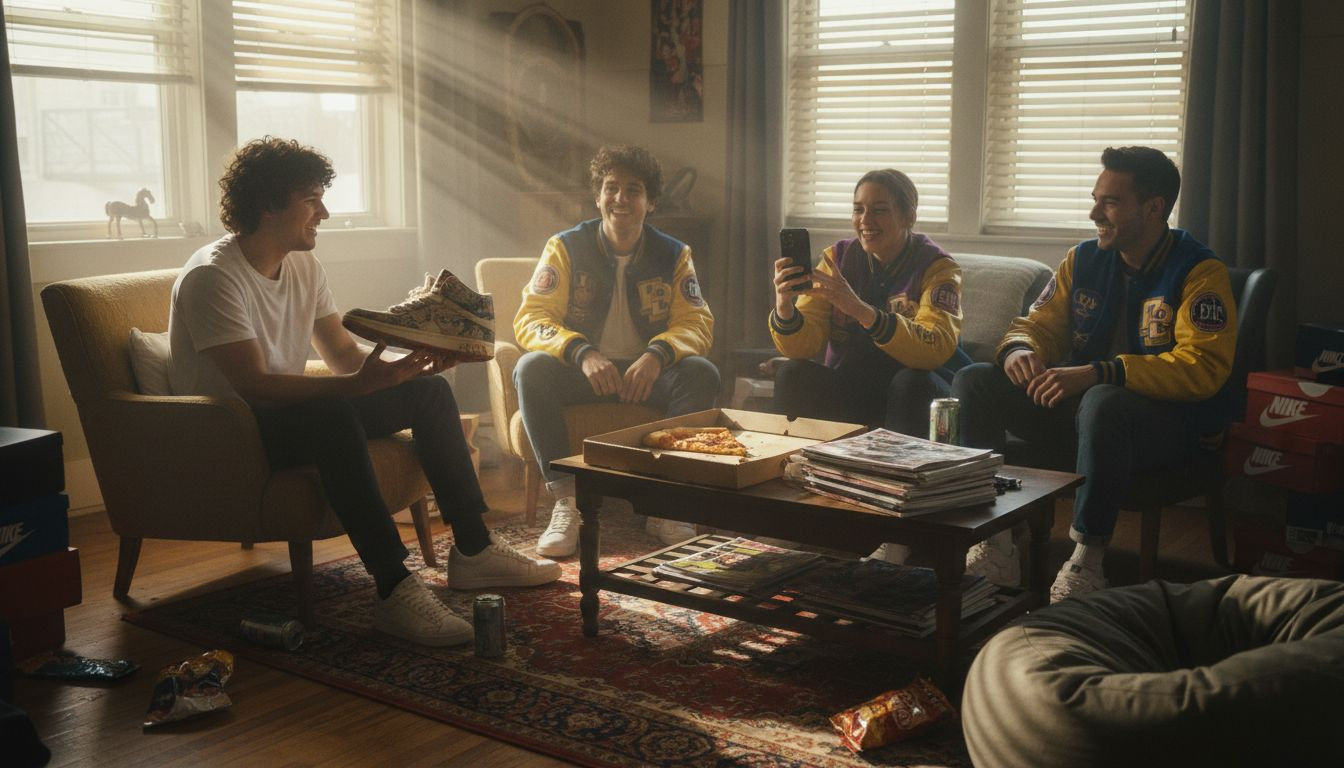
The value equation in authentic streetwear looks completely different from traditional fashion. Price matters less than provenance. A $200 hoodie from a brand with genuine cultural roots holds more value than a $2,000 designer piece that simply borrowed streetwear aesthetics. You recognize this instinctively because you understand the difference between appropriation and authentic creation.
Brands with genuine cultural connections resonate more deeply with consumers seeking authenticity. These brands don’t just sell clothes. They build movements. They create spaces for community formation. They honor the cultural origins that gave streetwear its power. This cultural capital translates into loyalty that transcends typical brand-consumer relationships.
Community forms naturally around shared values and insider knowledge in streetwear culture. When you spot someone wearing a rare collaboration or a piece from an underground brand, you recognize a kindred spirit. This recognition builds bonds that extend beyond fashion into genuine connection. The community becomes self-reinforcing as members share knowledge, celebrate authentic releases, and collectively reject inauthentic attempts to commercialize the culture.
Key factors that enhance authentic value in streetwear:
- Limited production runs that create genuine scarcity rather than artificial hype
- Transparent storytelling about design inspiration and cultural influences
- Collaborations with artists and creators who bring legitimate cultural credibility
- Heritage and history that connects current pieces to streetwear’s counter-cultural roots
- Community engagement that treats consumers as participants rather than passive buyers
| Value Driver | Authentic Approach | Impact on Community |
|---|---|---|
| Limited editions | Small runs based on genuine scarcity | Creates exclusivity and shared identity |
| Brand narrative | Rooted in cultural movements | Builds loyalty and emotional connection |
| Pricing strategy | Reflects quality and story | Signals values over status |
| Community access | Insider drops and early releases | Rewards engagement and knowledge |
The relationship between authenticity and community creates a positive feedback loop. As brands demonstrate authentic commitment to culture, communities form around them. These communities then become gatekeepers who validate or reject new entrants based on authenticity. This dynamic protects streetwear from becoming just another commercialized fashion category.
Pro Tip: Research a brand’s origins and cultural contributions before investing in expensive pieces. Authentic brands have documented histories of community engagement, not just recent marketing campaigns capitalizing on streetwear’s popularity.
Understanding self expression fashion benefits in streetwear helps you recognize why authentic pieces create lasting value. They don’t just follow trends. They contribute to ongoing cultural conversations. This is why certain pieces appreciate in value while others become irrelevant as soon as the hype cycle ends.
The intersection of art and streetwear demonstrates how authenticity elevates fashion into cultural expression. When artists collaborate with streetwear brands, they bring unique perspectives that deepen the connection between clothing and identity. These collaborations work because they honor both the artistic vision and the cultural context of streetwear.
The impact of counterfeits and the evolving streetwear landscape
Counterfeits pose an existential threat to authenticity in streetwear culture. Understanding the difference between dupes and fakes matters. Dupes are affordable alternatives inspired by popular styles. Fakes are deliberate replicas that deceive consumers and damage brand integrity. The distinction matters because one acknowledges influence while the other exploits it.
The rapid appearance of fakes after viral trends hurts brand trust and exclusivity. When authentic limited releases get immediately replicated, the scarcity that creates value disappears. Worse, counterfeits flood the market with inferior quality products that damage brand reputation even though the brand didn’t produce them. This creates a vicious cycle where authenticity becomes harder to verify and trust erodes.
The damage extends beyond individual brands to the entire community. When fakes become widespread, the cultural capital of owning authentic pieces diminishes. The insider knowledge that once connected community members becomes less valuable when anyone can fake the aesthetic. Counterfeit merchandise undermines the trust that holds streetwear communities together.
The streetwear landscape is evolving in response to these challenges. The market is moving away from hype toward authentic utility and value. This shift represents a maturation of the culture. Instead of chasing every viral release, consumers increasingly prioritize substance over status. They want pieces that offer genuine quality, thoughtful design, and cultural relevance.
How to recognize authenticity and avoid counterfeits:
- Examine stitching quality and material construction for consistency and craftsmanship
- Verify logo placement and details against official brand images and specifications
- Research seller reputation and only purchase from authorized retailers or verified resellers
- Be skeptical of prices significantly below retail for limited-edition or high-demand items
- Check for proper tags, packaging, and authentication materials that legitimate products include
- Join community forums where experienced collectors share knowledge about spotting fakes
| Authentic Streetwear | Counterfeit Products |
|---|---|
| Consistent quality materials and construction | Inferior materials with visible defects |
| Proper branding with accurate logo details | Misaligned or incorrect logo reproduction |
| Sold through authorized channels | Available from suspicious sellers at too-good prices |
| Includes authentication materials | Missing tags or documentation |
| Supports brand and cultural community | Undermines trust and brand integrity |
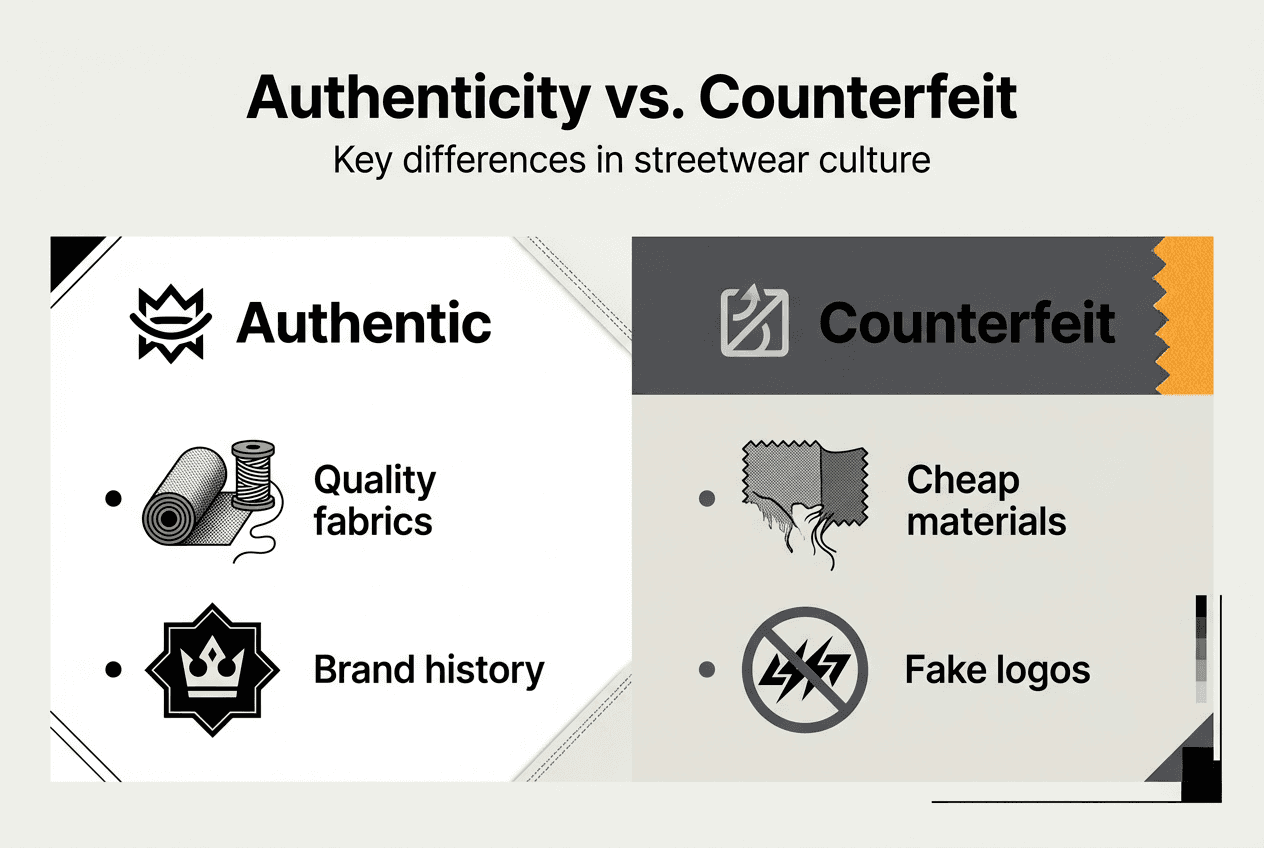
This evolution toward substance creates opportunities for brands committed to authenticity. As consumers become more discerning, they reward transparency and genuine cultural engagement. Sustainable streetwear represents one aspect of this shift, where environmental responsibility becomes part of authentic brand identity.
Pro Tip: Follow brands on social media and sign up for newsletters to learn about authentication features and official release details. This insider knowledge helps you spot fakes and connect with legitimate community members.
The decline of pure hype culture doesn’t mean streetwear is losing relevance. It means the culture is maturing and refining its values. Authenticity matters more than ever because it separates genuine cultural expression from commercial exploitation. This evolution benefits consumers who want clothing that represents real values rather than fleeting trends.
Understanding how personal branding in fashion intersects with authenticity helps you navigate this changing landscape. Your personal brand should reflect genuine interests and values, not just whatever’s trending on social media. This alignment between personal authenticity and fashion choices creates a coherent identity that resonates with others.
How to embrace and express authenticity through fashion choices
Building an authentic streetwear style requires intentionality and cultural awareness. Start by supporting brands transparent about sustainability and cultural roots. These brands demonstrate commitment beyond profit. They invest in communities, honor heritage, and create products designed for longevity rather than disposability. Research shows 68% of Gen Z consumers will pay more for sustainable and ethically produced clothing.
Invest in limited-edition or heritage pieces that tell meaningful stories. These items become conversation starters and identity markers. A vintage skateboard brand tee connects you to skateboarding’s rebellious origins. A collaboration between a streetwear brand and a graffiti artist honors hip-hop culture’s visual language. Each piece you choose should add a chapter to your personal narrative.
Practice discernment to avoid counterfeit influences and hype traps. Not every viral release deserves your attention or money. Ask yourself whether a piece aligns with your values and aesthetic or whether you’re just responding to manufactured scarcity. Authentic style comes from curation, not accumulation. Quality pieces that reflect genuine interests will always outperform a closet full of hyped items you don’t actually connect with.
Use fashion as a tool for storytelling and personal branding. Your outfit communicates before you speak. Make sure it’s telling your story accurately. Mix heritage pieces with contemporary designs. Combine high and low price points based on value rather than status. Create unexpected combinations that reflect your unique perspective rather than copying influencer aesthetics.
Practical strategies for authentic streetwear expression:
- Research brand histories and cultural contributions before making significant purchases
- Build relationships with local boutiques and independent retailers who curate authentic selections
- Participate in community events and pop-ups where you can connect with brand founders and fellow enthusiasts
- Invest in versatile core pieces that work across multiple outfits and contexts
- Support emerging designers and brands that bring fresh perspectives to streetwear culture
- Document your style evolution to understand what genuinely resonates with your identity
Collaborations between brands and artists enhance authenticity by adding unique perspectives. Collaborations with artists and designers create pieces that transcend typical product releases. They become cultural artifacts that represent specific moments in streetwear history. Seeking out these collaborations helps you build a collection with genuine cultural significance.
Pro Tip: Develop a personal style framework based on your values, interests, and cultural influences. This framework helps you make consistent choices that build a coherent aesthetic rather than chasing every trend.
Explore how fashion self expression workflows can help you develop a unique streetwear style that feels authentic to you. These systematic approaches to style development ensure your choices reflect genuine preferences rather than external pressures. The goal is creating a wardrobe that feels like an extension of your identity.
Remember that authenticity in fashion is an ongoing practice, not a destination. Your style will evolve as you grow and your interests shift. The key is maintaining alignment between your clothing choices and your values. When you prioritize authenticity over trends, you build a wardrobe that remains relevant regardless of what’s currently hyped. You create a personal aesthetic that genuinely represents who you are and what you believe.
Engaging with sustainable streetwear practices demonstrates commitment to long-term authenticity. Sustainability isn’t just an environmental concern. It’s a statement about valuing quality and longevity over disposable consumption. Supporting sustainable brands aligns your fashion choices with broader cultural values that prioritize responsibility and thoughtfulness.
Explore authentic streetwear essentials at ELEDOasis
Ready to build a wardrobe that reflects genuine streetwear values? ELEDOasis offers carefully curated pieces that blend athletic performance with street-ready aesthetics. Our performance and workout tee delivers moisture-wicking technology in designs that work from the gym to the street, embodying the utility-focused evolution of authentic streetwear.

Explore men’s athletic shoes that combine technical performance with bold visual statements. These pieces demonstrate how authentic streetwear merges function with cultural expression. Complete your look with practical accessories like our utility crossbody bag, designed for the realities of urban life while maintaining the aesthetic edge that defines streetwear culture. Every piece supports your journey toward authentic self-expression through fashion.
Frequently asked questions
What makes streetwear authentic?
Authentic streetwear connects to cultural origins in skateboarding, hip-hop, and counter-cultural movements rather than simply copying aesthetics. It demonstrates genuine engagement with these communities through transparent storytelling, ethical production, and respect for heritage. Authenticity means the brand or piece has earned cultural credibility through consistent values and community contribution, not just marketing campaigns.
How can I tell if a streetwear item is fake or authentic?
Examine stitching quality, material construction, and logo placement against official brand specifications. Be cautious of sellers offering viral trend items at suspiciously low prices or without proper authentication materials. Purchase from authorized retailers or verified resellers with strong reputations. Join community forums where experienced collectors share knowledge about specific brand authentication features and common counterfeit tells.
Why does sustainability affect authenticity in fashion?
Sustainable practices demonstrate long-term commitment to values beyond profit, building trust and brand authenticity. Consumers increasingly recognize that truly authentic brands consider environmental and social impacts, not just aesthetics. Sustainability aligns with streetwear’s counter-cultural roots by rejecting disposable consumption and prioritizing quality and responsibility. This connection between sustainability and authenticity reflects broader cultural shifts toward conscious consumption.
What role do collaborations play in authentic streetwear?
Collaborations between streetwear brands and artists or designers refresh brand narratives while maintaining cultural credibility. They enable unique artistic expressions that honor both the collaborator’s vision and streetwear’s cultural context. Successful collaborations create pieces that become cultural artifacts, representing specific moments in streetwear history. These partnerships work when both parties bring genuine cultural contributions rather than just leveraging each other’s audiences for commercial gain.